
US Troop Withdrawal Germany : The Western security system is experiencing a significant transformation. The United States has chosen to remove approximately 5,000 troops from Germany, a move that goes beyond ordinary military adjustments and underscores deeper political disagreements within the alliance.
For decades, Germany has served as the foundation of the American military presence in Europe. Any decrease here sends a powerful signal — not of departure, but of shifting expectations. Washington is no longer willing to bear the same responsibility in the absence of stronger friends.
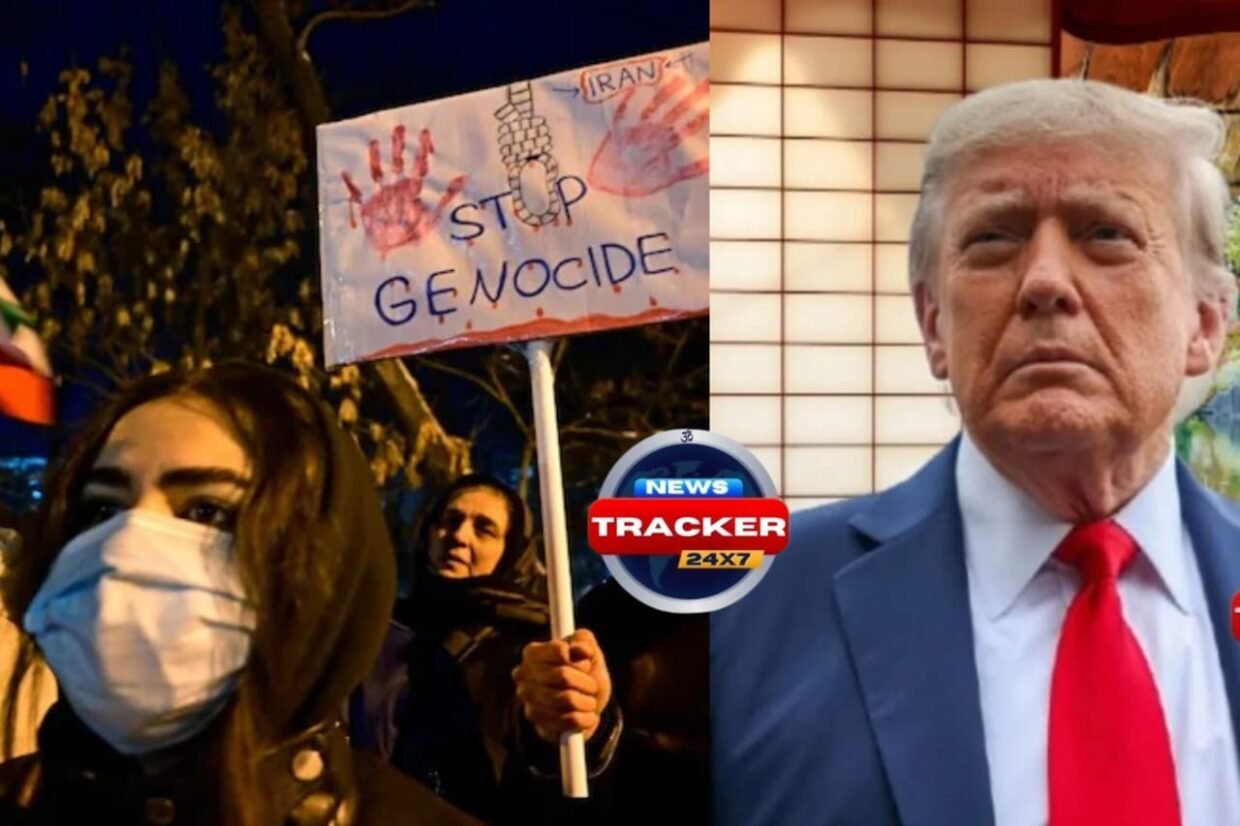
The timing of this decision is essential. Tensions between the United States and important European countries have risen, mainly due to the Iran crisis. Several European leaders have been hesitant to back Washington’s stance, resulting in an apparent policy divergence. This troop reduction is often interpreted as a response to the widening split.
NATO Future Under US Troop Withdrawal Germany Pressure and Strategic Reset
The immediate problem is NATO stability. Even though the United States will continue to station over 30,000 troops in Germany, this step has a tremendous symbolic consequence. It calls into question the long-held premise that American military commitment in Europe is permanent and unconditional.
However, this is not a collapse scenario. The United States remains NATO’s biggest military force, and its presence in Europe is still significant. What is changing is the hierarchy of responsibilities.
This could be a watershed moment in European history, particularly in Germany. There is growing pressure to increase defense budget, modernize military forces, and lessen reliance on external security guarantees. Simply put, Europe is being driven toward strategic independence faster than predicted.
The long-term impact is determined by how both sides respond. If managed carefully, this might result in a more balanced and resilient partnership. If mismanaged, it risks creating ambiguity that attackers may seek to exploit.
This decision may appear restricted on paper, but its message is clear: NATO’s future will be based on shared responsibilities rather than one dominant power.
- you join our whatsapp channel
- you join our tazatimesnews Telegram Channel
- you join our tazatimesnews truthsocial.com Channel
- Also reads : Trump Iran Blockade: US Naval Pressure Reshapes Global Oil Markets and Geopolitics