
US Iran ceasefire tension : A pause in warfare may not always imply peace. In the current US-Iran confrontation, the ceasefire appears to be a tactical break rather than a fundamental move. Washington’s reluctance to accept Tehran’s most recent proposal reveals a deeper issue: both parties are negotiating from different realities.
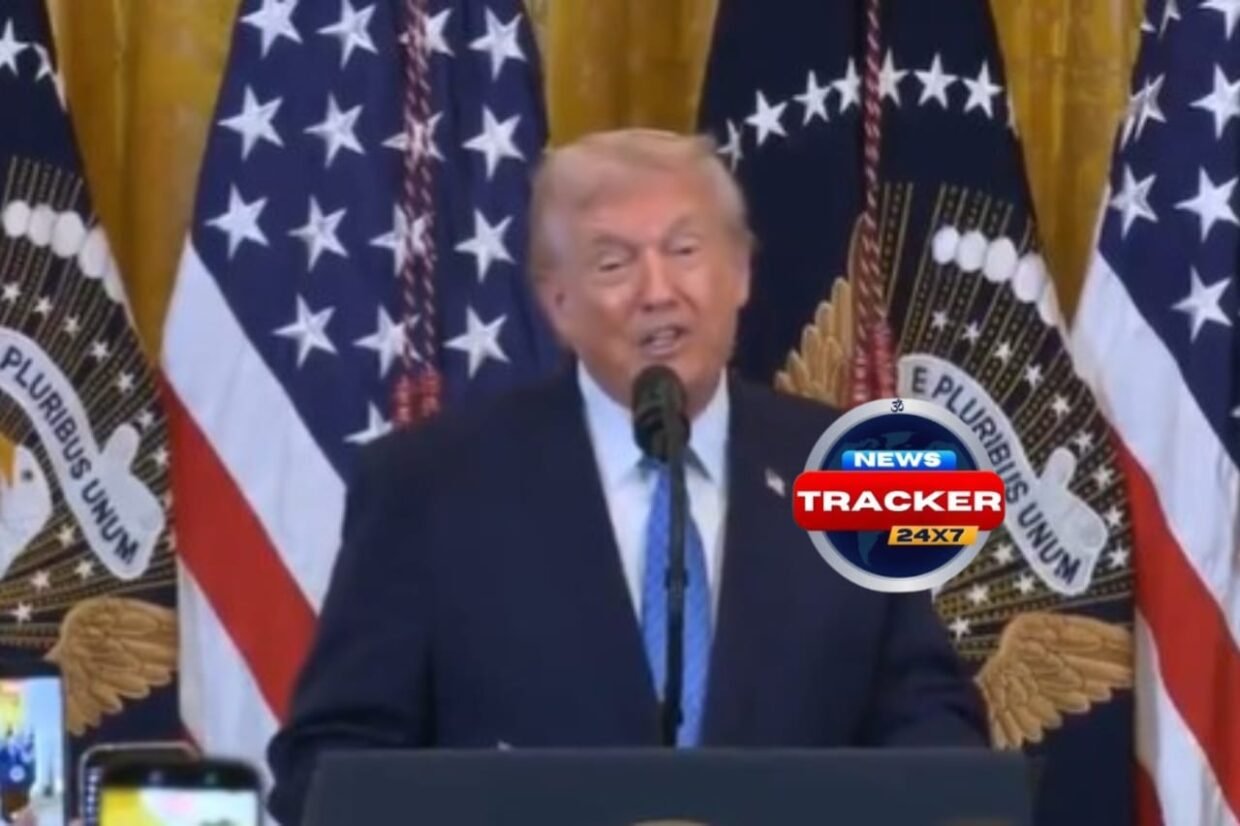
According to reports, Iran has presented a structured plan to cease hostilities, which includes sanctions relief and improvements to the Strait of Hormuz. However, US leadership is unconvinced, with clear indications that military options remain active.
The current situation is defined by the gap between diplomatic talk and military readiness.
Trump Iran plan skepticism signals deeper strategic conflict
The rejection tone is about more than just one proposal. It exemplifies a long-standing conflict over authority, trust, and leverage. The United States seeks guarantees connected to Iran’s nuclear and missile capabilities. Iran, on the other hand, is focused on economic survival and regional influence.
That is an important distinction.
When one party negotiates security while the other negotiates sanctions, alignment is practically impossible. This explains why even a detailed multi-point plan failed to gain traction.
More crucially, public pronouncements from Washington implying that Iran has “not paid enough price” support a pressure-first policy rather than a compromise-driven approach.
Middle East fragile calm hides oil and security risks
The ceasefire has a significant economic consequence in addition to a political one. The Strait of Hormuz remains essential to the situation, transporting a significant portion of world oil supply. Any disturbance, no matter how short, sends shockwaves across the energy markets.
Recent tensions have already driven oil prices higher, raising fears of supply disruption.
This fragile calm serves as a warning signal to countries that rely on Gulf oil routes, notably India. Stability in the region has a direct impact on gasoline costs, inflation, and trade flows.
Future outlook shaped by pressure, not trust
The next phase is expected to be based on strategic pressure rather than diplomacy. The US continues to express its willingness for additional strikes, but Iran retains both negotiating and retaliatory options.
This generates a cycle:
Temporary peace, followed by political messaging, leads to fresh tension.
Unless both sides turn from tactical negotiating to long-term compromise, the cease-fire may only serve as a temporary stop before escalation.
The larger worry extends beyond the battlefield. Repeated instability threatens normalizing crisis conditions in the Middle East, where markets respond faster than diplomats and peace becomes a temporary headline rather than a long-term outcome.
- Join our whatsapp channel for daily updates.
- Follow tazatimesnews Telegram Channel for latest news alerts.
- Follow TazaTimesNews on TruthSocial for exclusive updates
- Also reads : Lost Emirates ID UAE Panic or Easy Fix? UAE Guide Shows Fast Recovery Steps for Residents