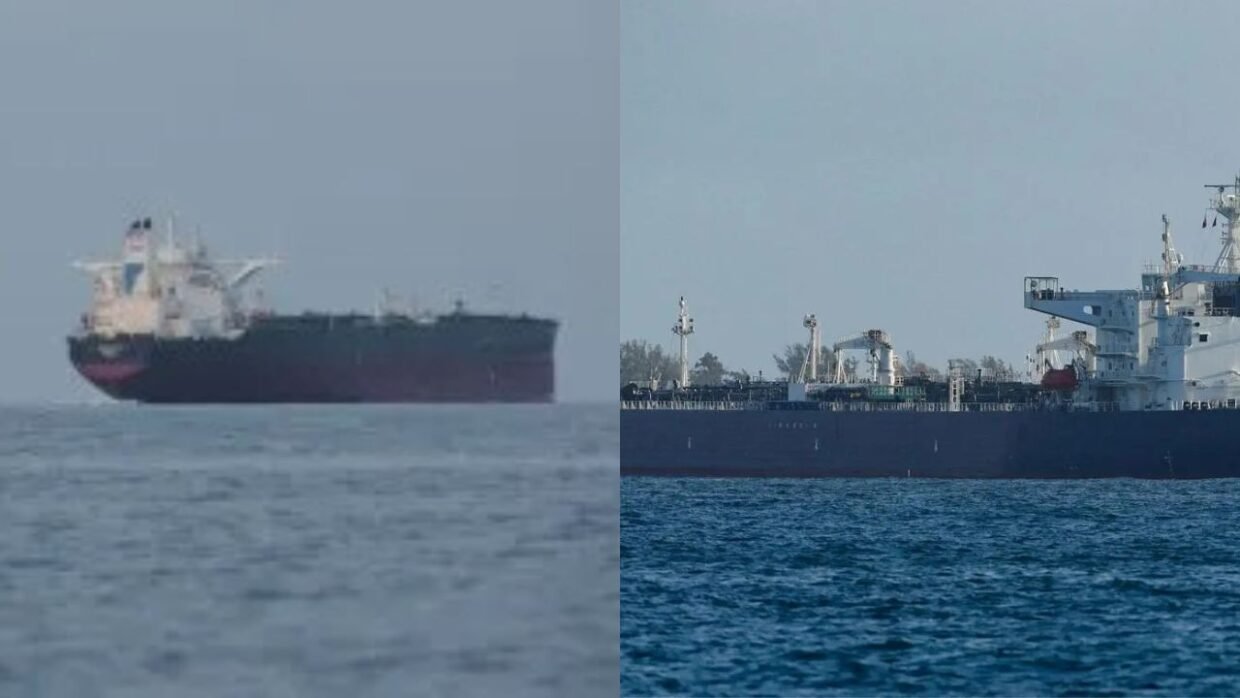

Trump Iran Blockade : President Donald Trump suggested a US naval blockade against Iran might last months, causing oil prices to rise to their highest level in more than four years, which remained unchanged Thursday.
Admiral Brad Cooper, the chief of US Central Command, is set to tell Trump on updated plans for potential military action in Iran on Thursday, according to two sources familiar with the matter.
Why Trump Iran Blockade Strategy Is About More Than Just Military Power
A prolonged US naval blockade of Iran is spreading far beyond the Middle East. What appears to be a tactical measure to put pressure on Tehran is swiftly becoming a worldwide economic and geopolitical crisis, with oil markets, alliances, and diplomatic channels all under strain.
President Donald Trump has suggested that the blockade may last for months. That single comment has already delivered a powerful signal to markets, and the reaction has been quick. Oil prices have risen to multi-year highs, reflecting concerns about persistent supply disruptions in one of the world’s most crucial energy corridors.
Oil shock: markets react before policy settles
Energy markets do not wait for choices; they react to expectations. The potential of a long-term blockade has narrowed global supply projections, particularly since millions of barrels of Iranian oil are virtually out of circulation.
The Strait of Hormuz, a narrow but crucial shipping route, transports around 20% of the world’s oil. Any disturbance there affects more than just Iran; it rattles confidence across global supply systems. Traders, refiners, and governments are prepared for a world in which volatility is the new normal.
Timing is what makes this scenario so sensitive. The global economy is already dealing with inflationary pressures, and growing energy costs could swiftly lead to higher prices for fuel, food, and transportation worldwide.
Blockade vs. bombing: a strategic shift
Instead of an immediate large-scale military response, Washington appears to be edging toward economic strangulation via naval control. A blockade is slower than direct strikes, but it frequently has a longer-lasting impact.
From a strategic sense, this approach enables the US to:
- Apply continuous pressure without triggering full-scale war
- Limit Iran’s oil revenue, a key economic lifeline
- Maintain flexibility in negotiations
However, this procedure is not without its hazards. A prolonged blockade can result in indirect reprisal, particularly along contested waterways or through regional allies.
Diplomacy stalls as global players step in
Efforts to restart negotiations between Washington and Tehran appear to have stalled. Attempts at negotiation have failed, and the uncertainty surrounding Iran’s internal power structure has hindered communication even more.
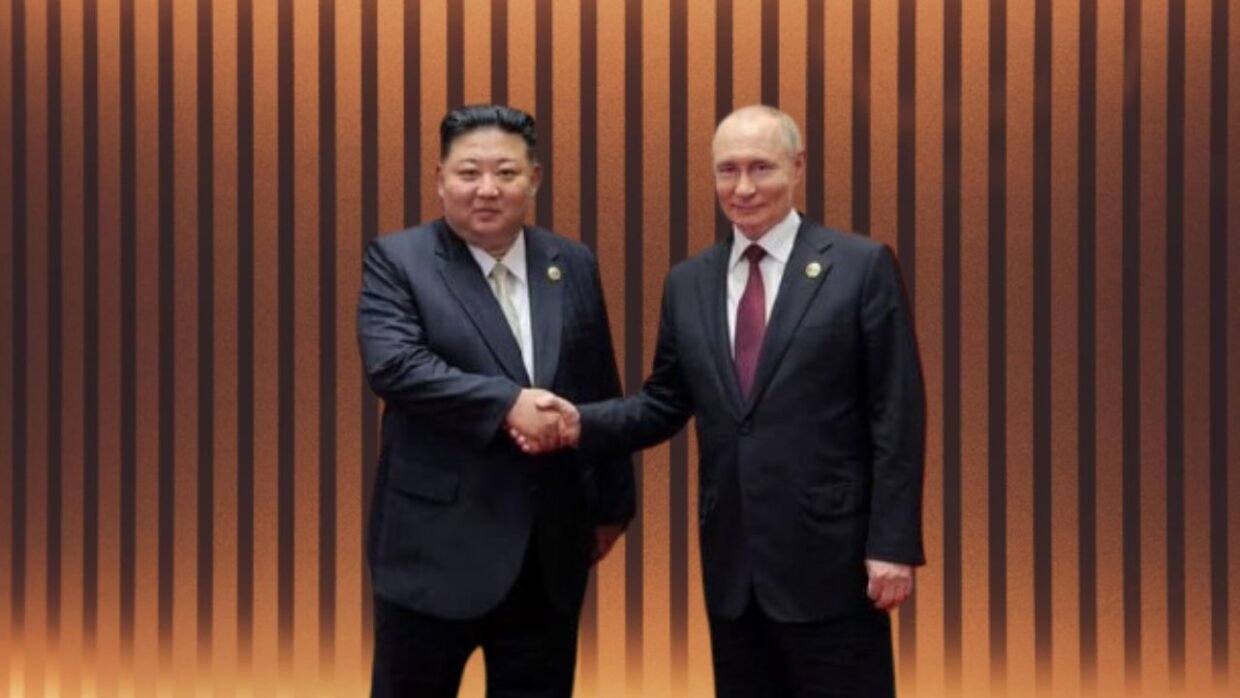
At the same time, other global actors are paying close attention. Russia, under by Vladimir Putin, has already warned about the far-reaching implications of escalation. Such warnings underline a growing concern: this is no simply a bilateral issue, but rather a multi-power geopolitical balancing act.
Economic pressure vs. political backlash
While the blockade may be effective in limiting Iran’s oil exports, it also adds pressure at home. Rising oil prices have a direct impact on American consumers, raising fuel expenses and driving inflation.
This has political ramifications. Even among Trump’s supporters, prolonged economic hardship could undermine popular support for forceful foreign policy initiatives.
At the same time, European allies are displaying symptoms of uneasiness. Disagreements with politicians such as Friedrich Merz indicate that Western partners’ cohesiveness may be under threat, especially if the economic consequences worsens.
Human cost often overlooked in geopolitical battles
Beyond markets and military strategy, there is a deeper issue: the human impact.
Economic isolation, sanctions, and violence have already harmed Iran’s internal economy. Currency volatility and rising living costs have a considerably greater impact on regular residents than policymakers.
Global institutions worry that prolonged instability in the region might push millions into poverty, not just in Iran but also in other interrelated economies that rely on steady commerce and energy flows.
What comes next: three possible scenarios
Looking ahead, the situation could evolve in several ways:
1. Extended Standoff
The blockade continues for months, keeping oil prices high and tensions simmering without direct conflict.
2. Negotiated Breakthrough
Economic pressure forces renewed talks, leading to limited agreements on oil exports or nuclear restrictions.
3. Escalation Risk
Any miscalculation — especially in the Strait of Hormuz — could trigger a broader military confrontation involving multiple countries.
Conclusion
What is happening is more than just a battle with Iran; it is a test of how modern conflicts are fought. Economic techniques, energy control, and strategic positioning are supplanting traditional combat in affecting outcomes.
Trump’s blockade policy may be effective in applying pressure, but it also highlights the precarious balance of global systems. The effects are already being seen in oil markets and foreign alliances, and the long-term consequences have the potential to reshape geopolitical dynamics for years to come.
- you join our whatsapp channel
- you join our tazatimesnews Telegram Channel
- you join our tazatimesnews truthsocial.com Channel
- Also reads : How difficult is the admissions process at Princeton University, and is it useful?