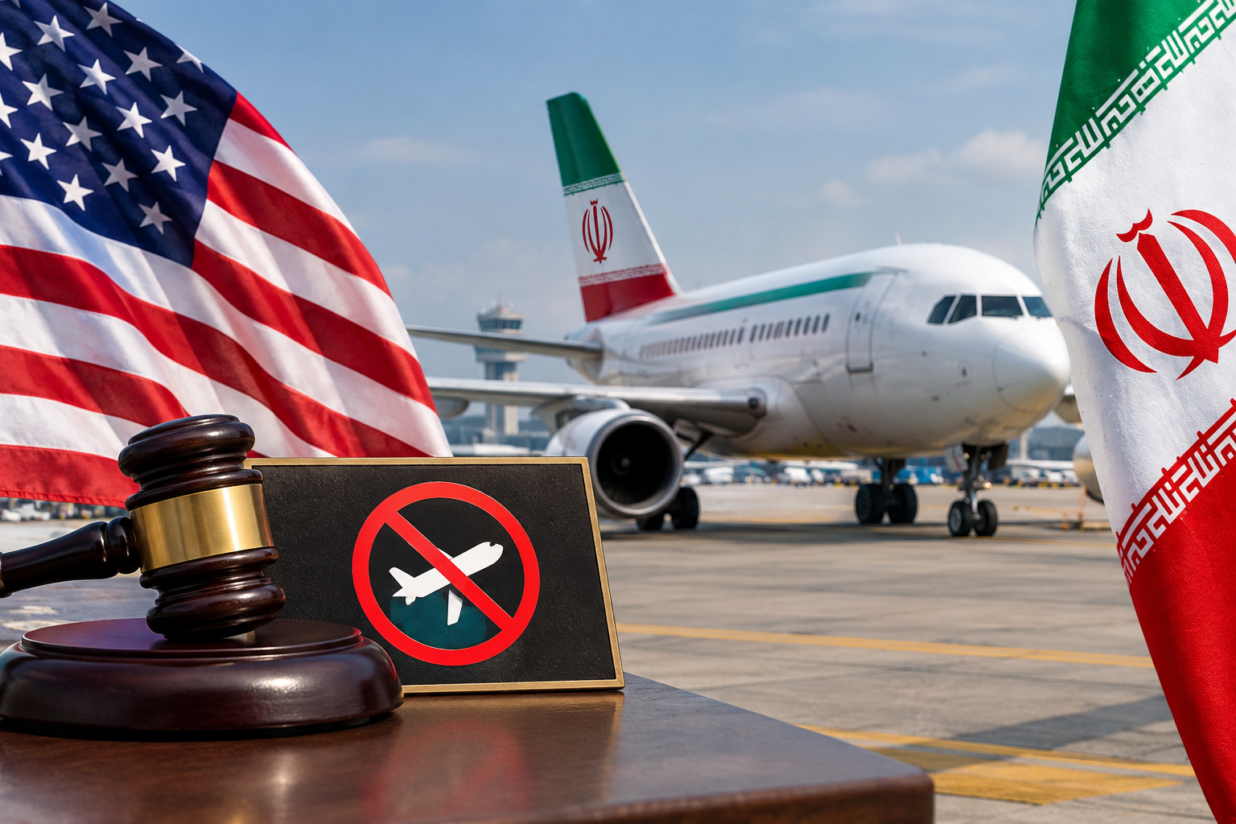

Travel Ban UAE Alert : The UAE government’s recent decision to restrict its residents’ travel to Iran, Lebanon, and Iraq is more than just a normal recommendation; it represents a deeper shift in how regional instability is unfolding and how seriously the UAE is responding to protect its people.
At first look, it may appear to be a preventive step. However, such prohibitions are rarely implemented without compelling intelligence and risk evaluations. The message is clear: the situation in areas of the Middle East has reached a point where civilian safety cannot be guaranteed.
Why This UAE Travel Ban Matters Right Now
The Middle East is going through a delicate period. Political tensions, domestic instability, and the possibility of a quick escalation have heightened anxiety in nations such as Iran, Lebanon, and Iraq.
For UAE nationals, this is important for three reasons:
- Unpredictable security conditions: Situations can change rapidly, leaving travelers stranded or exposed
- Limited evacuation options: In crisis zones, exiting safely becomes difficult once tensions escalate
- Diplomatic constraints: The ability of governments to assist citizens is often restricted in volatile regions
This is why the UAE Ministry of Foreign Affairs is not only advocating caution, but actively urging nationals to leave certain countries immediately.
UAE Travel Ban Iran Lebanon Iraq – A Strategic Safety Move
This is not an isolated move. It fits into a larger pattern of proactive crisis management by the UAE.
In contrast to certain countries, the UAE prefers to act quickly. Authorities limit the possibility of emergency evacuations, which are costly, complex, and dangerous, by restricting movement before things get out of hand.
Experts in regional geopolitics suggest that:
- Lebanon continues to face economic collapse and internal instability
- Iraq remains vulnerable to militia activity and political volatility
- Iran is experiencing heightened geopolitical pressure and internal tensions
Early warnings are crucial in a country like the UAE, where many individuals travel for work, vacation, and family visits.
What UAE Citizens Should Do Immediately
- If you are a UAE national or have family members in these places, this warning should not be ignored.
- Those currently in Iran, Lebanon, or Iraq should plan immediate departure
- Stay in contact with UAE authorities through official emergency channels
- Avoid non-essential travel to any high-risk areas in the region
The UAE has also strengthened communication channels to guarantee that citizens can seek assistance swiftly if necessary.
Future Implications: What This Means for the Region
-
- This travel ban could foreshadow bigger events.
- Possible escalation: Governments often issue such warnings ahead of major geopolitical shifts
- Travel disruptions: Airlines and travel routes may face changes if tensions rise
- Economic ripple effects: Trade, tourism, and cross-border business may slow down
For UAE residents and businesses, especially those with ties to these countries, it’s a moment to reassess travel plans and operational risks.
A Bigger Message Behind the Ban
Beyond safety, this decision highlights something important: the UAE’s increasing focus on citizen protection as a top priority in foreign policy.
In a place where uncertainty can surface fast, prompt action is frequently the difference between safety and disaster. This approach reflects the UAE’s strategy of moving ahead of problems rather than waiting for them to worsen.
In such circumstances, awareness is just as vital as action. Staying informed is the best thing you can do if you are a regular traveler, a business professional, or have family living overseas.
- you join our whatsapp channel
- you join our tazatimesnews Telegram Channel
- you join our tazatimesnews truthsocial.com Channel
- Also reads : Trump Iran Blockade: US Naval Pressure Reshapes Global Oil Markets and Geopolitics