US Iran Sanctions : The US has imposed fresh penalties against an Iranian body tied to activities in the Strait of Hormuz, putting more pressure on Tehran during a period of rising Middle Eastern turmoil. While Washington claims the measure is intended to defend international shipping lines, experts fear that it may exacerbate tensions in one of the world’s most crucial oil transportation regions.
The US Treasury Department has approved sanctions against the Persian Gulf Strait Authority, an Iranian body established to oversee ship traffic and passage operations through the Strait of Hormuz. American officials allege the organization is linked to Iran’s Revolutionary Guard actions and accuse it of endangering global maritime trade.
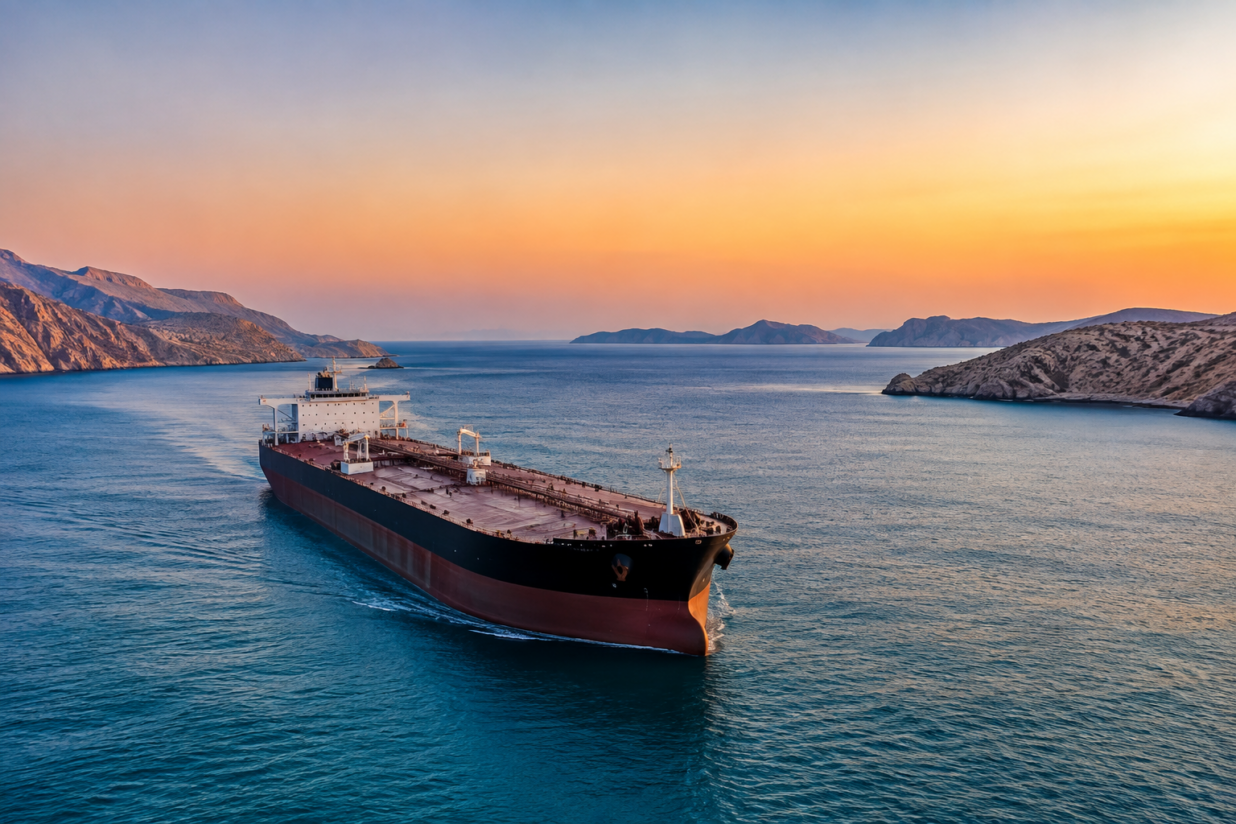
The Strait of Hormuz is one of the world’s most strategically vital waterways, as it transports a large amount of global oil exports every day. Any disruption in the area might have an immediate impact on energy prices, shipping costs, and worldwide markets.
US Iran Sanctions Increase Pressure on Gulf Shipping
According to US officials, the penalties are part of a broader “maximum pressure” campaign against Iran. Treasury Secretary Scott Bessent warned that the United States will continue to target companies participating in activities that endanger safe shipping operations in the Gulf region.
According to reports, the newly sanctioned authority implemented regulations and passage fees for vessels passing the Strait of Hormuz. According to some tales, ships were asked to pay substantial sums for safe passage along the route. American authorities have previously warned shipping companies that such payments may subject them to US sanctions.
Iran has justified its actions, claiming they are important for regional security and traffic management. However, Western nations and international maritime organizations have raised worry that increased Iranian control could jeopardize free transit across the strait.
The sanctions come amid growing military and political tensions between Iran, the US, and Israel. In recent months, the region has seen increased naval action, strikes on commerce lines, and growing concerns about a larger battle in the Gulf.
Oil markets are also closely watching the situation. According to analysts, even minor disruptions in the Strait of Hormuz can have a significant impact on global gasoline prices because the tiny passage transports about one-fifth of the world’s seaborne oil traffic.
US Iran Sanctions Trigger Global Economic Concerns
The current restrictions may also put more strain on global trade and energy supply, at a time when many economies are already experiencing inflationary pressures. Following the US ruling, Gulf shipping companies are expected to evaluate security measures and insurance prices.
International observers believe the situation could worsen if diplomatic discussions between Tehran and Washington do not improve. According to certain sources, both sides are continuing in indirect conversations about maritime security and regional stability, while no major deal has been declared.
Meanwhile, Gulf countries continue to appeal for moderation to prevent further escalation, which might harm regional economy and global oil markets. Several countries that rely on Gulf energy exports are closely monitoring developments as uncertainty grows.
Despite Iran’s objections, the US government has suggested that if Tehran escalates its activity in the Strait of Hormuz, further penalties may be imposed. Analysts believe the following weeks will be vital for diplomacy and global energy security.
- you join our whatsapp channel
- you join our tazatimesnews Telegram Channel
- you join our tazatimesnews truthsocial.com Channel
- Also reads : Brazil Workweek Reform : Lula’s Workweek Reform Wins Public Support but Sparks Political Battle Ahead of Brazil Election