
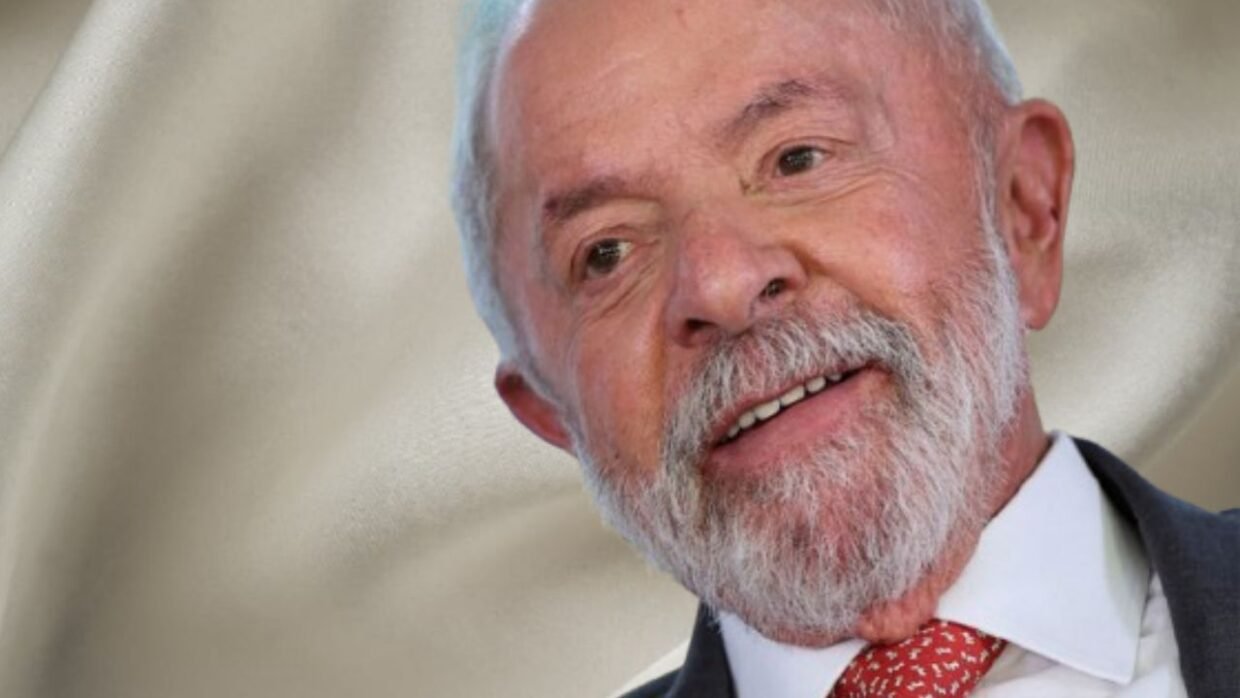
Brazil Workweek Reform : Brazilian President Luiz Inácio Lula da Silva has sparked widespread public interest after supporting a big plan to abolish the country’s traditional six-day workweek. The reform proposal, which would lower working hours for millions of people, is currently regarded as one of Lula’s most significant political maneuvers ahead of the 2026 presidential race.
The idea intends to replace Brazil’s present “6-1” work structure, which consists of six working days and one rest day, with a modern five-day workweek. Employees would eventually work 40 hours per week instead of the present 44 hours if the proposed adjustments were implemented. Supporters claim the reform will improve workers’ mental health, productivity, and family life, while opponents warn it will raise corporate costs and hamper economic progress.
This argument has swiftly become one of the most contentious political issues in Brazil this year. According to government officials, the plan has enhanced Lula’s image as a leader who cares about worker rights and social welfare. According to polls, the vast majority of Brazilians, particularly young workers and those living in cities, support reducing weekly working hours.
Brazil Workweek Reform Gains Public Support Before 2026 Election
According to reports, the Lula administration expects the lower house of Congress to ratify the constitutional amendment following discussions with political leaders, including Chamber Speaker Hugo Motta. However, the measure is still being met with hostility in the Senate, where legislators and business groups are seeking adjustments before they would accept it.
To ease the burden on businesses, the government has already agreed to a slower implementation timetable. If approved, the weekly workload would first decrease from 44 to 42 hours within 60 days. After one year, it will be decreased to 40 hours per week. Officials said the phased process is intended to enable businesses adjust without causing significant inconvenience.
Labor unions and worker organizations have supported the proposal, claiming that Brazilian employees frequently work long hours with little personal time. Pro-reform demonstrations have taken place in big cities including São Paulo and Brasília. Activists argue that the current system is antiquated and no longer meets modern work-life demands.
At the same time, employers have expressed concern about the plan’s economic implications. Some business leaders believe that reducing working hours without lowering wages could raise operating costs and harm smaller businesses. Economists are also divided on whether the shift will boost productivity or put further pressure on firms already dealing with inflation and market instability.
Brazil Workweek Reform Becomes Key Strategy for Lula Campaign
Political observers say Lula’s support for labor reform is part of a larger plan to re-engage working-class voters before the 2026 election campaign begins. Despite earlier speculation about his political future, the president has already stated that he intends to run for another term in office.
According to government allies, the discussion itself could assist Lula politically, even if Congress does not completely embrace the proposal. Officials say that Lula may portray himself as a worker advocate while putting pressure on opposition leaders who oppose the revisions.
In addition, the issue has reignited a broader national debate in Brazil about working conditions, employee rights, and economic justice. With elections approaching, workweek reform could become one of the most important political contests dictating the country’s future orientation.
- you join our whatsapp channel
- you join our tazatimesnews Telegram Channel
- you join our tazatimesnews truthsocial.com Channel
- Also reads : A few weeks before turning 90, Best actor Dharmendra passes away in Mumbai: News Agency IANS