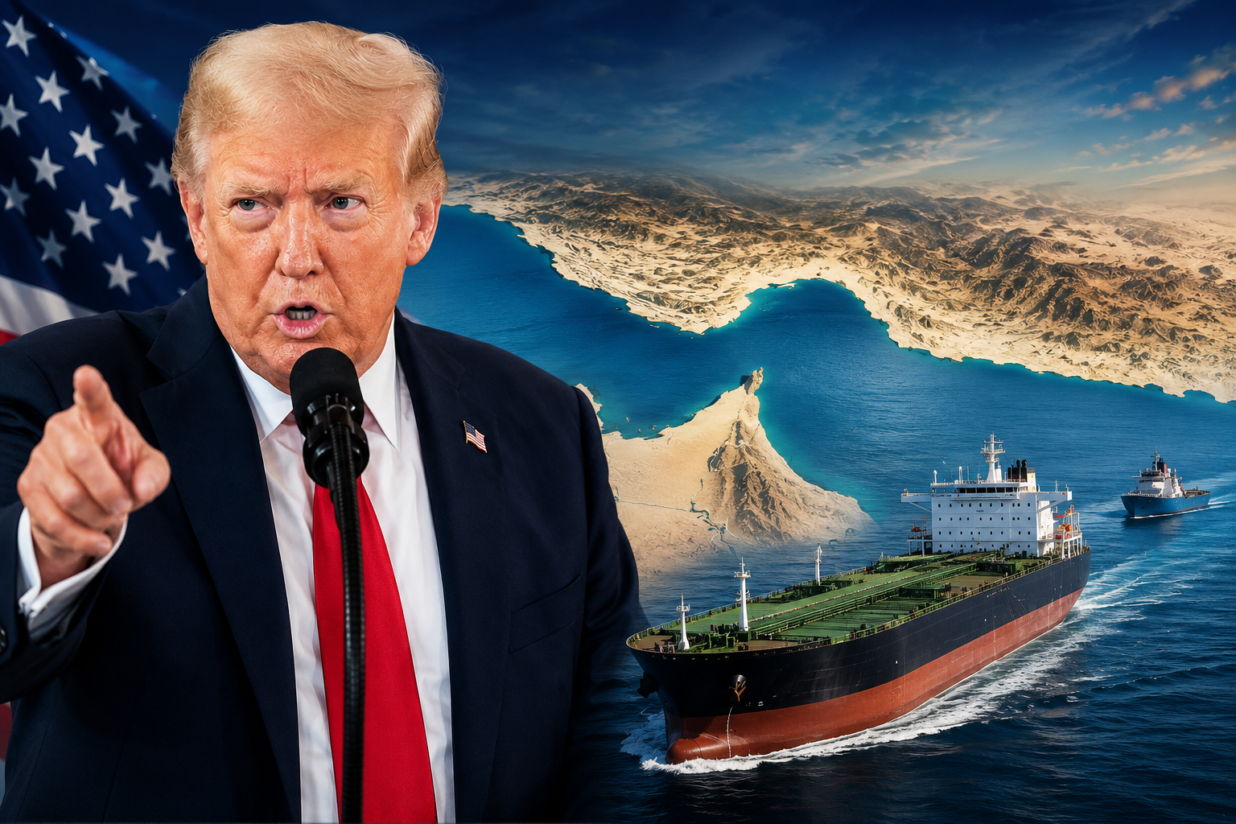
Trump Strait of Hormuz Remarks: US President Donald Trump has stated that countries who benefit from shipping through the Strait of Hormuz should compensate the United States for the cost of protecting one of the world’s busiest maritime commerce routes. Trump’s remarks on the Strait of Hormuz come as security worries in the Gulf escalate amid heightened tensions with Iran and rising hazards to commercial shipping.
While speaking at the White House, Trump stated that many countries rely significantly on the Strait of Hormuz for energy imports and international trade. He claimed that it is appropriate for such countries to contribute to the military resources required to maintain the important waterway open and secure.
Trump Strait of Hormuz Plan Calls for Allies to Share Security Costs
Trump stated that countries who rely on the Strait of Hormuz should contribute to the cost of protecting the crucial commerce waterway. He pointed out that the United States has put enormous military resources in defending freedom of navigation, whereas many other countries profit from safe passage without investing proportionately.
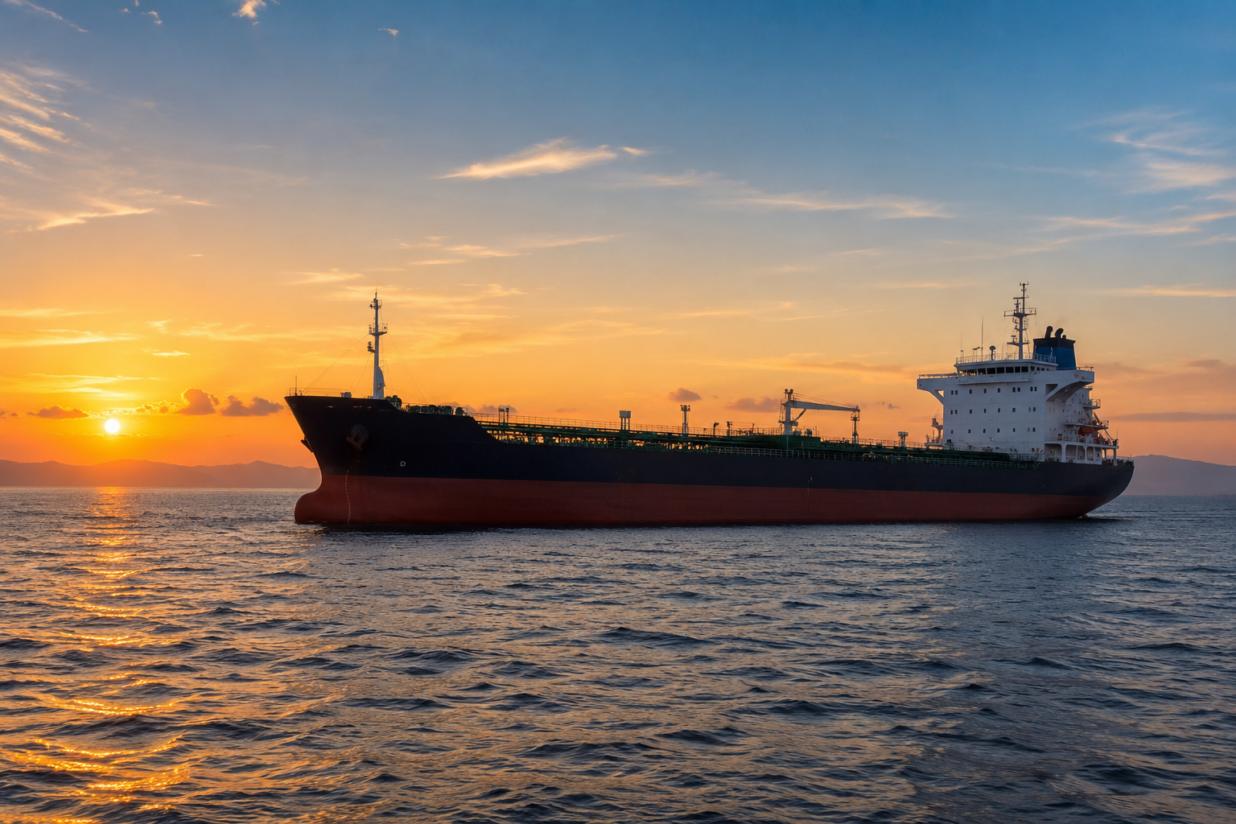
The Strait of Hormuz is one of the world’s most strategic waterways. Every day, the narrow route transports around one-fifth of world oil supply and a sizable portion of liquefied natural gas exports. Any disruption could have a quick impact on global energy markets, maritime operations, and gasoline pricing.
The president’s remarks came as tensions in the Gulf remained high following recent events involving commercial vessels and military confrontations with Iran. The government has claimed that preserving freedom of navigation necessitates increased international collaboration and burden-sharing among countries that rely on the route.
Although Trump did not specify a payment structure or which countries would be asked to contribute, his comments are consistent with his long-held belief that US friends and economic partners should bear a greater portion of international security expenditures.
Trump Strait of Hormuz Proposal Raises Questions Over Global Trade and Energy Security
Diplomats, security experts, and energy analysts have all weighed in on Trump’s idea. Some feel that large energy-importing countries may improve marine security cooperation, while others argue that any cost-sharing structure would necessitate broad international consensus and could pose political hurdles.
The Strait of Hormuz is crucial to Asian, European, and other economies. Countries including Japan, South Korea, China, and several European countries rely substantially on energy exports flowing via the river. Any extended disruption might raise transportation costs, reduce energy supply, and put pressure on global inflation.
Energy markets continue to closely track developments in the Gulf. Oil prices have become more volatile as markets react to fears about potential supply interruptions and increased military action near the Strait of Hormuz. Analysts believe geopolitical turmoil in the region will continue to influence energy prices in the coming weeks.
International observers have recommended caution while supporting diplomatic attempts to ease regional tensions. Simultaneously, maritime companies are assessing security measures and monitoring the situation to guarantee that commercial vessels travel safely.
Trump’s recent comments have brought a new dimension to the discussion over global security responsibility. It is unclear whether allies will agree to share more of the financial burden, but the conversation highlights the growing necessity of defending important international commerce routes during an era of high geopolitical tension.
- Join our whatsapp channel for daily updates.
- Follow tazatimesnews Telegram Channel for latest news alerts.
- Follow TazaTimesNews on TruthSocial for exclusive updates
- Also reads : Dandruff removal : Experts Share Simple Hair Care Tips for Naturally Removing Dandruff