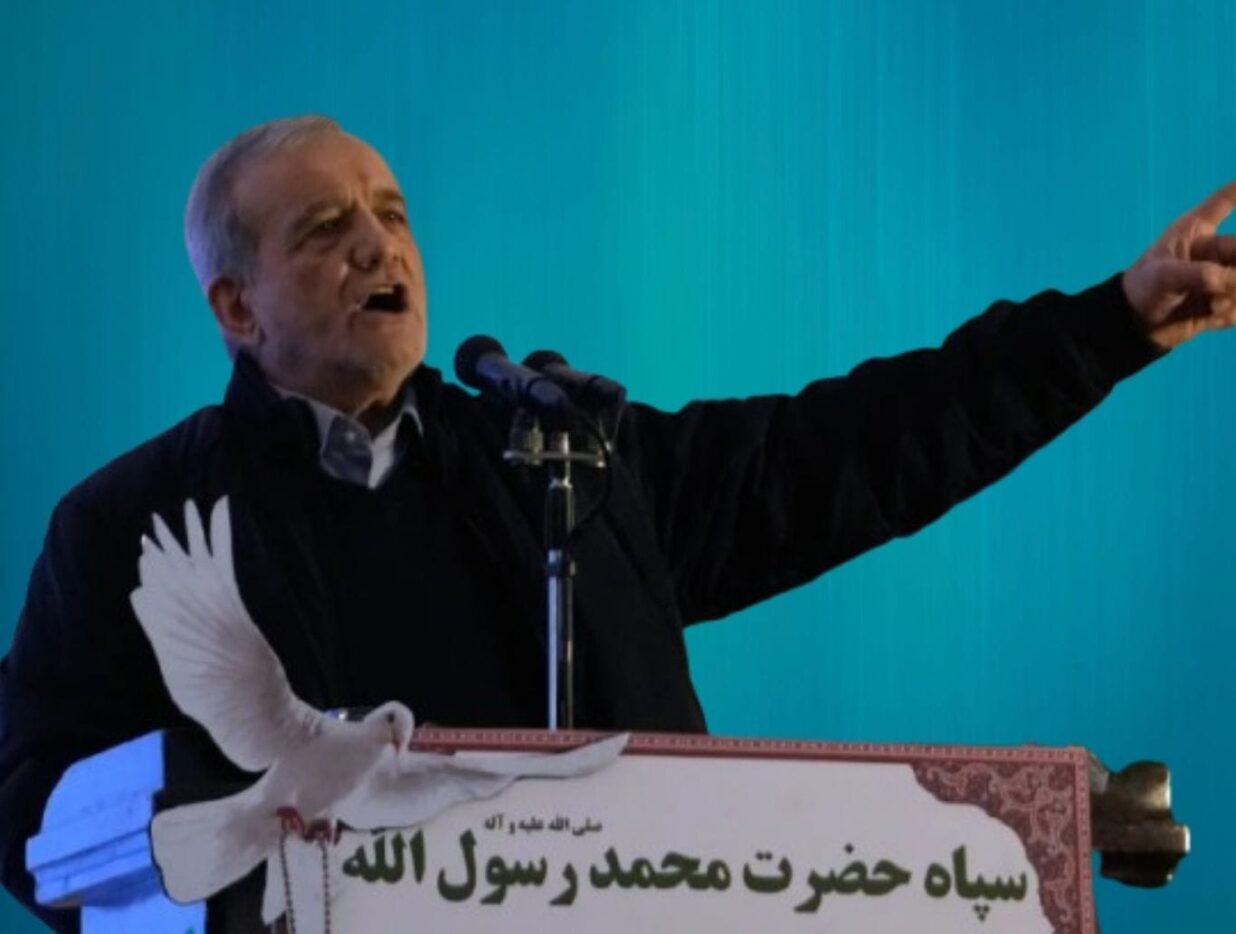
US House vote : House members voted 212-219 against a war powers resolution aimed at blocking President Donald Trump’s military steps against Iran, a day after the Senate rejected a comparable proposal.
This decision underscores rising congressional tensions over the intensifying war in the region.
The United States Embassy in Kuwait has ceased operations in reaction to Iranian retaliatory strikes, becoming the second American diplomatic mission to do so amid the escalating conflict. The conflict has claimed many lives, including six American soldiers who were killed by an Iranian drone strike in Kuwait.
US House vote : Conflict Expansion and Casualties
President Trump expressed a willingness to influence the nomination of Iran’s next supreme leader, sparking concerns about potential regime change or policy concessions from the US and Israel as the war appears to drag on.
Iranian leaders have vowed to remove Middle Eastern military and economic infrastructures, contributing to financial market volatility, as indicated by a 1,000-point decline in the Dow Jones Industrial Average as oil prices rise.
Also reads : US Senate rejects proposal to stop military campaign against Iran
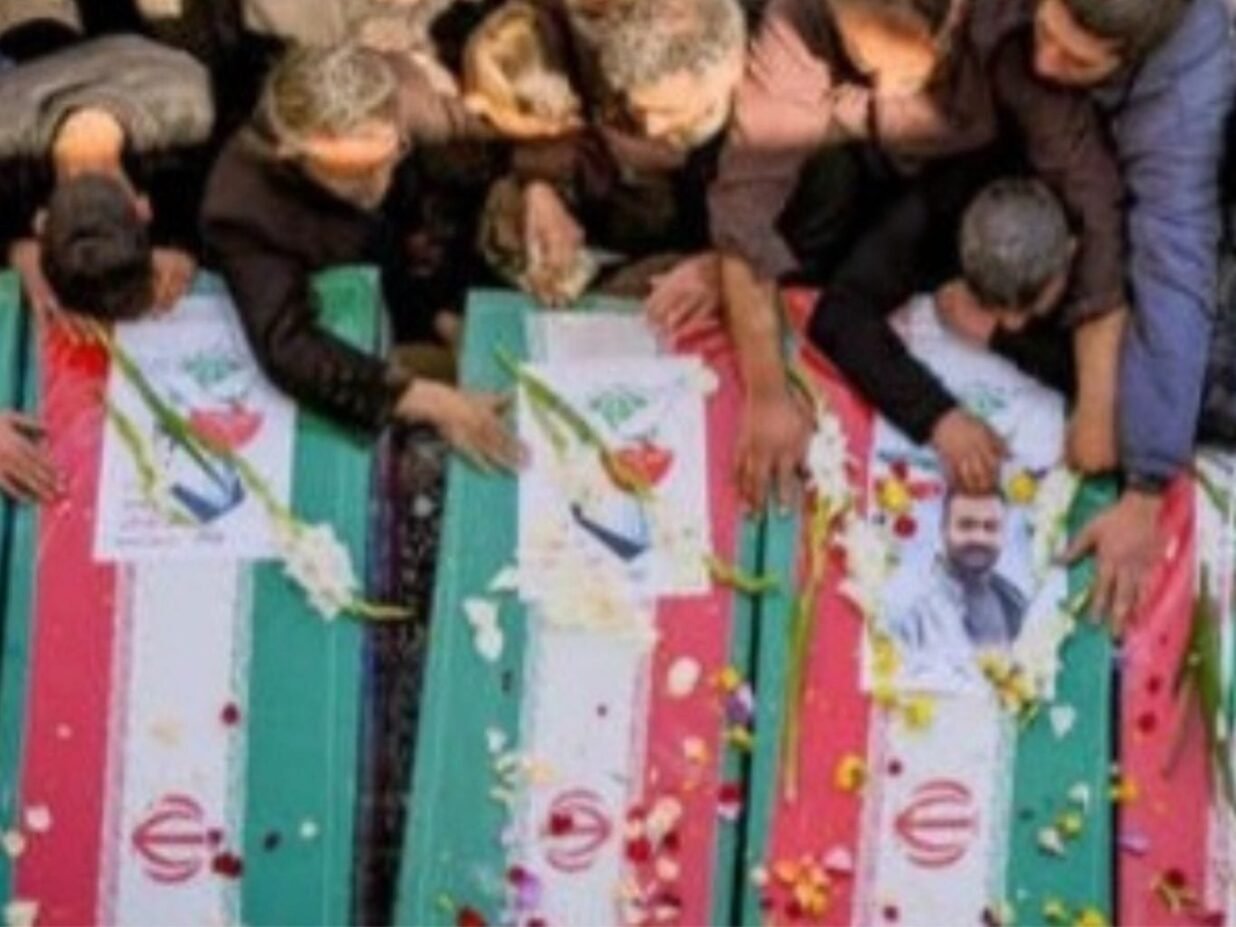
According to official figures, the current battle has killed at least 1,230 people in Iran, over 70 in Lebanon, and over a dozen in Israel.
Military developments
Adm. Brad Cooper, head of US Central Command, stated that US forces had sunk over 30 Iranian boats, including a drone carrier the size of a World War II aircraft carrier that was currently on fire.
At a Central Command event, Defence Secretary Pete Hegseth emphasised that the US controls the timeline of military operations in Iran, saying, “We set the tempo and the timeline led by the commander on the ground.” He also stated that US armaments are adequately stocked and that the will to battle remains strong.
Diplomatic manoeuvres
Trump hinted at possible progress in conversations with Cuba while remaining focused on Iran, implying that diplomatic attempts could restart after the situation in Iran stabilises. He stated that the Cuban leadership is anxious for a compromise, but emphasised the necessity to prioritise the current battle.
Iran’s ambassador to Egypt, Mojtaba Ferdousi Pour, claimed that Iran’s military actions are part of a larger strategy, emphasising that US outposts on Iranian soil will be attacked as part of a ‘comprehensive battle’ that includes military, economic, and cyber warfare.
Congressional Actions
The House’s rejection of the war powers resolution reflects members’ growing worry about the consequences of Trump’s unilateral military action in Iran. The Senate’s earlier vote against a similar resolution demonstrates the varied views of Congress on US military engagement.
The close vote in the House shows the changing political landscape as politicians balance constituency concerns with national security concerns in the midst of the protracted battle.
Market Reactions
As the dispute has escalated, Wall Street has suffered enormous losses, with the Dow Jones plummeting more than 1,000 points. This fall is due to rising oil costs and increased inflation concerns, which have prompted investor caution.
Despite the current volatility, historical patterns indicate that the US stock market frequently recovers following military wars, prompting some investors to take a cautious approach during this period of uncertainty.
Humanitarian impact
The war has caused significant humanitarian difficulties, with mounting casualties recorded in Lebanon and continued worries about civilian safety in fighting zones. According to reports, the Lebanese health ministry has verified 123 dead since the current hostilities began.
In response to the violence, Israel has issued cautions to its nationals travelling abroad, emphasising the possible dangers posed by ongoing hostilities and encouraging caution in foreign nations.
- Join our whatsapp channel for daily updates.
- Follow tazatimesnews Telegram Channel for latest news alerts.
- Follow TazaTimesNews on TruthSocial for exclusive updates