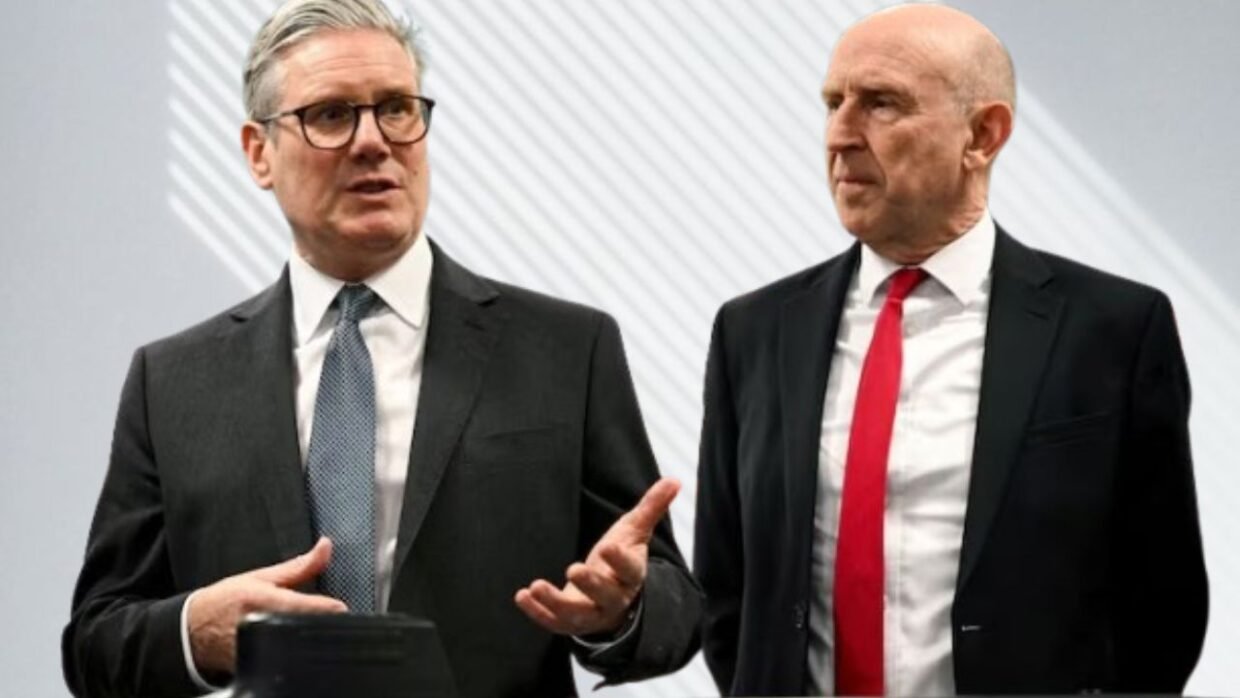
UK Defence Spending (LONDON )— British Prime Minister Keir Starmer is under additional political pressure after a key defence minister resigned over differences over military expenditure, highlighting deepening fissures inside the government at a time of mounting global security worries.
The departure has fueled debate about how Britain should balance its defense demands with broader economic concerns. While the government claims that projected military spending is a considerable commitment, critics say the funding falls short of what is required to face current challenges.
John Healey resigned after raising concerns about the government’s defence financing plans. In his resignation letter, he stated that Britain required greater expenditure to ensure that its military forces were prepared for future threats. Prime Minister Starmer responded by stating that national security remains a top concern and promising to provide the necessary resources to keep the country safe.
The issue comes as Britain considers its long-term military policy in the face of growing instability in Europe, the Middle East, and other countries. As NATO countries confront increasing pressure to increase military capabilities and modernize equipment, defense spending has emerged as a key policy concern.
Defence Spending Debate Raises Questions Over Government Priorities
The argument is over how much money should be given to defence and where those resources should come from. According to reports, the Ministry of Defence demanded a larger financial package than the Treasury finally delivered, causing friction among senior government officials.
Supporters of increased military spending believe that Britain should expedite investment in new technology such as artificial intelligence, drones, and contemporary warfare equipment. Critics argue that the current plan concentrates too much on traditional skills while failing to adapt rapidly enough to evolving security conditions.
However, government officials argue that defense funding must be weighed against broader economic duties. They say that excessive borrowing or spending increases will put further burden on state finances at a time when economic growth is unstable.
The financing disagreement has also highlighted broader challenges for the Labour government as it tries to keep pledges while managing fiscal limits. Analysts point out that decisions about defense spending frequently require challenging trade-offs between military investment and other public services.
Defence Spending Crisis Adds to Starmer’s Political Challenges
Starmer’s resignation comes at a time when he is already under fire from some members of his party for his policies and leadership. Some politicians have questioned whether the government is moving fast enough to solve pressing national issues.
Despite the criticism, Starmer has refuted claims that his leadership is under jeopardy. He has promised to continue ruling, and subsequent defence plans will provide a clear blueprint for bolstering Britain’s military capabilities in the coming years.
According to observers, the next several weeks could be important. If the administration is successful in delivering a defence spending package that meets the needs of both security specialists and fiscal planners, confidence may be restored. Failure to do so, however, may intensify political pressure and exacerbate divides within the ruling party.
- Join our whatsapp channel for daily updates.
- Follow tazatimesnews Telegram Channel for latest news alerts.
- Follow TazaTimesNews on TruthSocial for exclusive updates
- Also reads : Hardik Pandya Sets Sights on Record-Breaking best 6th IPL Trophy with Mumbai Indians