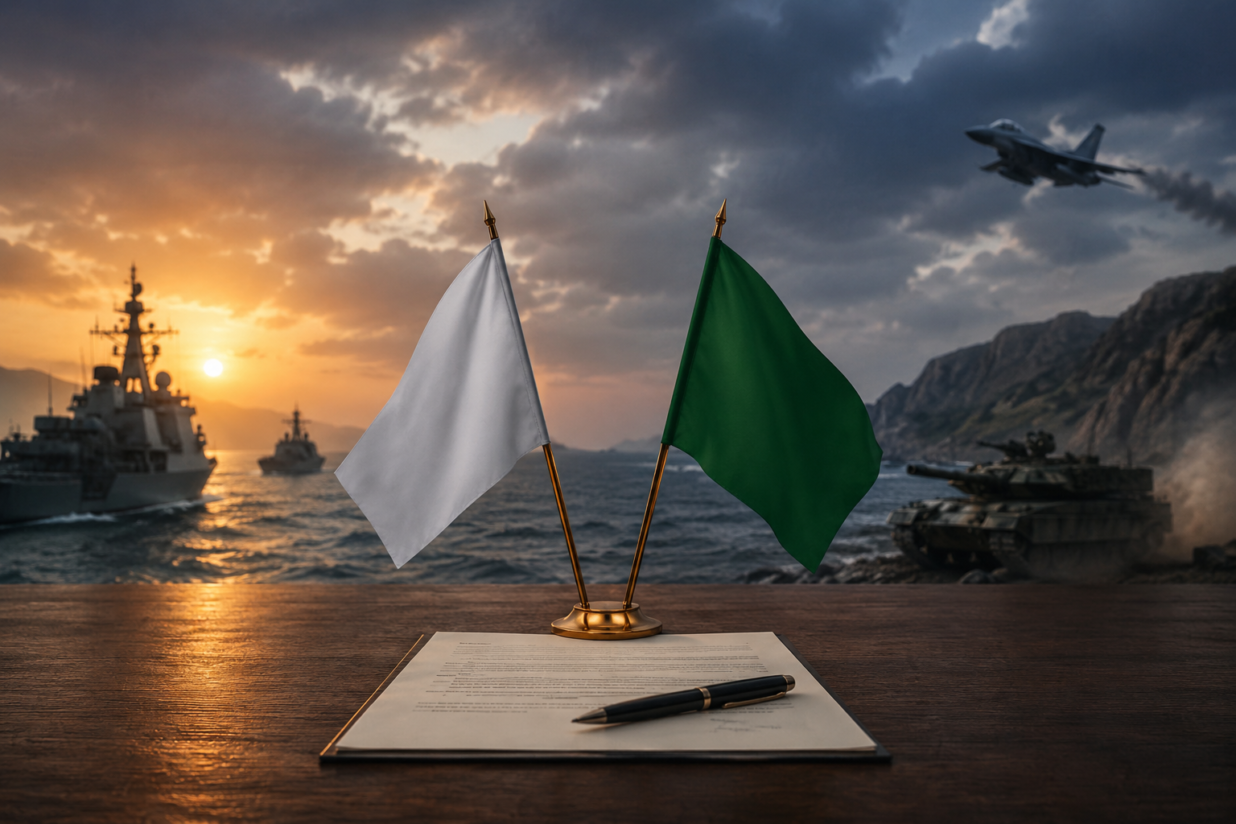
Iran Peace Deal : A prospective breakthrough in US-Iran ties looks to be closer than it has been in years, with officials on both sides signaling progress toward a peace agreement. However, prospects for diplomatic victory were dashed by new military activities near the Strait of Hormuz, highlighting the negotiations’ fragile character and the hurdles that remain.
According to people participating in the discussions, Washington and Tehran are working on a draft agreement that could help alleviate tensions, restore crucial economic lines, and lay the groundwork for future conversations on more challenging topics. The conversations have increased hopes in international markets and among global leaders who are keenly monitoring events in one of the world’s most critical geopolitical regions.
The proposed accord is expected to focus on restoring security in the Strait of Hormuz, a critical maritime route through which a large portion of the world’s oil and energy supplies travel. Reopening and safeguarding the canal has become a top priority following months of war, disruptions, and economic uncertainty that impacted global energy markets.
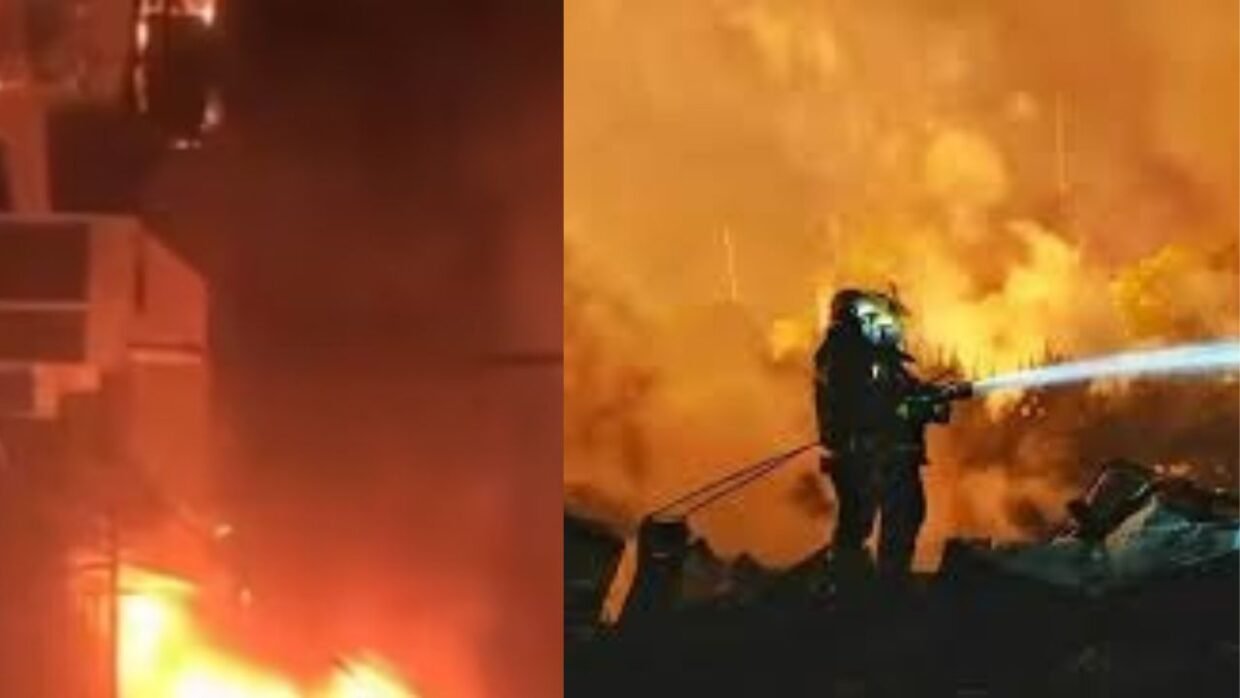
Despite the diplomatic momentum, tensions are obvious. US forces recently intercepted several Iranian drones that were apparently heading toward commercial shipping routes near the Strait of Hormuz. American authorities said the measure was necessary to defend marine traffic and regional security. The episode revealed that military risks persist even as negotiators approach an accord.
Iran Peace Deal Progress Boosts Hopes for Regional Stability
Senior officials from both countries have stated that a preliminary framework is nearly complete, while significant specifics still need to be resolved. According to reports, the agreement might involve sanctions relief, access to certain frozen Iranian assets, and measures to restore free navigation in the Gulf.
Iranian Foreign Minister Abbas Araqchi has stated that Iran desires an agreement that protects its national interests while establishing conditions for long-term stability. Meanwhile, US President Donald Trump has frequently voiced confidence that an agreement will be reached soon, while simultaneously warning Tehran against moves that could jeopardize discussions.
The financial markets reacted warmly to hints of development. Oil prices fell as investors anticipated a possible easing of tensions and the return of normal shipping operations via the vital canal. Analysts believe a calm Strait of Hormuz would improve global trade, energy supplies, and economic growth.
However, differences persist about Iran’s nuclear activities, sanctions, and the timing of future promises. While negotiators have narrowed some of their differences, experts warn that difficult issues may still delay a final agreement.
Iran Peace Deal Faces Challenges Amid New Security Concerns
The recent drone incident has served as a reminder that peacekeeping efforts are still subject to unexpected failures. According to regional security experts, military engagements can have a rapid impact on diplomatic negotiations, particularly in areas where numerous governments and armed groups compete for resources.
The Strait of Hormuz has long been considered one of the world’s most vital strategic waterways. Any disruption in shipping across the channel can have an impact on fuel prices, trade flows, and economic stability far beyond the Middle East. As a result, governments, businesses, and energy companies are keenly monitoring the discussions.
Diplomatic observers feel that the coming days will be decisive. If negotiators successfully finalize the proposed framework, it might be a significant step toward lowering regional tensions. At the same time, ongoing military incidents show that peace is precarious until a comprehensive agreement is formally signed and executed.
For the time being, the situation appears to be both optimistic and cautious. While the prospect of a peace accord has sparked excitement in international markets and diplomatic circles, the current security flare-up demonstrates that maintaining long-term stability in the Gulf remains a challenging task.
- Join our whatsapp channel for daily updates.
- Follow tazatimesnews Telegram Channel for latest news alerts.
- Follow TazaTimesNews on TruthSocial for exclusive updates
- Also reads : 10 methods to manage high blood pressure without medication.