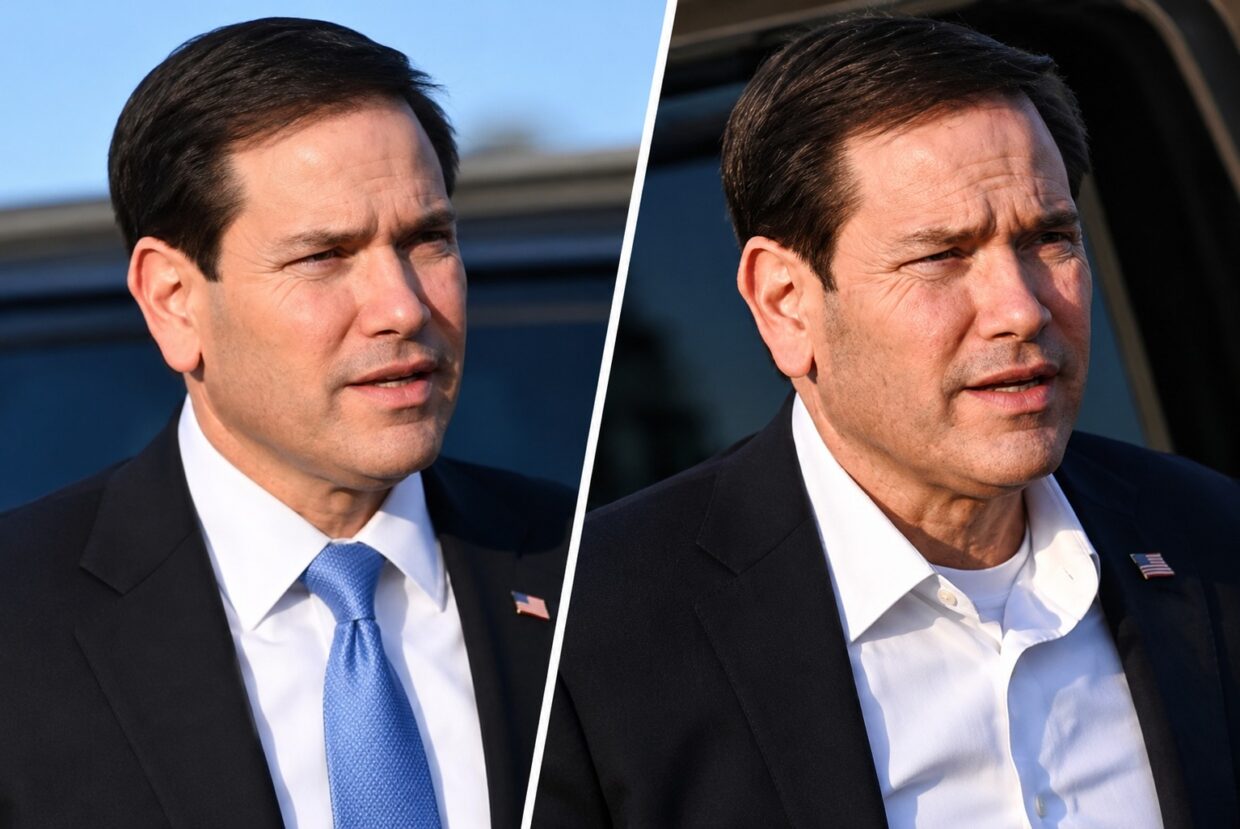
Iran-US Tensions : US Secretary of State Marco Rubio has stated that Washington does not now require more military action against Iran, claiming that economic pressure has already crippled the regime. His words come as tensions remain high over Iran’s nuclear program, military action in the Gulf, and the security of commercial maritime lanes.
Speaking at a Federalist Society event on Friday, Rubio stated that the economic impact of US sanctions was putting significant pressure on the Iranian authorities. He also made it plain that Washington’s primary goal was to prevent Iran from getting a nuclear weapon.
His comments followed US President Donald Trump’s statement earlier in the week that the war was effectively over from a military standpoint.
Iran-US Tensions Continue Over Nuclear Threat
Rubio recognised that the conflict has caused economic issues in the United States. Higher gasoline prices and disruption in several industries have impacted the global economy.
He suggested that Trump might have left Iran’s nuclear program for a future government to resolve. However, the president opted to address the matter rather than postpone it.
Rubio recognised that the choice had caused economic and other problems. He stated that the government understood the impact of the fighting on Americans.
Meanwhile, Iran has informed the United Nations nuclear watchdog that nuclear monitoring cannot continue while the nation faces military threats.
According to a classified study from the International Atomic Energy Agency (IAEA), Tehran believes inspections cannot continue because Washington has threatened to strike its nuclear sites.
Iran has also refused to allow inspectors to visit nuclear installations damaged by Israeli and US attacks during the June 2025 conflict. The dispute on inspections complicates efforts to resolve concerns about Iran’s nuclear activities.
Iran’s deputy ambassador, Gholamhossein Darzi, warned the United Nations Security Council on Friday that any further combat will result in a prompt retaliation against the aggressors.
Darzi also questioned the possibility of restarting negotiations with Washington. He argued that US threats and attacks during negotiations over the previous two years had created deep distrust. He said credible guarantees would be needed before Tehran could consider renewed talks.
Iran-US Tensions Raise Gulf Shipping Concerns
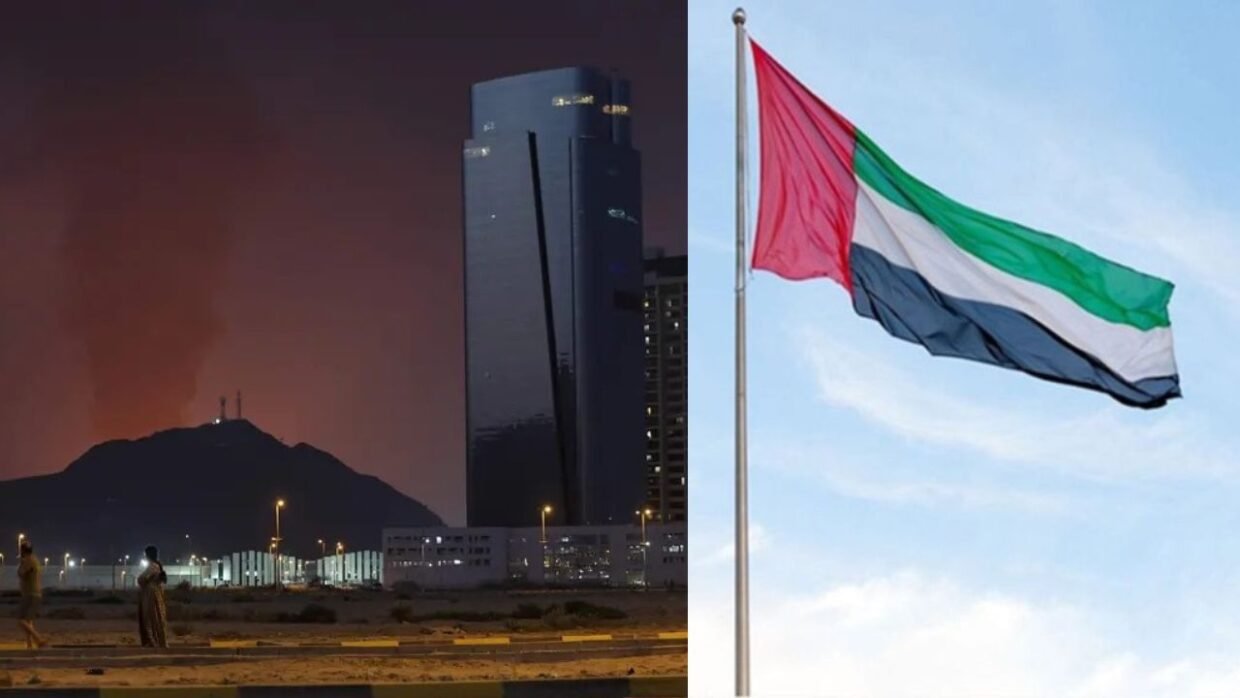
Military events have also put strain on the situation in Bahrain and the Strait of Hormuz.
On Friday, the United States military claimed it intercepted two Iranian attack drones on their way to Bahrain. According to US Central Command (CENTCOM), the event resulted in no casualties or property damage.
The announcement came after Iran claimed to have assaulted a US radar site in Bahrain. According to a Revolutionary Guard statement, the action followed a US strike on a telecoms mast in Sirik, a southern Iranian port.
Iran made its first recorded allegation of striking a site in Bahrain since September. The Bahrain Ministry of Information did not immediately reply to calls for comment.
Separately, Iran’s Revolutionary Guard said that a liquefied petroleum gas ship collided with a mine while sailing through the Strait of Hormuz. The event apparently resulted in an explosion.
According to the Guard, the vessel ignored several warnings while sailing through the eastern side of the strait. However, the assertion could not be independently verified.
The overall marine scenario has also caused alarm. According to the United Nations’ International Maritime Organization, October saw the largest number of incidents involving commercial boats in disputed seas since the war began in February.
By November 11, around 134 incidents had been reported across the Strait of Hormuz and the wider Middle East maritime region. The organisation said 25 seafarers had died, while many others were injured or remained missing.
Conclusion
The most recent events suggest that tensions between Iran and the United States remain unresolved, despite Washington’s assertion that further military action is not now required. Economic pressure, tensions over nuclear inspections, and warnings from Tehran continue to exacerbate the issue. At the same time, drone interceptions in Bahrain and allegations of a tanker explosion in the Strait of Hormuz have heightened security fears in the Gulf. The United Nations has also emphasised the increased threats to commercial shipping, citing reports of fatalities and missing seafarers. Whether diplomatic talks can restart is unlikely, especially as Iran seeks guarantees against additional military action. Nuclear monitoring and regional security remain critical problems for the two parties.
- Join our whatsapp channel for daily updates.
- Follow tazatimesnews Telegram Channel for latest news alerts.
- Follow TazaTimesNews on TruthSocial for exclusive updates
- Also Read : Gadi Eisenkot Gets First Chance to Form Israel’s Next Government