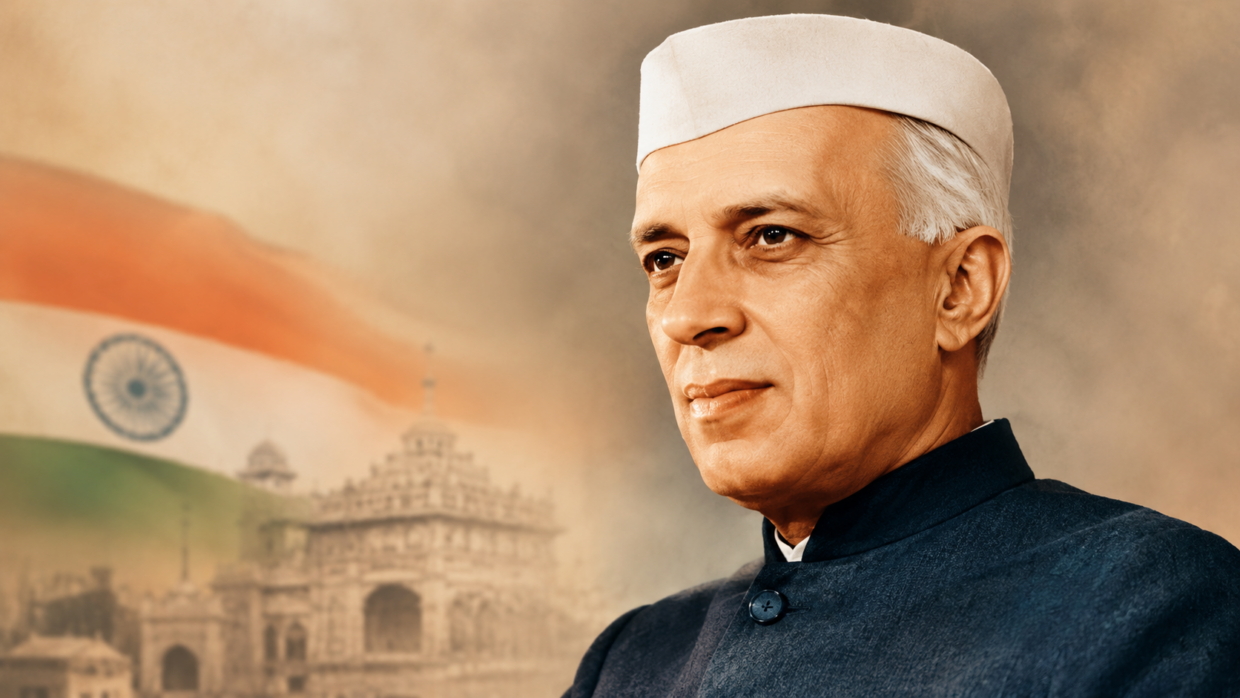
Jawaharlal Nehru continues to be a key figure in Indian arguments about democracy, civil rights, and political freedom. His experiences under British control, including many arrests and years in prison, influenced his perspectives on individual rights and government authority. Jawaharlal Nehru’s publications An Autobiography, The Discovery of India, and Glimpses of World History emphasized the significance of independent thought, education, and opposition to injustice. His articles also discuss how fear and constraints impact regular folks. Even now, Jawaharlal Nehru’s principles provide historical context for preserving democratic norms and freedom of expression.
Jawaharlal Nehru’s essays about British rule, incarceration, and the battle for liberation continue to provide insights into India’s current political predicament. His experiences under colonial control give historical context for discussions of civil liberties, political power, and resistance.
India’s first Prime Minister was born on November 14, 137 years ago. The event draws increased attention to his books, correspondence, and political writings, notably his cautions about regimes that rely on force rather than popular confidence.
Nehru argued that colonial administration was mainly based on police authority, prohibitions, and the suppression of individual liberties. He depicted a system in which individuals were restricted in their capacity to talk, write, congregate, and express dissent.
His memoirs provides a firsthand description of life in such conditions. For individuals active in the independence struggle, arrest was a continuous threat. Nehru described how constant threats of jail were a part of daily life.
Jawaharlal Nehru on Freedom and State Power
Nehru’s remarks regarding colonial authority provide another perspective on the current political climate. Comparisons with the Emergency era are frequently made to depict what some refer to as an undeclared emergency in India. However, his essays show that British colonial control serves as an essential historical reference.
He contended that excessive force might reveal the actual essence of a regime. Repressive behavior may instill terror, but it may also build resistance and undermine the authority of those who employ it.
Nehru believed that even minor acts of resistance were valuable because they encouraged people to stick to their ideals. He thought that refusing to tolerate injustice may help maintain public bravery.
His years in jail also influenced his intellectual development. Reading became his primary activity throughout his more than nine years in jail. Despite jail authorities’ constraints, he pursued his interests in history, philosophy, politics and literature.
His reading interests included Plato’s Republic, Greek dramas, and modern political writings. His letters to his daughter, Indira Gandhi, included allusions to a variety of novels.
Prison limitations often limited what he could read. The censor once regarded the title of Oswald Spengler’s Decline of the West as suspect.
Despite his captivity, Nehru continued to produce important works. His autobiography examined his own growth and experiences throughout the liberation movement. The Discovery of India looked at the country’s lengthy history, whilst Glimpses of World History offered a wide overview of global civilization through letters addressed to Indira from prison.
Jawaharlal Nehru’s Legacy and Today’s Resistance
Mahatma Gandhi influenced Nehru’s perspective on India. He thought Gandhi helped Indians overcome the pervasive dread instilled by British military, police, and intelligence agencies. Gandhi’s leadership inspired others to oppose the status quo and join the battle for independence.
In The Discovery of India, Nehru depicted the country as a civilization with several historical strata. He stated that older concepts and traditions remained part of India’s identity even as new influences developed.
His jail letters also convey his perspectives on personal relationships and daily obligations. In a letter to his sister, Vijayalakshmi Pandit, he emphasized family issues and the need of being cooperative in tough situations.
He claimed that while humans could not control every incident in life, they could choose how to react to it. Maintaining dignity, understanding, and harmony was critical even during times of personal and public adversity.
The piece also makes a comparison between Nehru’s experience and that of other modern activists and authors who have been imprisoned. Names named include Umar Khalid, Sudha Bharadwaj, Anand Teltumbde, Sharjeel Imam, Arun Ferreira, and Seema Azad.
The analogy emphasizes how contemporary political prisoners are being situated within a larger history of struggle. According to the report, Nehru spent more than nine years in colonial jails, whereas Umar Khalid served six years in prison in modern-day India.
Poet Varavara Rao’s work on poetry that challenges authority and keeps people in power accountable illustrates this subject. Umar Khalid has also defined his effort as part of a broader vision of an equitable society.
Conclusion: Jawaharlal Nehru’s Ideas Still Matter.
Jawaharlal Nehru’s life is more than just a history of India’s liberation fight. His experiences demonstrate how reading, independent thinking, and personal fortitude can thrive even in difficult circumstances. His ideas also address long-term problems regarding individual liberty, political power, and individuals’ ability to oppose injustice. The contrast of colonial imprisonment and current political cases remains a crucial aspect of the argument about India’s democratic principles. His letters also remind readers that public fights should not come at the expense of personal dignity or mutual understanding. Nehru’s publications and views continue to be a significant historical reference for anyone studying India’s contemporary political atmosphere, helping them comprehend freedom, resistance, and individual responsibility in tough times.
- Join our whatsapp channel for daily updates.
- Follow tazatimesnews Telegram Channel for latest news alerts.
- Follow TazaTimesNews on TruthSocial for exclusive updates
- Also read : Finland FM Criticises US Move on Russian Oil, Urges Visa Curbs


