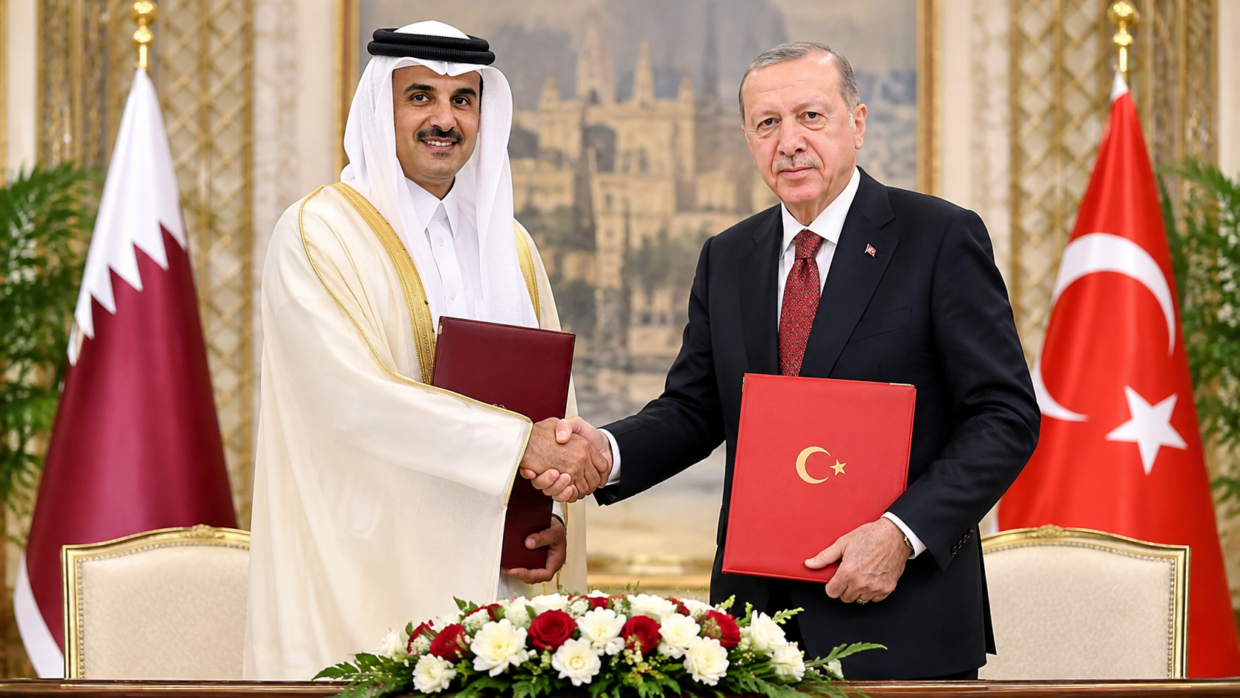
Qatar-Türkiye Mutual Defence Agreement : Qatar and Turkey have inked a new Mutual Defence Agreement as they seek to improve their security alliance and increase collaboration across other industries. On Friday, Qatar’s Amir Sheikh Tamim bin Hamad Al Thani and Turkish President Recep Tayyip Erdoğan signed an agreement in Istanbul during the 12th meeting of the Supreme Strategic Committee.
The accord was formalised in Dolmabahçe Palace, where the two leaders also saw the signing of many bilateral agreements and memoranda of understanding. The meeting centred on defence, economic cooperation, and key regional developments.
The meetings take place at a time when the Gulf region is experiencing rising tensions. Both leaders emphasised the need of avoiding a return to hostilities and promoted dialogue as a means of resolving regional differences.
Qatar-Türkiye Mutual Defence Agreement Expands Security Cooperation
The new defence agreement expands Doha and Ankara’s cooperative partnership. The deal is a significant addition to the long-standing relationship between the two nations, according to President Erdoğan.
He also mentioned the advancements in economic ties. Erdoğan stated that both nations are now closer to their goal for bilateral commerce thanks to the commerce and Economic Partnership Agreement, which went into effect last year.
It is anticipated that defence industry collaboration would continue to play a significant role in their partnership. Erdoğan emphasised Turkey’s intentions to continue developing collaboration in defence production while expanding its ties with Qatar in the energy industry.
Following the meeting, Amir of Qatar also discussed the future of bilateral ties. Sheik Tamim stated in a post on X that the collaboration has continued to expand in a number of areas.
He mentioned that both parties had spoken about how to expand on their current successes and find new areas for collaboration. Sheik Tamim and Erdoğan co-chaired the Istanbul summit.
Their conversations produced more than just the agreement. Documents pertaining to consumer protection, market monitoring, education, and collaboration in peace, reconciliation, and conflict resolution were shared between the two nations.
Additionally, a joint communiqué from the Supreme Strategic Committee’s 12th session was shared. The two countries’ most recent meeting included a broader variety of topics, which is reflected in these agreements.
Qatar-Türkiye Mutual Defence Agreement and Regional Issues
Another important topic throughout the discussions was regional security. Erdoğan called for diplomatic measures to resolve disputes amongst the countries involved and emphasized the need to stop more confrontations in the Gulf.
The leaders also talked about the humanitarian crisis in the area and Israel’s airstrikes on Gaza. The most recent circumstances in Libya and developments in Syria, including efforts toward normalization, were also discussed.
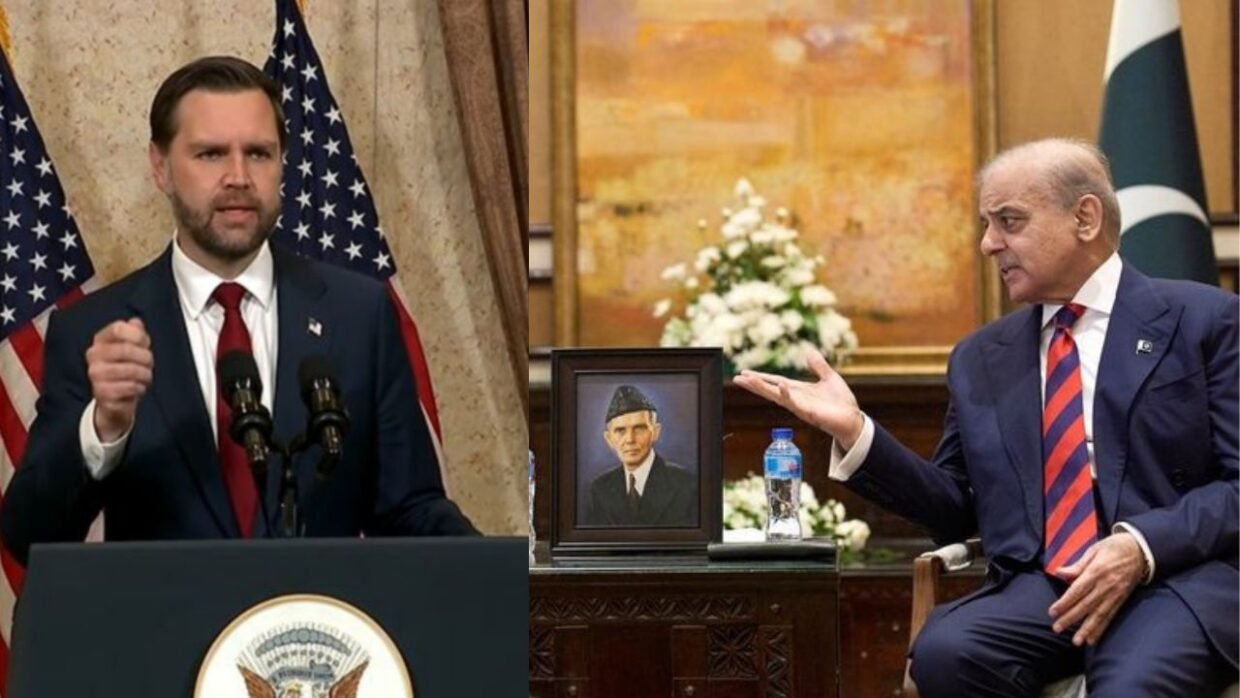
The conference was held in the context of broader defense cooperation between Turkey and other nations in the area. Saudi Arabia, Pakistan, and Turkey inked a separate defense pact in August, pledging to support one another in the event that any of its members were attacked.
Last Monday, the Turkish parliament approved that accord. It unites Pakistan, the only nuclear-armed nation in the Muslim world, with Turkey, a NATO member with the second-largest military in the alliance.
Doha and Ankara’s defense ties are further formalized under the new Qatar-Türkiye pact. The source material did not provide information on its particular military obligations.
Conclusion
Along with their current diplomatic and commercial connections, the Qatar-Türkiye Mutual Defense Agreement gives the two nations’ relations a new dimension by emphasizing defense cooperation. Cooperation goes beyond security issues, as seen by the agreements reached at the Istanbul summit on consumer protection, education, and dispute resolution. The talks were utilized by both presidents to discuss regional issues, such as Gulf tensions, the Gaza crisis, and developments in Syria and Libya. The most recent agreement has a broader context due to Turkey’s increasing defense involvement with other regional allies. The two countries have acknowledged the signing, but the information that is currently accessible does not outline the military responsibilities of the agreement. Their bilateral agenda will continue to include significant collaboration.
- Join our whatsapp channel for daily updates.