
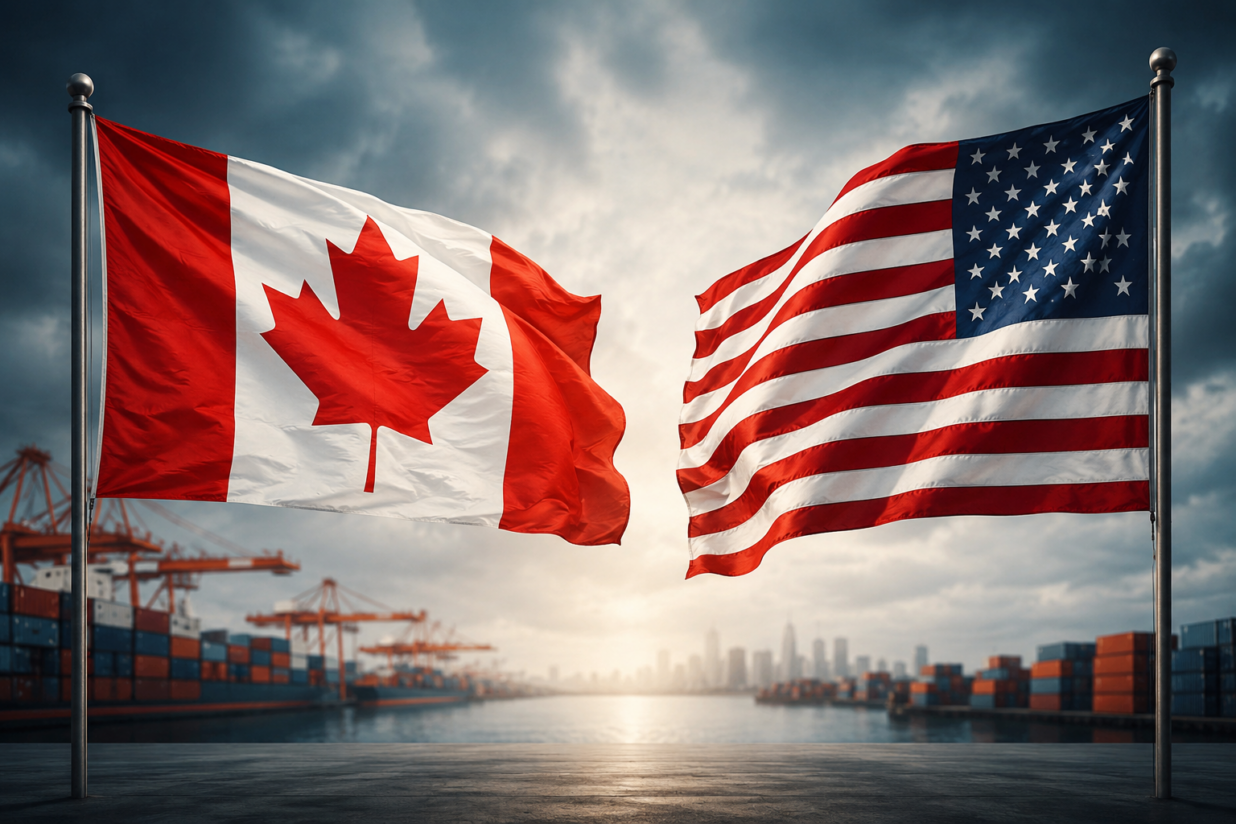
The Canada US economy war is putting pressure on both countries as trade tensions continue to rise. Canada sends about 70% of its goods to the United States, but Prime Minister Mark Carney still has several ways to respond to US tariffs.
Canada is the largest export market for 26 American states, including Michigan, Maine, and Wisconsin. It is in the top three markets for 45 of the 50 states, giving Ottawa some leeway to utilize trade and economic pressure.
Canada US economy war puts energy and minerals in focus
Canada contributes the majority of the US’s natural gas and power imports, as well as over 60% of its crude oil imports.
Carney has stated that reducing energy supplies is not part of Canada’s current policy. However, Canadian officials haven’t fully ruled it out. Ontario Premier Doug Ford has also hinted that an energy levy could be considered if the conflict escalates.
Canada is also a major supplier of potash, which is frequently used in fertilizers. The country possesses extensive reserves of important minerals such as lithium, nickel, and graphite. The United States is Canada’s largest resource export destination.
Ford has argued that the US could face problems if Canada chose to restrict access to some of these resources.
Canadian consumers have already hit US businesses
Following the initial round of US tariffs last year, most Canadian provinces banned American alcohol from government liquor stores.
The move had a significant impact on American wine and spirit exports. According to federal data, American wine shipments to Canada decreased 78% from the previous year, resulting in a $357 million loss in export value. American spirit exports decreased by more than 70%.
Alcohol prohibitions remain in effect in 11 of Canada’s 13 provinces and territories.
In April, Canadians traveled to the United States 800,000 fewer times than in the same month in 2024. The drop in travel is projected to have cost the United States approximately C$3.3 billion in income last year.
US elections could add pressure on Trump
Michigan and Maine are critical Senate battlegrounds, and both states have extensive trading ties with Canada.
Economists believe that the latest 50% tariffs on around $20 billion in Canadian imports might lower the country’s short-term GDP by 0.3% to 0.6%. Canadians are also expected to experience the impacts, although popular support for taking a stronger stance against Washington remains high.
A recent Angus Reid poll revealed that 76% of Canadians backed Ottawa’s decision to withdraw from trade talks.
The Yale Budget Lab forecasts that Trump’s current worldwide tariffs might cost American households $1,100 per year.
Ontario Premier Doug Ford has indicated that Canada’s retaliation could also target Republican-led states. He stated that the purpose was to have the dispute’s economic impact felt throughout the United States.
As a result of the trade war, both sides of the border are feeling the strain. Canada may be more reliant on the US market, but its energy supply, minerals, consumers, and close ties to many American states provide Ottawa significant leverage in the conflict.
- Join our whatsapp channel for daily updates.
- Follow tazatimesnews Telegram Channel for latest news alerts.
- Follow TazaTimesNews on TruthSocial for exclusive updates
- Also reads : Yogi Government Announces Free Bus Travel for Women on Raksha Bandhan