
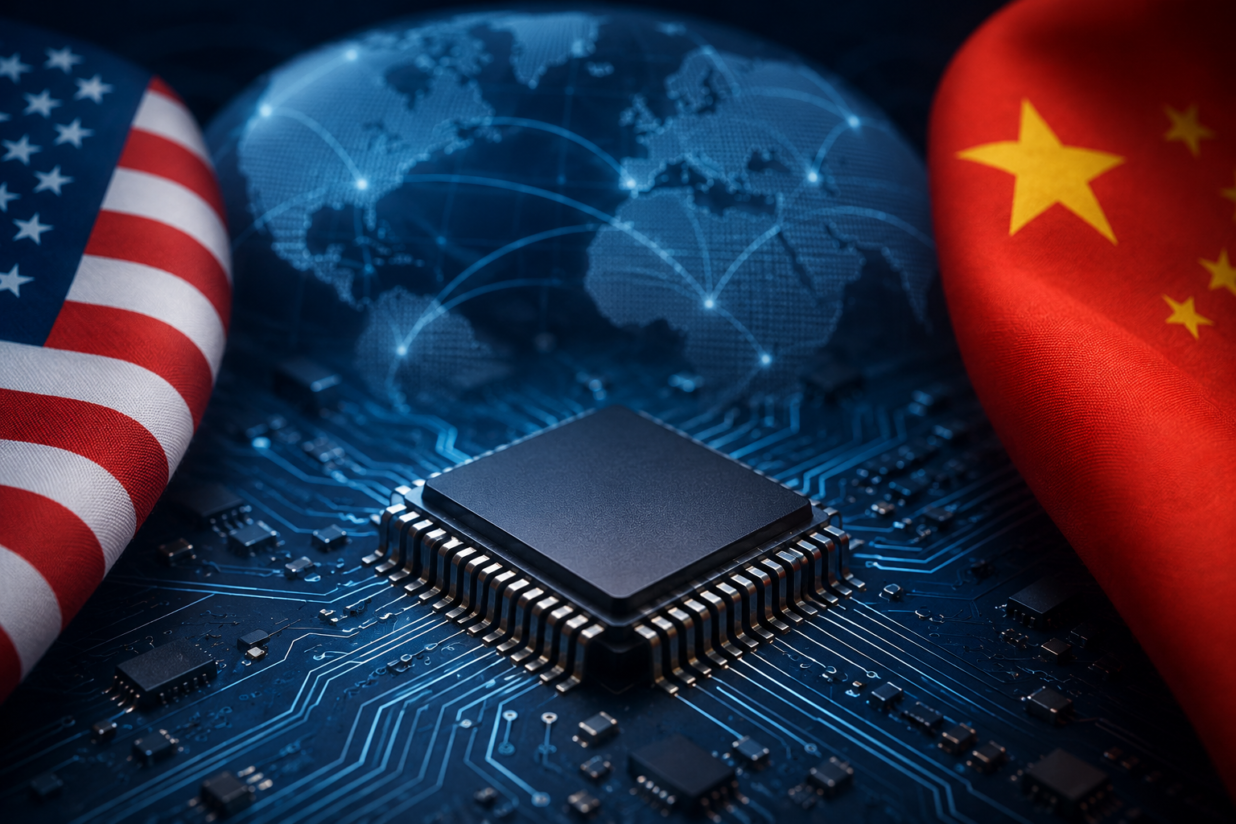
Semiconductor Security Rules : A bipartisan group of US lawmakers has called for stronger rules on foreign contract chip manufacturers who continue to deliver semiconductor devices to Chinese corporations, stepping up Washington’s attempts to preserve advanced technology and national security concerns.
The lawmakers argue that current export limits may be insufficient to prevent China from acquiring access to cutting-edge semiconductor technology through overseas manufacturing partners. Their proposal calls for stricter monitoring of global chip production networks, which might indirectly benefit Chinese technology corporations.
The current effort reflects rising worry in Washington about the role of advanced semiconductors in artificial intelligence, military systems, telecommunications, and next-generation computers. US officials have frequently said that blocking China’s access to advanced chip technology is a critical national security goal.
Several members of Congress have requested federal agencies to improve rules controlling chip manufacturing contracts and tighten limitations on companies that may assist Chinese firms in obtaining advanced semiconductor capabilities through indirect channels. The plan is part of a larger effort to remedy what lawmakers refer to as flaws in existing export-control policies.
Semiconductor Supply Chain Oversight Becomes Key Focus
The semiconductor business runs on a highly integrated global supply chain, with numerous companies designing chips and relying on specialized contract manufacturers to build them. U.S. senators are concerned that some of these deals would allow sensitive technology to reach groups that Washington considers strategic competitors.
According to legislative concerns, modern chipmaking equipment, technical assistance, and manufacturing skills are still key aspects in semiconductor production. Lawmakers have previously called for tighter regulations on both equipment exports and maintenance services given to Chinese semiconductor factories.
The latest push comes amid ongoing discussion about how to reconcile economic interests with national security needs. Every year, the semiconductor industry generates billions of dollars in global trade, with many manufacturers operating in numerous nations. Additional restrictions could have an impact on commercial connections across the technology industry.
According to industry observers, earlier US policies have curtailed access to several advanced chipmaking tools and production processes. However, politicians warn that loopholes still exist, necessitating more extensive legislation and better cooperation with allies.
Advanced Technology Protection Debate Intensifies
Supporters of tighter rules argue that stronger controls are required to maintain US leadership in new technologies such as artificial intelligence and high-performance computing. They believe that restricting access to vital semiconductor technologies will help them maintain a competitive advantage in future industries.
Critics, however, worry that new limitations might raise costs for global manufacturers, disrupt supply chains, and cause uncertainty for foreign businesses. Some business groups have previously voiced worry that overly broad limitations may have an impact on commercial competitiveness while not completely impeding technical innovation elsewhere.
The issue is certain to continue as lawmakers, regulators, and industry leaders assess the success of current semiconductor laws. With sophisticated chips playing such an important role in economic growth, artificial intelligence development, and national defense, decisions made in Washington might have far-reaching implications for the global technology landscape.
As the US and China continue to compete for technological superiority, semiconductor policy is expected to be one of the most keenly studied issues of international commerce and security in the coming years.
- Join our whatsapp channel for daily updates.
- Follow tazatimesnews Telegram Channel for latest news alerts.
- Follow TazaTimesNews on TruthSocial for exclusive updates
- Also reads : Oil Price Surge as US-Iran Tensions Disrupt Strait of Hormuz