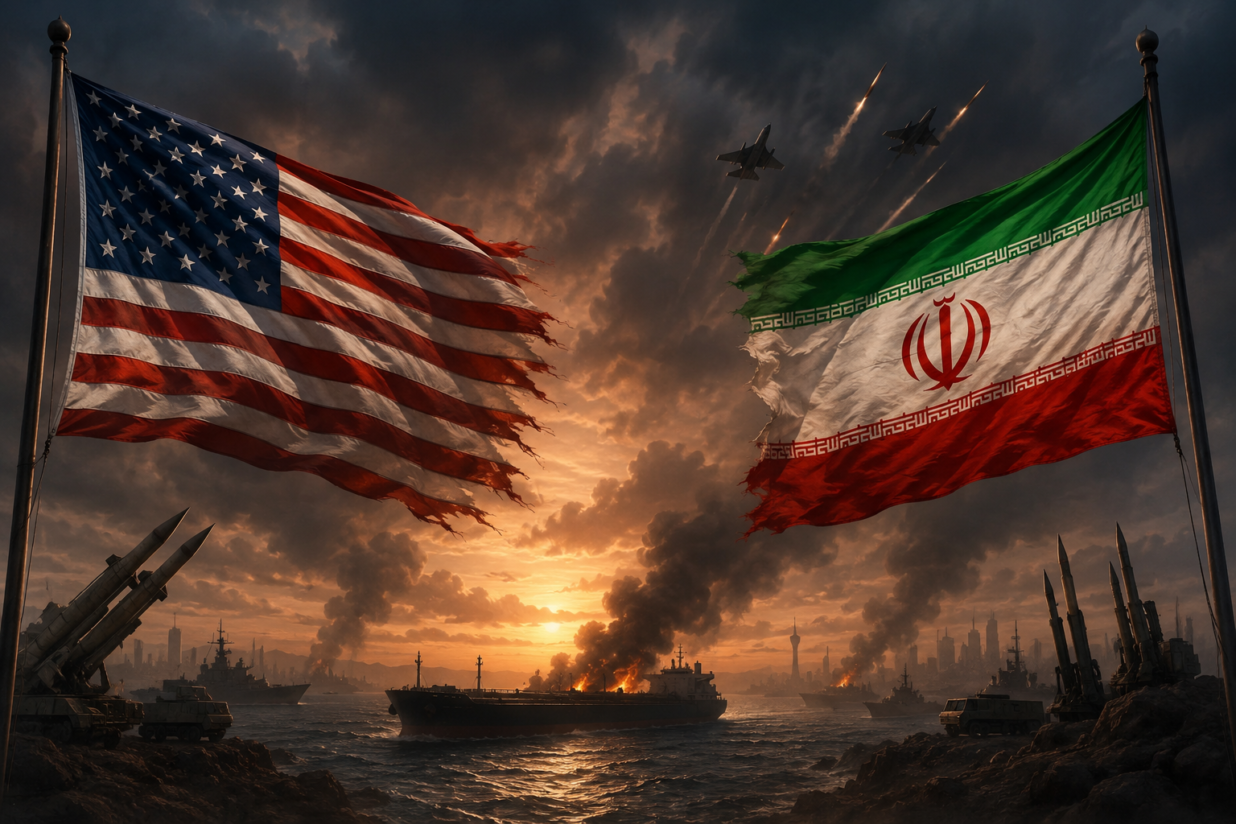
US-Iran Conflict : A new military confrontation in the Strait of Hormuz has put significant strain on the fragile ceasefire between the United States and Iran. The latest escalation began with an attack on a cargo ship, prompting Washington to initiate strikes against Iranian targets while Tehran threatened a huge response.
The episode has raised concerns that the temporary peace between the two countries would crumble, sparking a wider confrontation in the Middle East. The Strait of Hormuz is still a vital global shipping route, thus any military conflict in the region is concerning for international trade and energy markets.
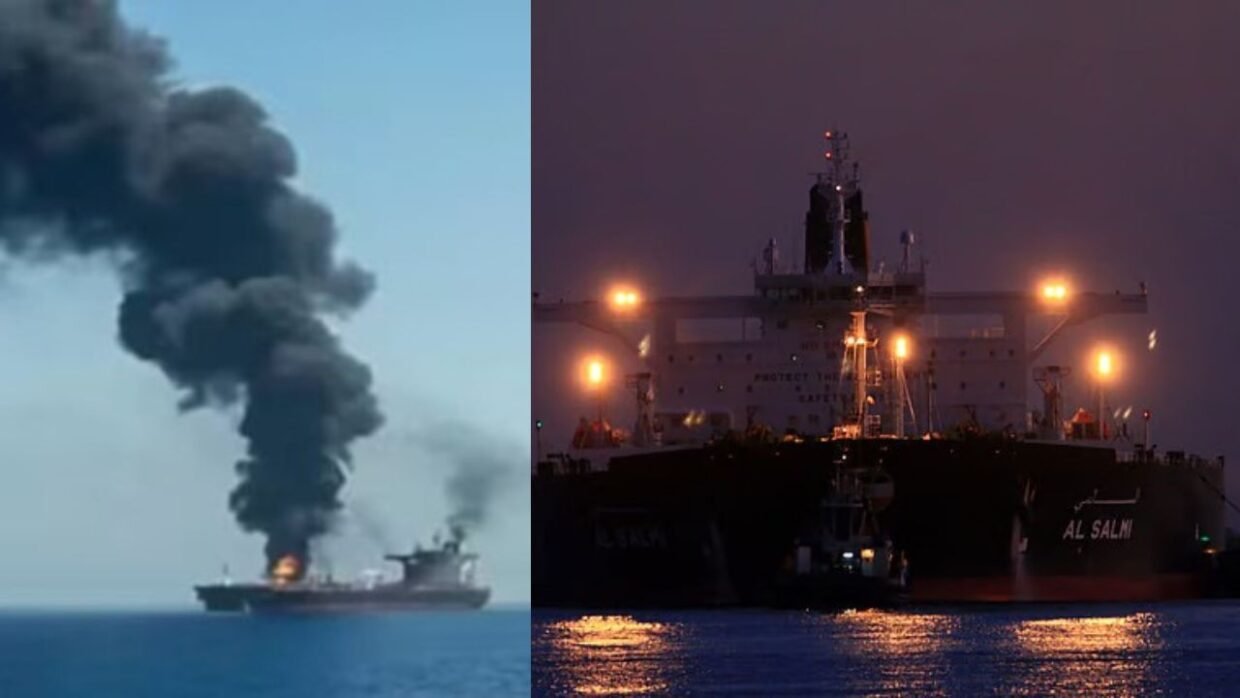
According to reports, the US military launched strikes on Iranian installations following a drone attack on a Singapore-flagged commercial vessel near the Strait of Hormuz. The US claimed the move was in response to threats to shipping security, but Iran accused Washington of breaking the ceasefire deal.
US-Iran Ceasefire Tensions Rise After Hormuz Military Exchange
The latest skirmish has raised concerns about the viability of the US-Iran ceasefire. Washington has declared that it will continue to safeguard commercial vessels and ensure regional security. US officials stated that the strikes targeted areas associated with missile, drone, and coastal monitoring capabilities.
Iran, on the other hand, has firmly denounced the US position and warned that it will respond to what it considers provocative moves. Tehran has continued to assert its authority to control activities in the Strait of Hormuz, a critical route for global oil trade.
The clash occurred at a crucial time, when both sides were attempting to maintain a truce following months of escalating tensions. The recent confrontation has raised concerns among regional governments that further military action may jeopardize diplomatic efforts.
International observers are intently monitoring the situation since any disruption in the Strait of Hormuz could have ramifications for maritime routes, fuel supply, and world markets. The canal is regarded as one of the world’s most vital energy corridors, with millions of barrels of oil passing through the region.
US-Iran Conflict Impact on Global Security and Energy Markets
The heightened tensions between Washington and Tehran have generated new risks to global security. Shipping businesses and governments are keenly monitoring developments, since any additional attack or military response might increase the risks for commercial vessels operating in the Gulf region.
The US has maintained that its military steps were essential to prevent further attacks, whilst Iran has pledged a “unprecedented” response to what it views hostile moves. The exchange of warnings demonstrates that the ceasefire is unstable and subject to fresh occurrences.
Experts feel that the coming days will be critical in determining whether both sides return to negotiations or enter another period of conflict. Regional countries have also urged care to avoid the situation escalating into a broader catastrophe.
The current developments show how rapidly tensions can escalate despite diplomatic accords. The US and Iran are now under pressure to prevent further escalation while safeguarding their strategic interests in the area.
- you join our whatsapp channel
- you join our tazatimesnews Telegram Channel
- you join our tazatimesnews truthsocial.com Channel
- Also reads : New York City Rent Freeze Approved for Nearly One Million Apartments