Trump Utah National Monuments : US President Donald Trump has signed new proclamations that significantly reduce the size of two major national monuments in Utah, reopening large areas of federal land for potential development and resource use. Supporters say the decision will encourage economic growth and restore local control, while environmental groups and Native American tribes argue it puts valuable cultural and natural heritage at risk.
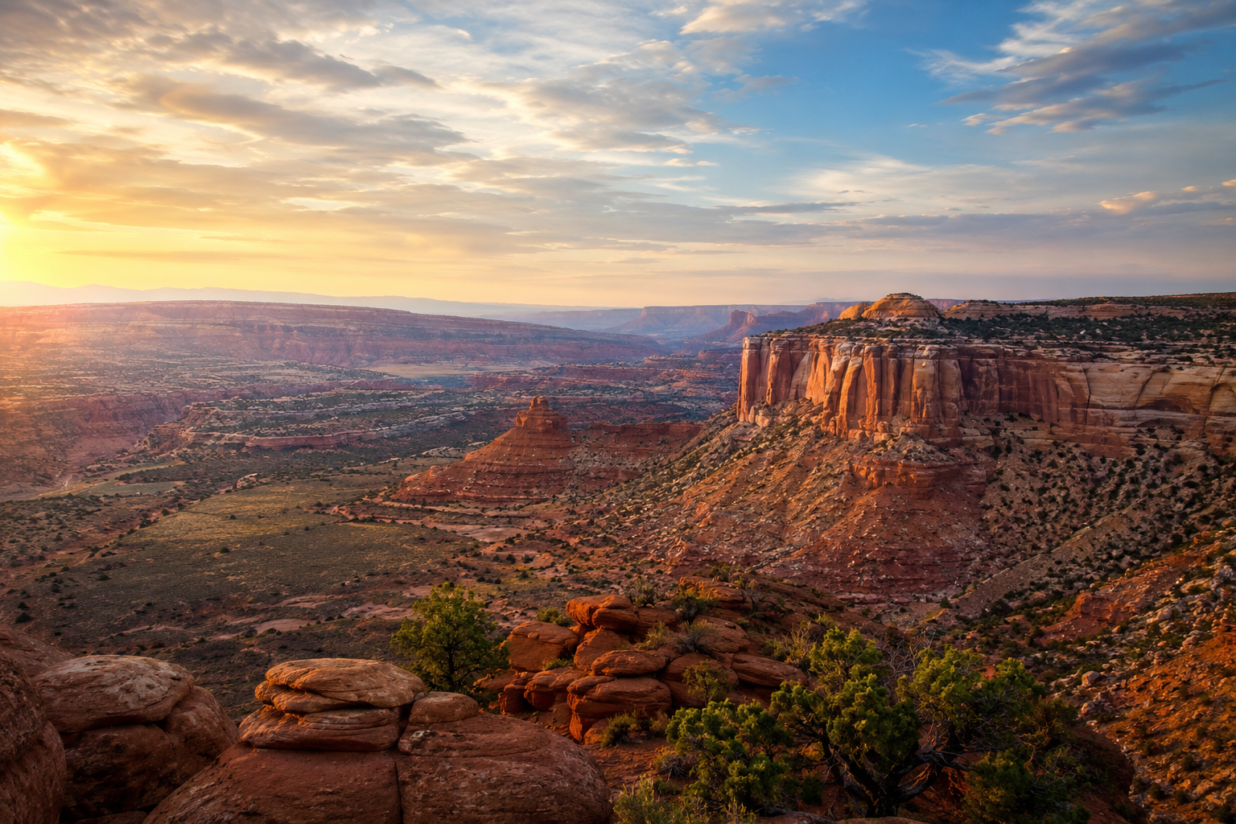
The order pertains to the Bears Ears and Grand Staircase-Escalante National Monuments, two protected sites that have long been the subject of political and legal controversy in the United States about conservation and public land management.
Trump Utah National Monuments Order Reopens Land for Development
President Trump announced the decision alongside Utah Governor Spencer Cox and Republican Senators Mike Lee and John Curtis. The administration stated that the revisions are designed to restore access to land for grazing, logging, mining, motorized recreation, and other activities that were previously restricted under monument designations.
Under the new proclamations, Bears Ears National Monument will be downsized from around 1.36 million acres to approximately 121,100 acres. The Grand Staircase-Escalante National Monument will shrink from nearly 1.87 million acres to around 181,500 acres. Together, the cutbacks eliminate federal monument protection from more than 90% of the acreage originally included in the two sites.
The White House and Utah Republican leaders contended that the original monument limits were far too big to safeguard significant historical and environmental assets. They believe that local communities should have more possibilities to benefit from appropriate land use, energy projects, and resource development.
The monument limits have modified several times in the past. Protected areas were drastically reduced during Trump’s first administration before being restored to their original bounds by President Joe Biden in 2021. The most recent decision, which once again defies federal land policy, is largely likely to spark another judicial challenge.
Trump Utah National Monuments Move Faces Tribal and Environmental Opposition
Native American tribes, conservation organizations, and Democratic senators have all immediately criticized the decision. Many tribe leaders regard Bears Ears as a holy region with thousands of archaeological sites, ancient rock art, ceremonial sites, and cultural and historical value.
Environmental groups expressed concern that removing protections could expose delicate ecosystems, wildlife habitats, fossil sites, and cultural assets to future industrial activities. Several organizations have already stated that they intend to challenge the proclamations in federal court, claiming that presidents do not have the right to make such broad reductions under the Antiquities Act.
Democratic Senator Martin Heinrich slammed the decision, claiming it prioritizes economic interests over public lands and tribal history. Conservationists were also concerned that allowing more land for mining and energy development would irreversibly damage landscapes that had been preserved for decades.
However, supporters of the administration’s decision argue that expanding access to public lands will enhance local economies, create jobs, and improve land management. Utah leaders have long complained that federal limitations hampered economic potential in neighboring cities.
The most recent policy move is projected to exacerbate the long-running dispute over conservation, tribal rights, and economic development in the United States. As legal challenges continue, the future management of Utah’s protected public lands may once again be decided in federal court, making President Trump’s Utah national monuments order one of the country’s most carefully followed environmental policies.
- Join our whatsapp channel for daily updates.
- Follow tazatimesnews Telegram Channel for latest news alerts.
- Follow TazaTimesNews on TruthSocial for exclusive updates
- Also reads : Goldman Sachs Says Japan Leads Asia’s Buyout Opportunities as Private Equity Activity Grows