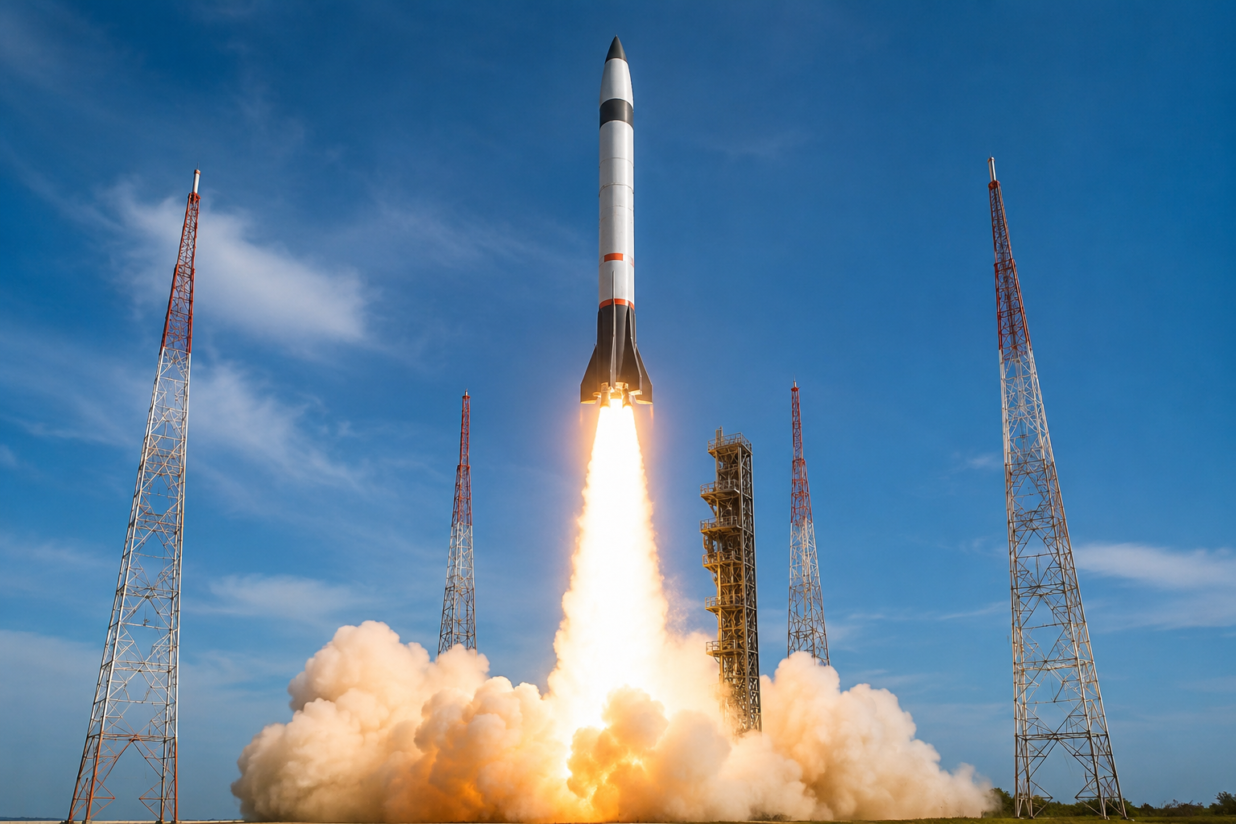
Skyroot Vikram-1 Successfully Lifts Off : Skyroot Aerospace, based in Hyderabad, successfully launched Vikram-1, the country’s first privately developed orbital rocket, marking a significant milestone in India’s space journey. Mission Aagaman launched from the Satish Dhawan Space Centre in Sriharikota on July 18, marking a key milestone for India’s developing private space industry and opening up new avenues for commercial space missions.
The launch occurred at 11:30 AM IST and was live streamed on Skyroot Aerospace’s official digital platforms, allowing thousands of people around the country to witness the historic occasion. Space enthusiasts, students, researchers, and industry specialists all paid close attention to the mission, which marks a new chapter in India’s increasing commercial space ambitions.
India’s First Private Space Rocket Vikram-1 Marks a Historic Step
Vikram-1 was designed to launch tiny satellites into Low Earth Orbit, thereby meeting the growing global demand for low-cost satellite launch services. The rocket, created by former ISRO engineers who launched Skyroot Aerospace, illustrates India’s expanding capabilities in commercial space technology.
Mission Aagaman was more than just a launch; it also served as a crucial technological demonstration for the company’s future commercial operations. The successful mission validated several critical systems, including propulsion, guidance, navigation, and flight performance, providing useful information for future launches.
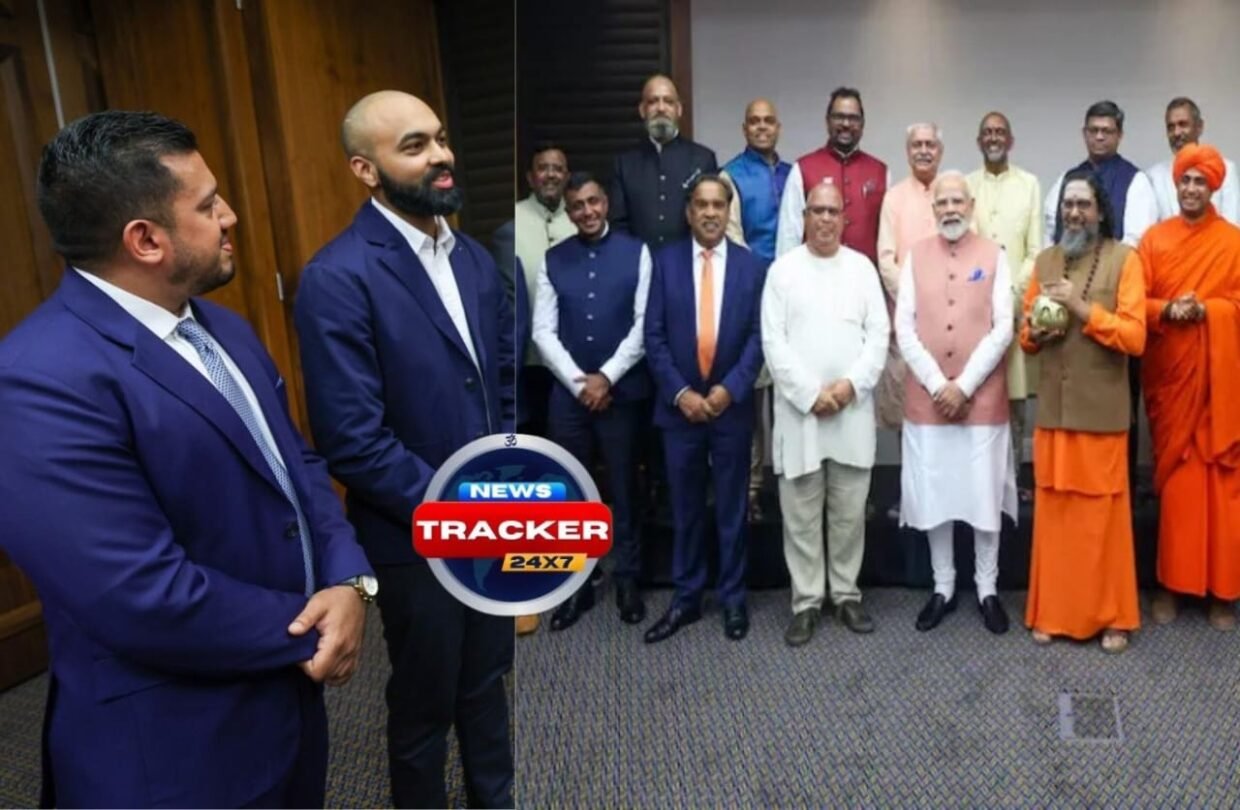
The rocket carried several technology demonstration payloads from Indian and international partners. Along with scientific payloads, it also carried symbolic objects commemorating India’s space adventure, such as handwritten greetings from fans. Prime Minister Narendra Modi’s handwritten “Vande Mataram” postcard was one of the precious mementos taken aboard the expedition.
Private Space Mission Vikram-1 Opens New Opportunities
The successful flight is intended to boost trust in India’s commercial aerospace sector and stimulate more investment in space technology businesses. It also strengthens India’s position in the rapidly expanding global small satellite launch sector, where demand for low-cost launch services is increasing.
Although the mission accomplished its primary goal, engineers will continue to examine flight data collected at each stage of the launch. Data from the first orbital trip will be used to improve future rockets, payload deployment systems, and commercial launch capabilities.
Skyroot Aerospace first made history in 2022 by launching the Vikram-S suborbital rocket. The successful launch of Vikram-1 is the company’s proudest achievement thus far, highlighting the rapid rise of India’s private space economy.
Industry experts feel the mission highlights India’s growing technological capability as well as the successful coordination between government agencies and business innovators. The accomplishment is likely to inspire additional entrepreneurs, attract international partnerships, and propel the country’s commercial space goals.
With thousands of people following the event live, Mission Aagaman has become one of India’s most significant accomplishments in the private space sector. Vikram-1’s accomplishment is expected to pave the way for further commercial launches, boost India’s worldwide footprint in the space industry, and open up new chances for innovation in the coming years.
- Join our whatsapp channel for daily updates.
- Follow tazatimesnews Telegram Channel for latest news alerts.
- Follow TazaTimesNews on TruthSocial for exclusive updates
- Also reads : New Expressway: Beginning in February, vehicles on the Delhi-Dehradun Expressway will go at full speed.