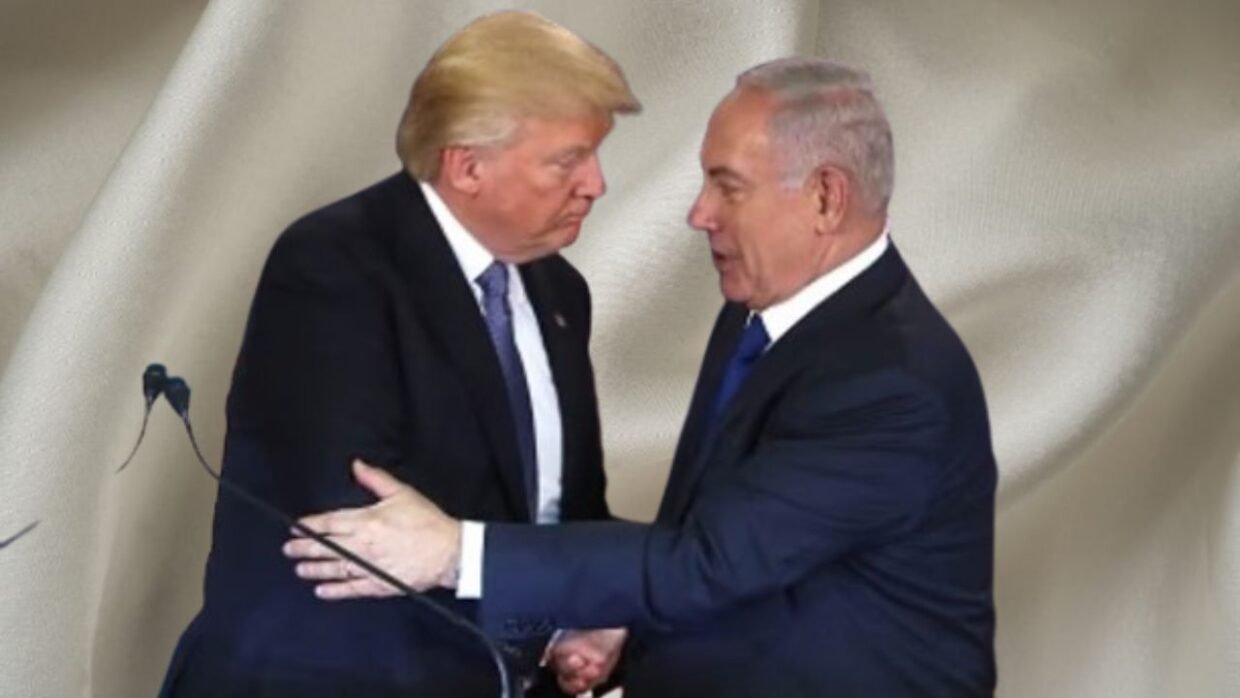
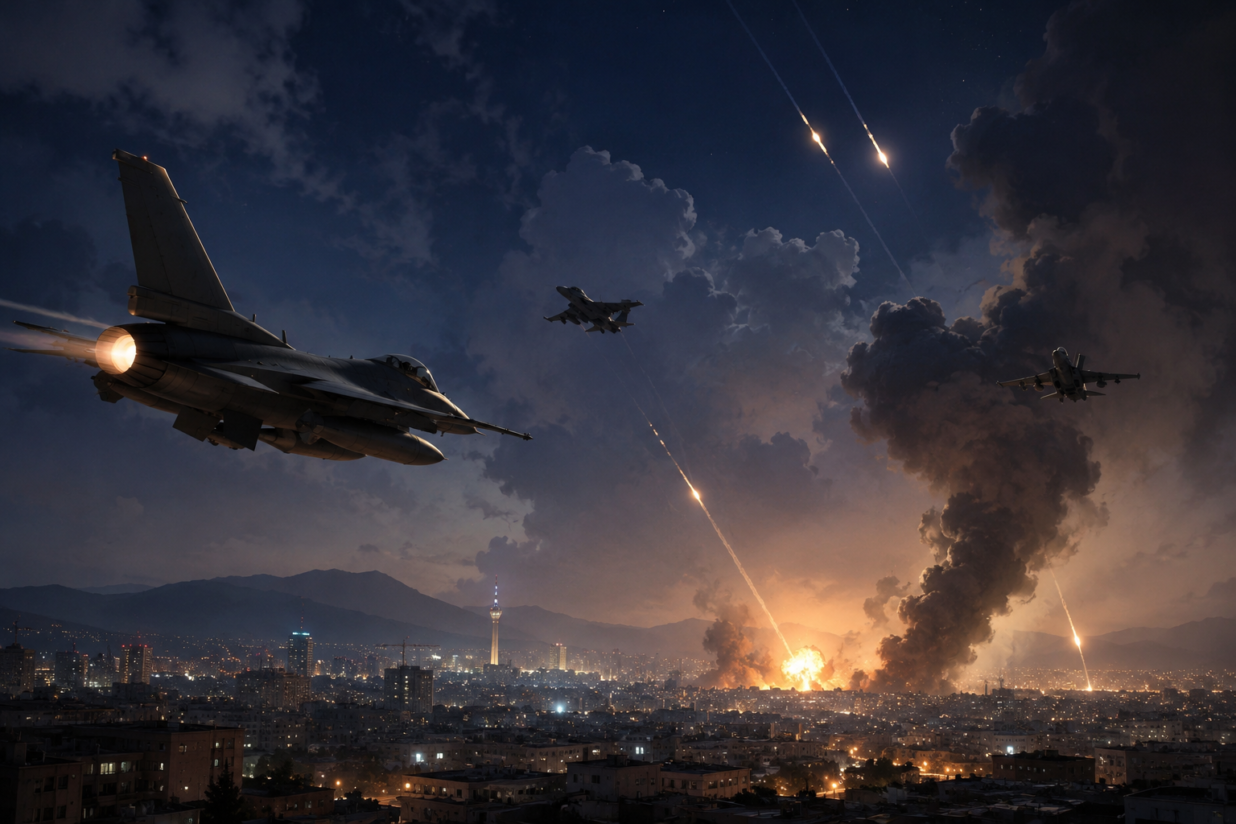
US-Iran Conflict: The United States began another round of military attacks on Iran, marking the seventh night of operations in an expanding conflict that has sparked worry throughout the Middle East. The latest attacks were carried out under President Donald Trump’s orders, as Washington stated that it was continuing attempts to degrade Iran’s military capabilities. At the same time, the escalating confrontation has raised concerns about a larger regional catastrophe, with Iran responding with assaults on US allies and vital places.
According to the US Central Command (CENTCOM), the most recent operation featured fighter planes, drones, battleships, and other military assets. Officials stated that the strikes targeted monitoring facilities, military logistical networks, underground weapons storage sites, and maritime capabilities related to Iran’s defense operations. However, the US military did not immediately give additional details about the precise sites or the extent of the damage caused by the attacks.
US-Iran Conflict Enters a Critical Phase
The latest military assault represents the longest continuous run of US strikes against Iran since the conflict escalated. Washington claims that the activities are intended to reduce Iran’s military capability while preserving US interests and regional partners.
The ongoing bombing campaign comes amid rising tensions over security in the Strait of Hormuz, one of the world’s most crucial oil transportation routes. Any regional disruptions could have an impact on global energy supplies and international markets.
Iran has publicly condemned the assaults and has continued its retaliation against countries that host US military sites. According to reports, missile and drone attacks have been launched against Gulf nations such as Bahrain, Kuwait, Qatar, and Jordan. Regional governments have tightened security measures as fears of further conflict escalate.
According to military analysts, the continued exchange of attacks underscores the growing potential of a larger regional confrontation if diplomatic efforts to deescalate tensions are unsuccessful.
Growing US-Iran Conflict Raises Global Concerns
The most recent developments have drew international attention as countries monitor the quickly changing security environment. Energy markets have reacted to the uncertainty, with oil prices rising on concerns that shipping through the Strait of Hormuz may be disrupted further. The canal transports a large portion of the world’s crude oil exports, hence regional stability is critical to the global economy.
Despite the ongoing military operations, diplomatic avenues have not totally closed. International organizations and numerous governments have called for moderation, warning that protracted military action might exacerbate humanitarian dangers and destabilize the Middle East.
Defense experts believe that both Washington and Tehran are attempting to enhance their strategic positions while preventing an uncontrolled development of the conflict. However, each new transaction adds uncertainty and puts greater strain on regional security.
The eighth consecutive night of U.S. attacks shows that the conflict is far from done. Whether the situation progresses toward discussions or additional military escalation will be determined by political decisions made in future days. For the time being, the conflict is still having an impact on regional stability, international diplomacy, and global financial markets.
- Join our whatsapp channel for daily updates.
- Follow tazatimesnews Telegram Channel for latest news alerts.
- Follow TazaTimesNews on TruthSocial for exclusive updates
- Also reads : New Expressway: Beginning in February, vehicles on the Delhi-Dehradun Expressway will go at full speed.