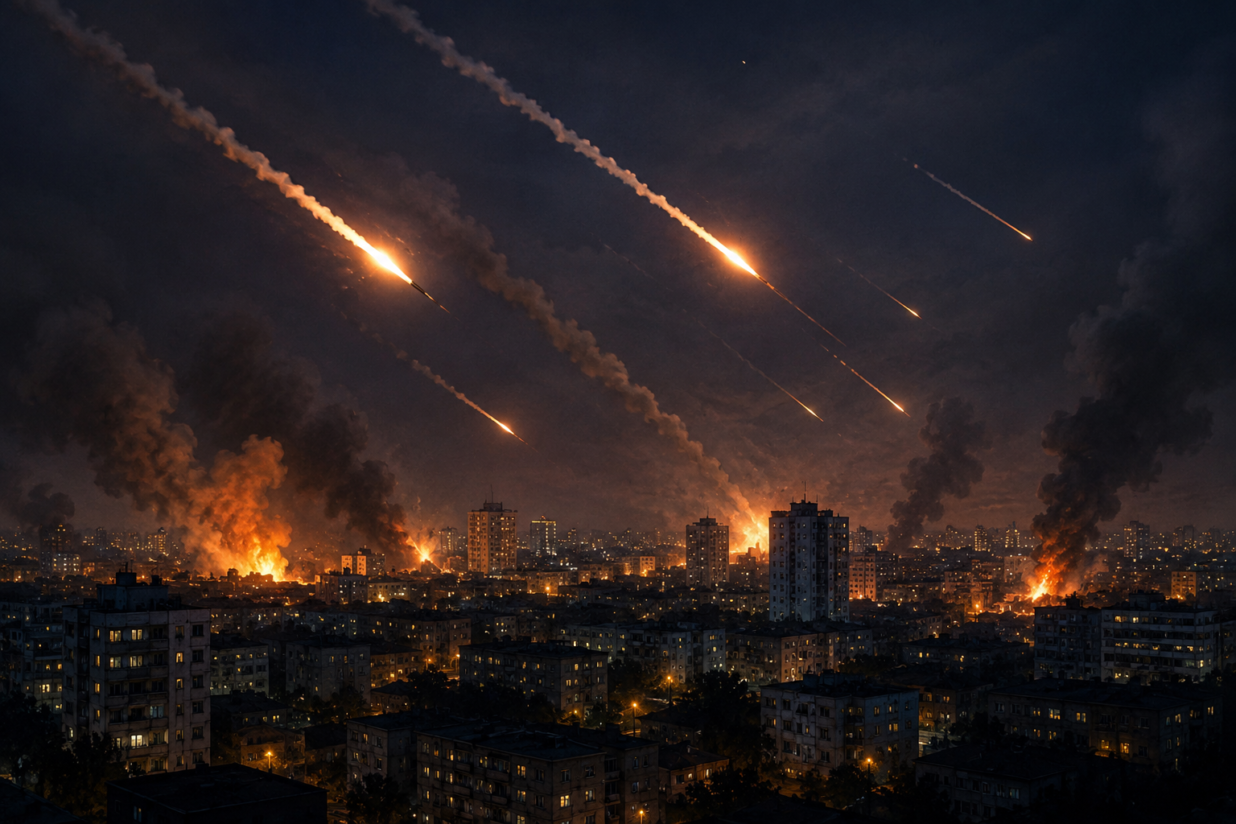
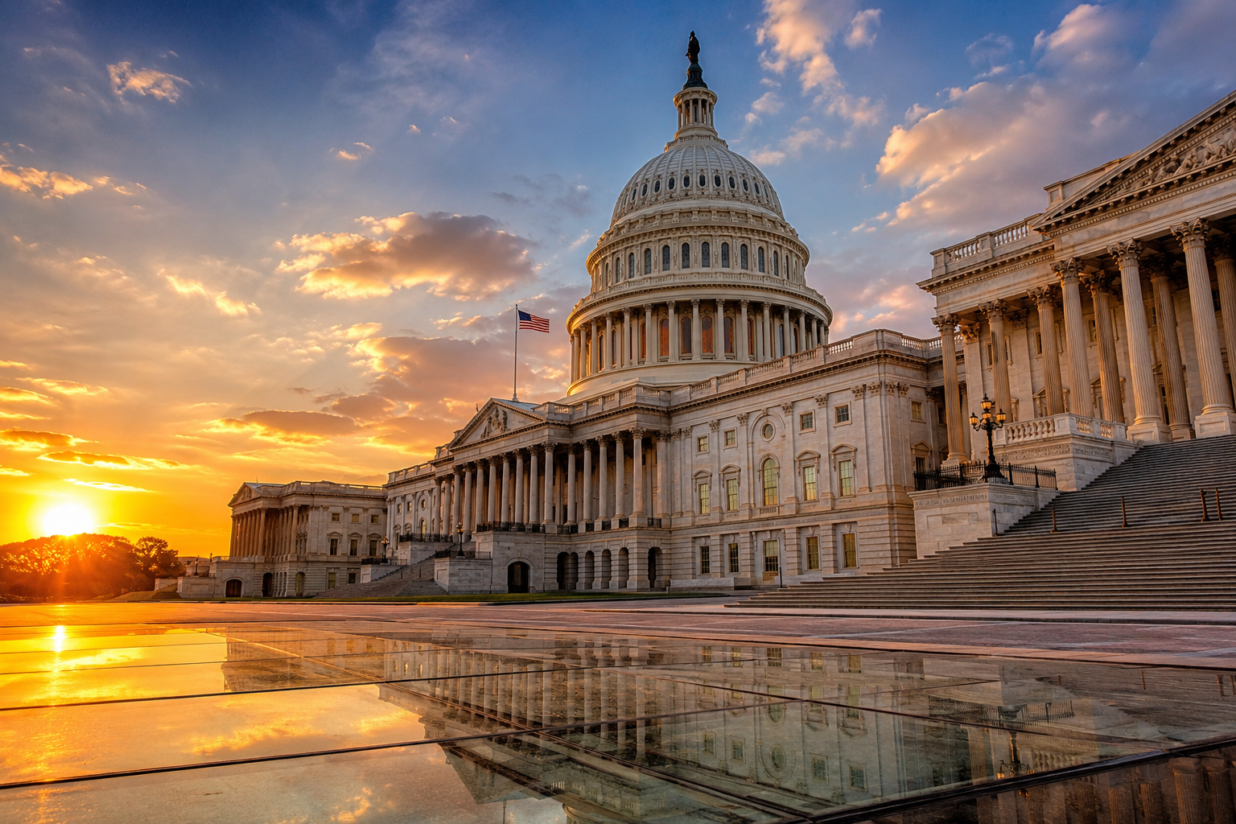
The United States Senate has adopted a significant sanctions package aimed at Russia and its energy trade, moving the Russia Energy Sanctions measure one step closer to becoming law. The proposal, which seeks to put economic pressure on Moscow over the Ukraine conflict, has now been submitted to the House of Representatives, where it is expected to be debated further.
On Friday, August 7, the Senate passed the Lindsey O. Graham Sanctioning Russia and Iran Act of 2026 by an 86-11 bipartisan vote. The bill had been blocked for more than a year since its introduction in April 2025.
The measure targets Russian officials and aims to diminish Moscow’s income from oil and gas exports. It also includes additional penalties against Iran, which President Donald Trump supports.
Russia Energy Sanctions Aim to Increase Pressure on Moscow
The Russia Energy Sanctions bill includes a new tariff authority that allows the president of the United States to impose tariffs of up to 100% on countries who continue to purchase big volumes of Russian oil and gas.
If the legislation is adopted by the House and signed into law, it might have an impact on large Russian energy purchasers such as India, Japan, and numerous European Union countries. The purpose is to raise the cost of Russian energy imports and limit revenue that supports Russia’s military effort.
Supporters of the law argue that the tariff authority has a constrained scope. According to senators who support the bill, it would largely target the five largest importers of Russian crude oil or gas, as well as countries that help Russia dodge existing energy restrictions.
Senator Jeanne Shaheen, the top Democrat on the Senate Foreign Relations Committee, has urged senators to approve the bill. She said that the tariffs would raise the cost of acquiring Russian energy, making it more difficult for Moscow to support its military actions.
Ukrainian President Volodymyr Zelenskiy has also praised the suggestion, stating that tougher sanctions might erode Russia’s financial resources while demonstrating the United States’ sustained support for Ukraine and its European allies.
Russia Energy Sanctions Face Challenges in the House
Despite an overwhelming Senate vote, the Russia Energy Sanctions bill’s fate is uncertain. Republicans have a slim majority in the House, and some lawmakers have expressed reservations about the economic impact of the proposed tariff measures.
Critics fear that increased tariffs might raise expenses for American firms and consumers. Republican Senator Rand Paul was the sole Republican senator who voted against the final legislation.
Before the final vote, the Senate rejected an amendment proposed by Paul and Democratic Senator Ron Wyden that would have eliminated the tariff measures from the Act. Tariffs, Paul suggested, may operate as levies on American consumers and would not be sufficient to terminate Russian President Vladimir Putin’s war in Ukraine.
What Happens Next?
Following its summer recess, the House of Representatives is set to discuss the Russia Energy Sanctions Bill. Lawmakers will most likely argue whether raising pressure on Russia outweighs the potential economic effects of larger penalties.
If the House passes the legislation and President Trump puts it into law, it might be one of the most aggressive US initiatives to attack Russia’s energy trade and the countries that continue to buy Russian oil and gas.
For Ukraine, the bill might put additional economic pressure on Moscow. The planned penalties may pose new financial and diplomatic hurdles for Russia and its major energy clients, as well as reshape global energy trading relations.
- Join our whatsapp channel for daily updates.
- Follow tazatimesnews Telegram Channel for latest news alerts.
- Follow TazaTimesNews on TruthSocial for exclusive updates
- Also reads : FIFA Governance Crisis: Infantino and FIFA Show Unity After Emergency Stake Sale Meeting