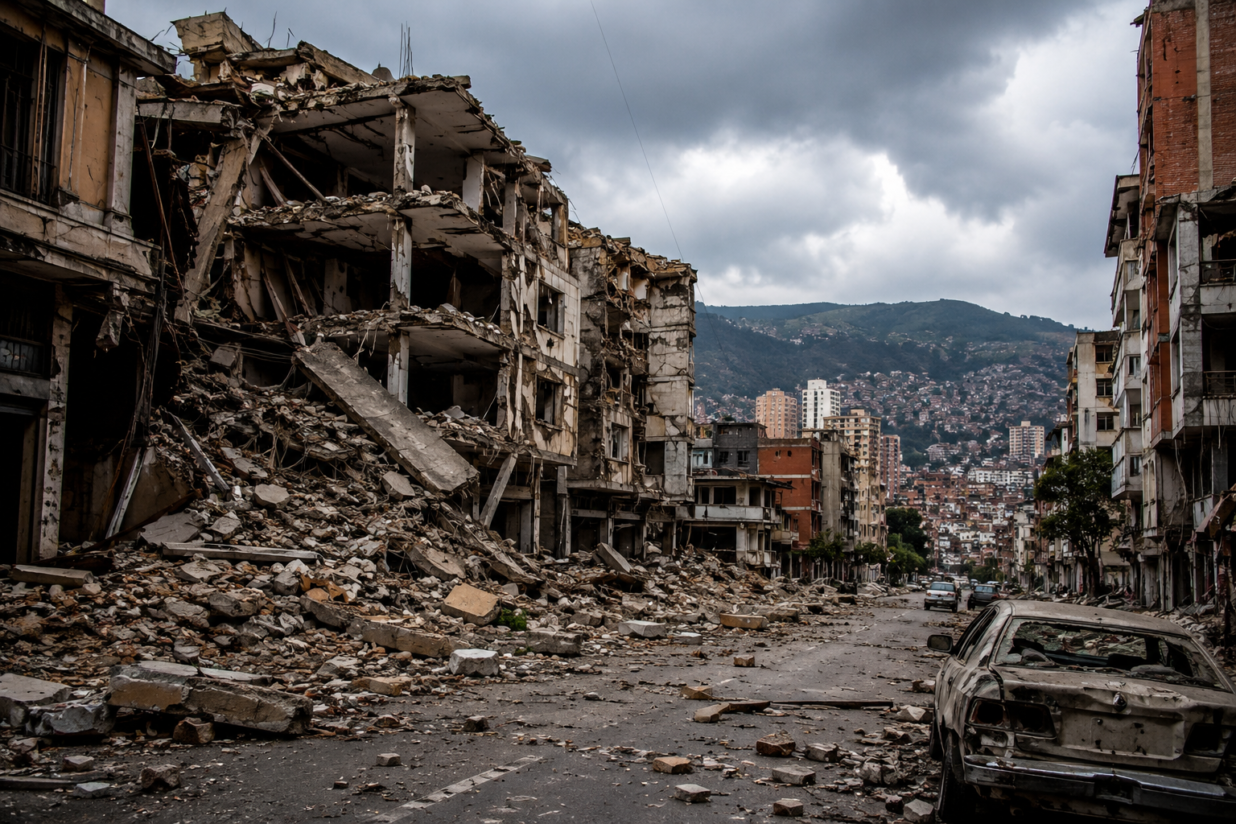

Mali Airport Attack : On Saturday, Islamic terrorists and separatist forces attacked important sites in Mali. The raids targeted the capital, Bamako, as well as many locations throughout the country. The Malian army reported armed “terrorist” cells targeting specific places and facilities. Soldiers fought back and later said the situation was under control.
JNIM, an al-Qaida-linked outfit, claimed responsibility on its Azallaq website. It said that the strikes targeted Bamako’s international airport and four other locations. JNIM also stated that it worked with the Azawad Liberation Front. The Tuareg-led organization is tied to separatist demands in northern Mali.
Coordinated Terror Hits Mali Capital and Key Cities
Mali experienced a significant security shock on April 25, 2026, when armed militant organizations conducted coordinated attacks in numerous areas, including the capital Bamako and neighboring airport zones. The strikes hit military bases, important installations, and metropolitan areas all at once, causing panic among inhabitants.
Heavy gunfire and explosions were heard near the main international airport and military bases. Witnesses described chaotic events in which security forces moved rapidly to manage the situation. Authorities eventually established that the attacks were carried out by extremist groups affiliated with Al-Qaeda and regional separatists.
Bamako Airport Attack Linked to JNIM and Azawad Front
The attack is thought to be a combined effort of Jama’at Nusrat al-Islam wal-Muslimin (JNIM) and the Azawad Liberation Front (FLA). These groups have been operating in Mali for several years and are now demonstrating greater coordination.
According to reports, militants aimed to undercut government control by attacking major targets such as airports and military bases. Some claims even indicated temporary control of parts in northern regions such as Kidal and Gao, though this has yet to be substantiated.
Security analysts believe this level of coordination heralds a new phase of insurgency in the Sahel region, raising concerns about long-term stability.
Army Response: Situation Under Control but Tension Remains
The Malian army responded promptly, claiming that the situation is now under control, while operations are still underway. Security officers reportedly neutralized a large number of terrorists and initiated search operations throughout the impacted districts.
Despite this, the scope of the attack has revealed significant security vulnerabilities. Several countries also issued safety warnings, recommending citizens to avoid travel and stay indoors.
Positive Sign: Strong Resistance Prevents Bigger Damage
While the attacks were intense, the government’s rapid response spared considerably more devastation. Airports were briefly shut down, and emergency steps were implemented to protect civilians.
Experts believe that better coordination among security personnel helped prevent extremists from seizing complete control of critical infrastructure.
Negative Impact: Rising Fear and Regional Instability
This incident demonstrates the growing threat of terrorism in West Africa. Mali has been waging an insurgency since 2012, and such large-scale strikes demonstrate that extremist networks remain powerful.
The attack may also have an impact on foreign tourism, investment, and regional peace efforts, particularly given that various armed factions appear to be cooperating.
Final Insight
The attack on the Bamako airport serves as a reminder that Mali’s security situation remains unstable. While the army was able to contain the crisis, the growing collaboration of extremist and separatist groups is a severe warning sign for the future.
- Join our whatsapp channel for daily updates.
- Follow tazatimesnews Telegram Channel for latest news alerts.
- Follow TazaTimesNews on TruthSocial for exclusive updates
- Also reads : Netanyahu Confirms Steps Taken Toward Israel-Lebanon Peace Talks