
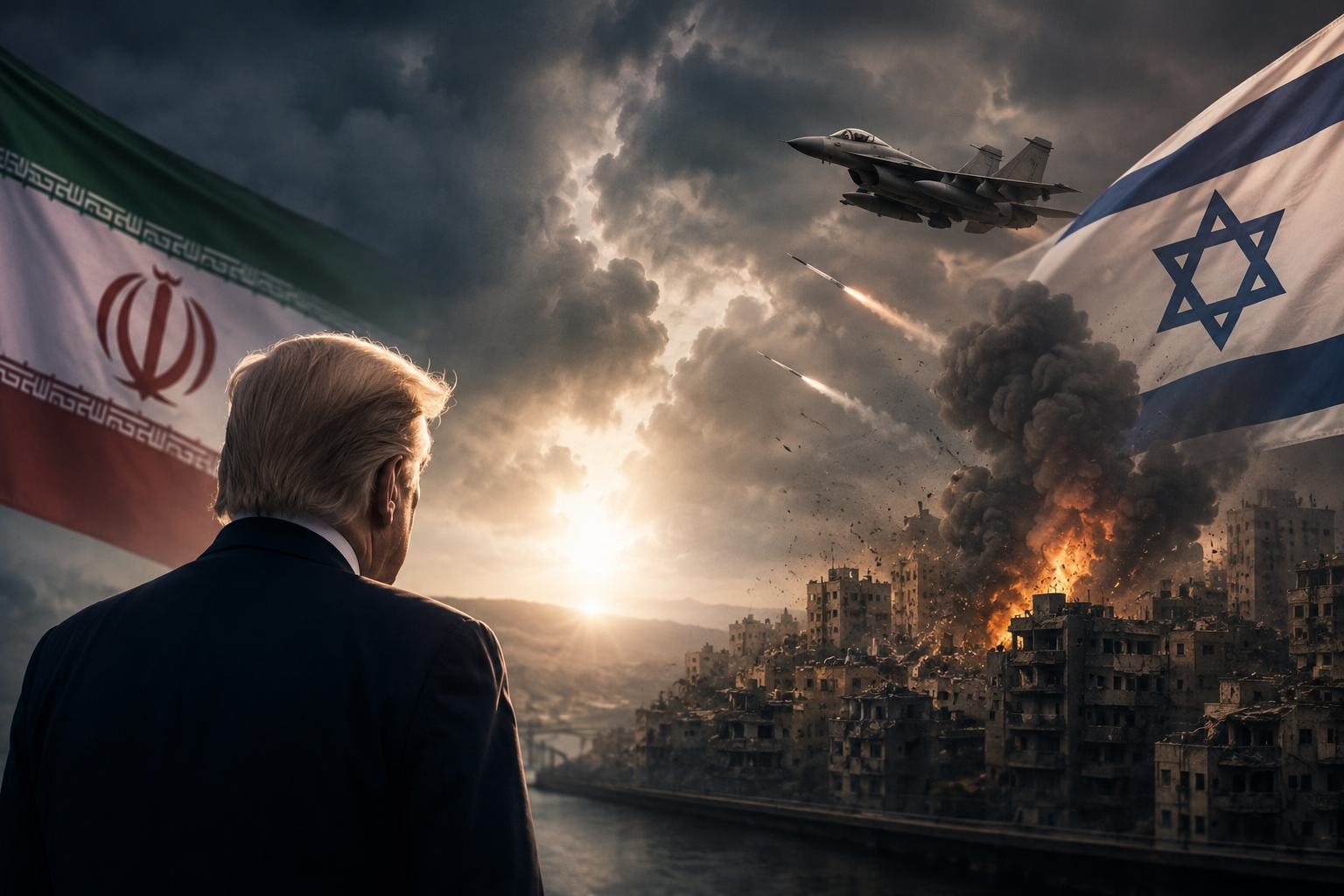
Iran War Tension May Ease: Fresh diplomatic signals from the United States and Iran have fuelled optimism for a possible accord to decrease the Middle East war. However, the situation remains dangerously precarious as Israeli airstrikes hit Beirut once more, raising concerns of wider regional conflict. The recent developments have refocused global attention on the escalating Iran-Israel conflict and its implications for Gulf security, oil markets, and civilian safety.
US President Donald Trump said talks with Iran were going well and that a deal was “very possible.” According to reports, Washington and Tehran are considering a plan to reduce military tensions and reopen conversations on critical security problems. Iranian authorities stated that the plan is still being reviewed, and a final response will be given through diplomatic mediators.
Despite diplomatic activity, Israel launched fresh strikes on Beirut’s southern suburbs, targeting positions linked to Hezbollah. The attacks were one of the most dramatic escalations in Lebanon since the tenuous ceasefire began earlier this year. Lebanese officials cautioned that further assaults could jeopardize regional peace efforts and exacerbate civilian suffering.
Iran War negotiations continue as Middle East violence spreads
Since tensions erupted earlier this year, the battle between Iran, Israel, and regional armed organizations has already inflicted significant destruction in multiple nations. Military operations, missile attacks, and drone strikes have disrupted trade lines and raised fears among Gulf states that rely on steady marine security.
Trump recently said that the war may be ended quickly if Tehran accepts requirements such as security guarantees and limits on military activities. According to reports, diplomats are negotiating a temporary agreement that might halt hostilities until major nuclear negotiations can begin.
Iran’s Foreign Ministry spokesman, Esmaeil Baghaei, claimed that Tehran is carefully considering the American proposal and has yet to make a final decision. Iranian leaders have repeatedly accused the US and Israel of escalating tensions through military and economic sanctions.
At the same time, Israel says it would continue to target Hezbollah and other Iran-backed groups it considers security threats. Israeli officials defended the Beirut hit, stating that militant commanders are still active in southern Lebanon. The most recent attack reportedly destroyed structures in the Haret Hreik neighborhood, prompting concern among inhabitants already impacted by months of conflict.
Middle East Iran War crisis affects oil trade and global markets
The prolonged fighting has also raised huge concerns about maritime and oil supply routes through the Strait of Hormuz. International shipping corporations continue to constantly monitor the situation, since commercial vessel threats remain a major concern. Oil prices have fluctuated in recent weeks due to uncertainty over Gulf security.
Several countries, notably Pakistan and China, are apparently assisting diplomatic efforts between Washington and Tehran. Analysts believe international pressure to de-escalate is growing because further escalation might harm the global economy and increase instability in the Middle East.
Political commentators believe that the coming days will be vital to the region’s future. If negotiations succeed, tensions may be reduced momentarily. However, continuous military operations in Lebanon and threats tied to Iran’s regional allies may keep the conflict alive despite diplomatic efforts.
- Join our whatsapp channel for daily updates.
- Follow tazatimesnews Telegram Channel for latest news alerts.
- Follow TazaTimesNews on TruthSocial for exclusive updates
- Also reads : Trump Iran Conflict : Trump Says Iran Conflict Nearing End, Claims Tehran Eager for Deal