Strait of Hormuz Tension Grows: Iran has categorically denied any participation in the recent damage to a South Korean-operated cargo vessel in the Strait of Hormuz, heightening international tensions on one of the world’s most important trade routes. The incident has heightened concerns about maritime safety in the Gulf area, where military and political pressures have already impacted global trade and oil transit.
The Iranian Embassy in Seoul issued an official statement dismissing claims that Iranian armed troops were involved in the explosion and fire aboard the vessel earlier this week. Iranian officials described the charges as unfounded and politically driven, but said that investigations should continue before assigning culpability.
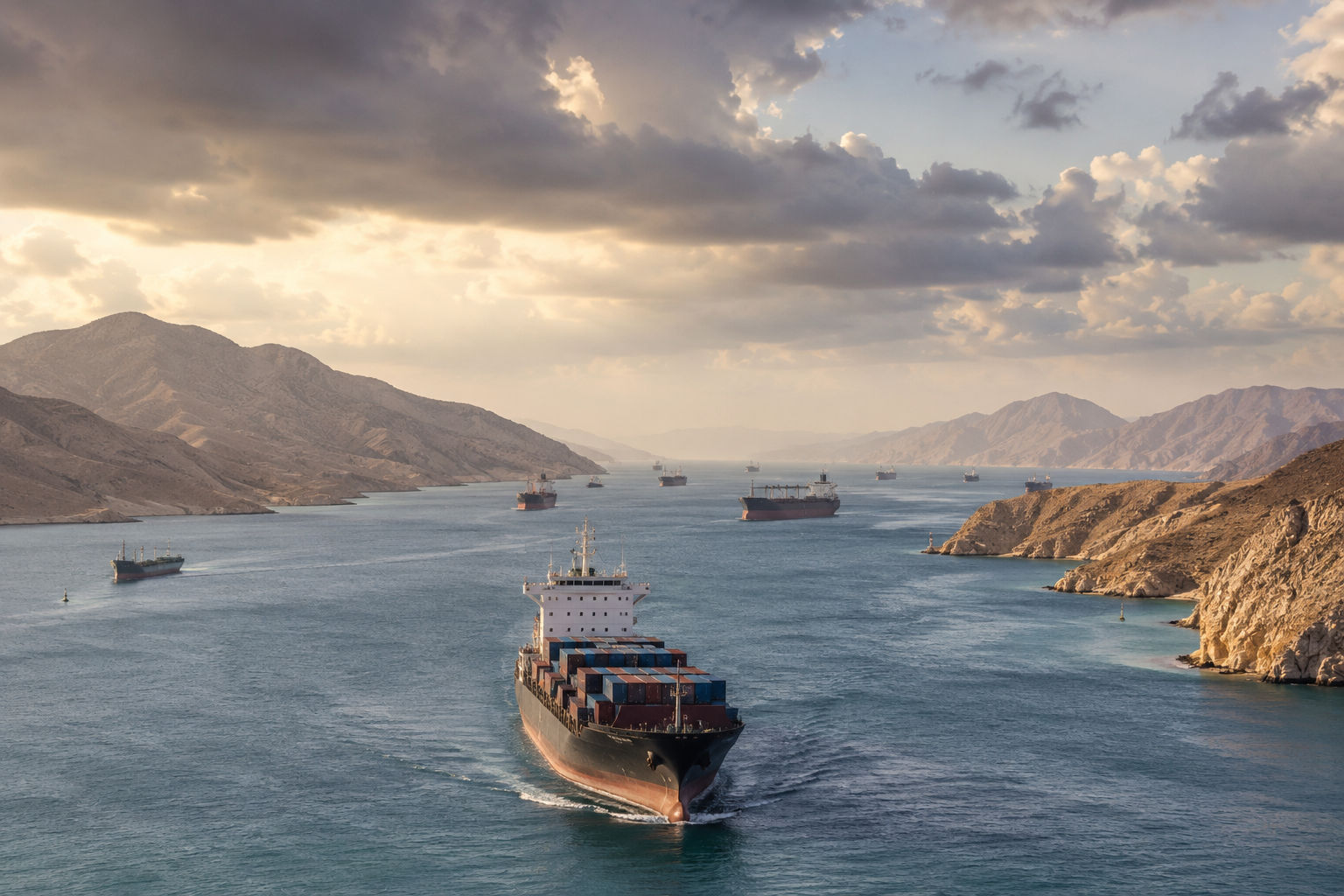
The ship involved in the incident was recognized as a Panama-flagged cargo vessel operated by the South Korean shipping company HMM. According to South Korean authorities, the vessel experienced an explosion in its engine room while transiting the Strait of Hormuz. Fortunately, no casualties were reported among the 24 crew members on board, which included several South Koreans.
Strait of Hormuz crisis creates pressure on global shipping routes
The Strait of Hormuz is one of the world’s most vital energy routes, transporting a large portion of international oil exports. Any disturbance in the region has an immediate impact on global shipping confidence, fuel costs, and regional security debates.
The most recent vessel incident occurred amid rising military tensions between the United States and Iran in Gulf seas. Former US President Donald Trump said Iran targeted the South Korean ship during an operation to defend regional commercial transportation. Tehran promptly denied the charges, insisting that its military was not to blame for the damage.
South Korean officials have not publicly acknowledged the exact cause of the blast, and investigations are still ongoing. According to maritime specialists, authorities are looking at technological failure, accidental impact, and conflict-related behavior as potential causes.
Several maritime companies have already decreased traffic through the Strait of Hormuz due to increased security concerns. Insurance rates for vessels operating in the area have also risen significantly in recent months. Analysts worry that ongoing unrest may have an impact on oil supply systems and commercial routes connecting Asia, Europe, and the Middle East.
Iran Strait of Hormuz statement sparks diplomatic debate in Asia
The Iranian Embassy in South Korea stated that Iran supports maritime safety and denied taking any planned military action against foreign commercial vessels. However, the embassy allegedly admitted that inadvertent damage during regional military operations could not be totally avoided.
The event has put South Korea in a delicate diplomatic position, as it attempts to maintain stable relations with both Washington and Tehran. South Korea depends significantly on Middle Eastern oil imports, therefore reliable maritime routes through the Strait of Hormuz are crucial to its economy.
Global observers anticipate future international negotiations over protecting commercial vessels in Gulf seas. Shipping firms and countries are closely monitoring the probe, as the final results could have an impact on future military and diplomatic choices in the region.
- Join our whatsapp channel for daily updates.
- Follow tazatimesnews Telegram Channel for latest news alerts.
- Follow TazaTimesNews on TruthSocial for exclusive updates
- Also reads : UAE-Iran Tension: UAE Rejects Iran’s Allegations and Warnings