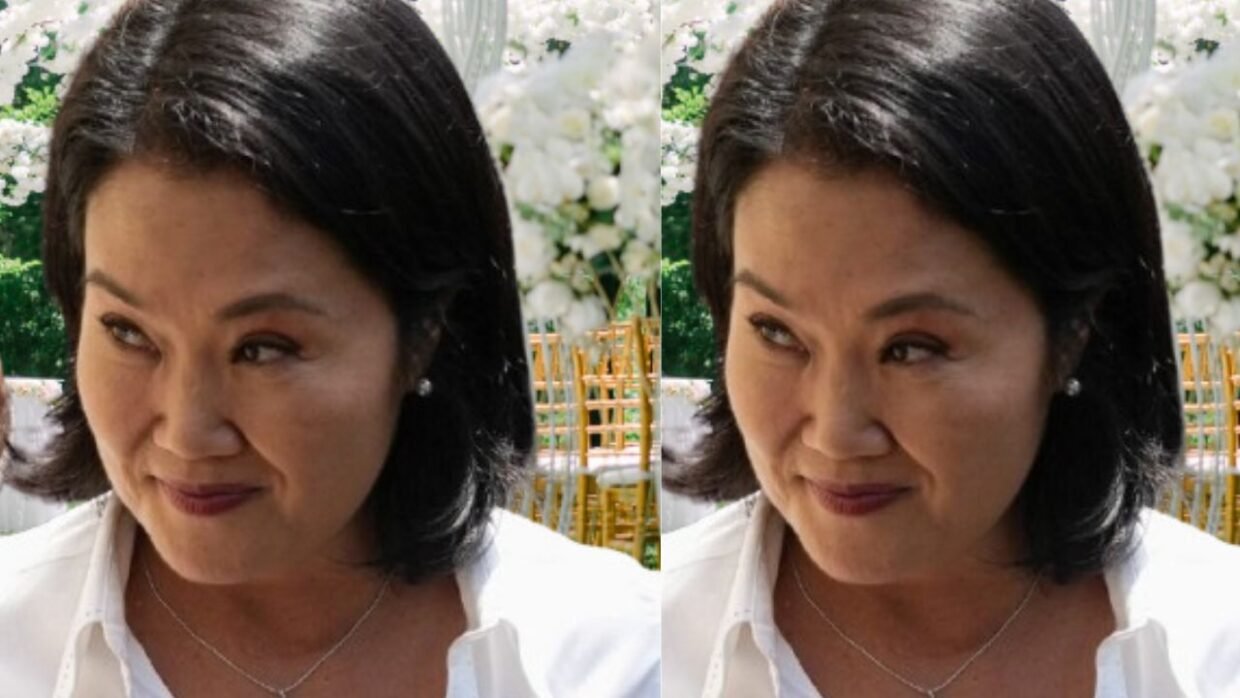
Peru’s presidential election entered a fresh phase of uncertainty on Thursday, with conservative candidate Keiko Fujimori regaining a slight lead over left-wing competitor Roberto Sanchez in one of the country’s most closely contested races in recent memory.
With the majority of votes counted, the gap between the two contenders remained razor-thin, exposing deep political splits across the South American nation. Election authorities are still scrutinizing contested ballots, so the ultimate outcome may not be known for several weeks.
Peru Election Battle Tightens as Lead Changes Again
Official estimates showed Fujimori with a slim lead following days of back-and-forth adjustments in the vote count. The most recent calculation put her ahead of Sanchez by a few hundred votes out of roughly 18 million ballots cast nationally.
The race has been unpredictable since voting ended. Early exit polls supported Fujimori, but independent rapid counts indicated Sanchez had a slight advantage. As more ballots were processed, especially from rural regions and overseas voters, the lead repeatedly shifted between the two contenders.
A large number of ballots are still undergoing legal examination. Before a winner is declared, electoral authorities must analyze contested voting records. Analysts believe that these contested ballots will eventually choose Peru’s next president.
The uncertainty has exacerbated political tensions in Lima and other parts of the country. Supporters of both campaigns have been anxiously monitoring every update from election officials as the count continues.
Fujimori Faces Challenge Amid Disputed Votes
Fujimori, who has run for president several times, advised citizens to be patient and respect the election process. Her team feels that support from Peruvians residing abroad aided her position in the final rounds of the vote.
Meanwhile, Sanchez questioned some developments in the counting process and demanded a meeting with international election observers. His supporters held demonstrations in the capital, demanding openness as officials reviewed contested ballots.
International observers, including officials from major monitoring organizations, reported that the vote process went quite well. However, all political parties remain focused on the unsettled ballots, which may still affect the outcome.
The election reflects widespread dissatisfaction among Peruvian citizens following years of political turmoil. The next president will have significant obstacles, such as public security concerns, economic pressures, and poor trust in democratic institutions.
Fujimori, daughter of former President Alberto Fujimori, is aiming to reclaim the presidency following past runoff setbacks. Sanchez, a former government minister who worked with previous President Pedro Castillo, has positioned himself as a change agent for many rural and working-class voters.
Peru’s political future will be uncertain until the remaining challenged ballots are decided. The razor-thin margin means that every ballot is thoroughly analyzed before the country formally determines who will govern it for the next five years.
- Join our whatsapp channel for daily updates.
- Follow tazatimesnews Telegram Channel for latest news alerts.
- Follow TazaTimesNews on TruthSocial for exclusive updates
- Also reads : Oil Prices Jump as Iran Closes Strait of Hormuz After US Strikes