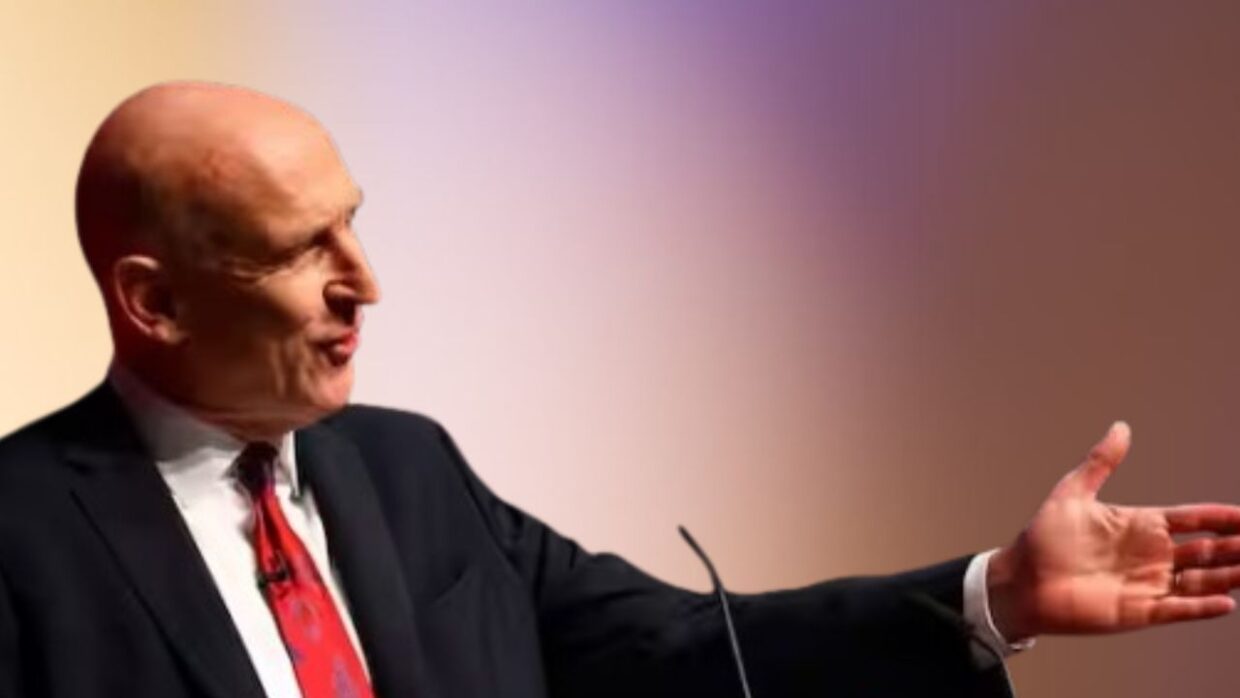
Britain’s finance minister, John Healey, will advise big economies to reduce government borrowing as the US-Iran conflict raises inflation risks and puts strain on public finances. This week’s annual meetings of the International Monetary Fund (IMF) and the World Bank in Bangkok will focus on this subject.
Governments must pay more to settle current debt while also meeting calls for more defence expenditure and financial assistance to people and companies. Healey wants nations to have credible strategies for managing borrowing and keeping public finances on a sustainable path, according to the UK finance ministry.
The meetings bring together finance ministers and central bank leaders to consider the economic effects of the expanding conflict in the Middle East, including its impact on energy prices and inflation.
IMF Meetings Focus on Debt and Rising Economic Pressure
Last week, government borrowing prices in major nations rose to their highest level in decades. Investors’ fears about war-related inflation, already high state debt, and the prospect of increasing interest rates all contributed to the surge.
Higher interest rates reduce governments’ ability to invest on public services, infrastructure, and other objectives. Continued rises in energy prices may also push governments to give further support to consumers and companies coping with growing costs.
Kristalina Georgieva, the managing director of the International Monetary Fund, and Andrew Bailey, Governor of the Bank of England, have both emphasised the need of prudent debt management and dependable budgetary planning.
The issue for policymakers is to defend their economy from external pressures while keeping public borrowing manageable. Higher defence spending and steps to mitigate the impact of rising energy costs are adding to the strain.
Healey stated that he will collaborate with foreign partners to keep commerce moving, help people and companies, and build Britain’s economy. His agenda also includes a meeting with Ukrainian Finance Minister Sergii Marchenko and meetings with other foreign peers about economic resiliency.
The meetings occur as countries consider how geopolitical concerns may effect inflation, oil supply, and interest rates in the coming months.
IMF Meetings Ahead of UK Budget on October 28
The negotiations are especially significant for Britain, as Healey prepares to present his first annual budget on October 28. He has pledged to maintain fiscal discipline and keep the government’s goals to decrease borrowing on track.
However, increased debt interest payments and competing expenditure demands may make that aim more difficult to attain. The government must weigh defence needs and help for lowering energy costs while attempting to keep borrowing from surpassing its goals.
The Institute for Fiscal Studies believes that the UK may need to collect £36 billion in taxes to completely offset the effects of increased inflation on government budgets and pay for greater defence spending.
According to the think tank, the sum would be comparable to a three percentage point increase in the primary income tax rate. The estimate depicts the financial options that the government faces as it attempts to achieve expenditure obligations while limiting public debt.
Healey’s negotiations with foreign partners will take place in the context of growing prices and economic uncertainties. The primary question for governments is how to deal with acute financial strains while keeping borrowing under control in the long run.
The conclusion of these negotiations will be part of broader international attempts to address economic concerns associated with the conflict, while Britain’s next budget will detail how the government expects to balance its own expenditure demands with borrowing commitments.
- Join our whatsapp channel for daily updates.
- Follow tazatimesnews Telegram Channel for latest news alerts.
- Follow TazaTimesNews on TruthSocial for exclusive updates
- Also read : Australia Gaza Protests Draw Thousands Across 27 Cities