
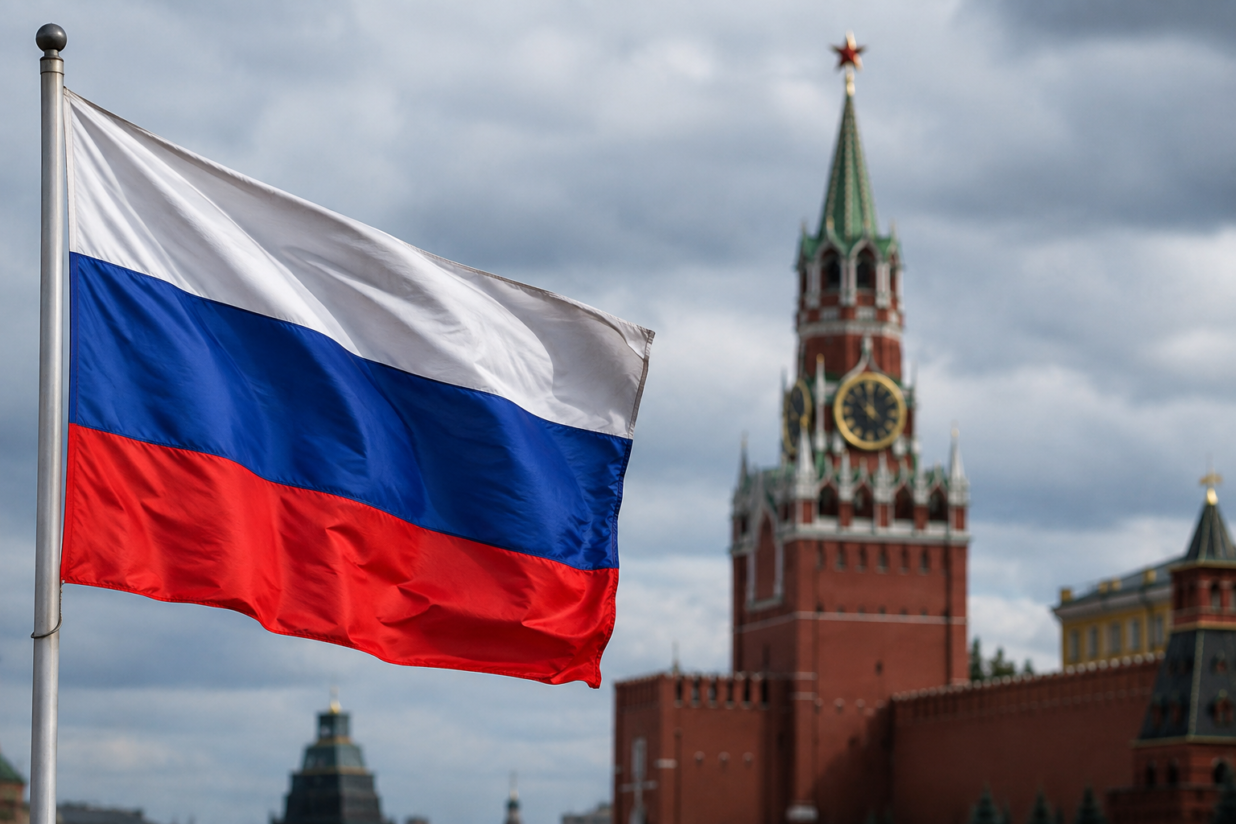
Russia Human Rights Foundation : Russia has designated the Human Rights Foundation (HRF), based in New York, as a “undesirable organization,” thereby prohibiting its operations in Russia. Yulia Navalnaya, the widow of late Russian opposition leader Alexei Navalny, chairs the organization.
On August 7, 2026, the Russian Prosecutor General’s Office published its ruling. The foundation is no longer permitted to operate lawfully in Russia under Russia’s “undesirable organizations” statute. Russian people who work with HRF or spread its publications may suffer legal consequences.
The move is the latest in Russia’s ongoing battle against opposition parties, human rights organizations, independent media outlets, and international institutions deemed antagonistic to the state.
Russia Human Rights Foundation Ban Expands Government Crackdown
According to the Russian prosecutor’s office, the Human Rights Foundation was added to the list for reporting political situations in Russia.
Authorities notably mentioned HRF’s “Tyranny Tracker” project, which characterizes Russia as a “fully authoritarian regime.” Prosecutors also accused the organization of undermining Russia’s military forces, advocating international sanctions against Russia, and working with other groups that have previously been labeled undesirable.
Discrediting the Russian military became a crime after Russia started a full-fledged invasion of Ukraine in 2022. Since then, the administration has implemented a number of measures to curb criticism of the state and military.
Yulia Navalnaya has become one of the most visible Russian opposition personalities overseas since the death of her husband, Alexei Navalny.
- Also reads : FIFA Governance Crisis: Infantino and FIFA Show Unity After Emergency Stake Sale Meeting
Russia Human Rights Foundation Decision Raises Legal Concerns
The repercussions of Russia’s unwanted organization law extend beyond the organization itself. Russian citizens who collaborate with such groups, offer support, or help circulate their content may face prosecution.
According to legal experts, new rules may increase the risks for activists, journalists, researchers, and others who have connections to international organizations.
The Human Rights Foundation vehemently opposed the Russian government’s action. Javier El-Hage, the organization’s Chief Legal and Policy Officer, stated that the move clearly proved the foundation’s critique of Russia’s democratic system.
According to El-Hage, criminalizing HRF’s research and intimidating anyone who work with the organization indicates Russia’s escalating limits on free expression and civil society.
Human Rights Foundation Joins Russia’s Growing ‘Undesirable’ List
Russia enacted the unwanted organization law in 2015, and hundreds of organizations have already been added to the list.
Those targeted have included international human rights organizations, Russian and Western media outlets, universities, and research institutes. The classification frequently makes cooperation between Russian citizens and foreign organizations much more difficult.
Human rights campaigners say that the increased use of the law has decreased the space for autonomous civil society and international collaboration within Russia.
The Human Rights Foundation’s recognition also emphasizes Yulia Navalnaya’s ongoing international activity, which has concentrated on documenting political realities in Russia and attracting global attention to human rights issues.
With the new classification in place, Russian officials have warned that cooperating with the Human Rights Foundation may result in legal penalties. However, the organization contends that the decision strengthens, not undermines, its appraisal of Russia’s political system.