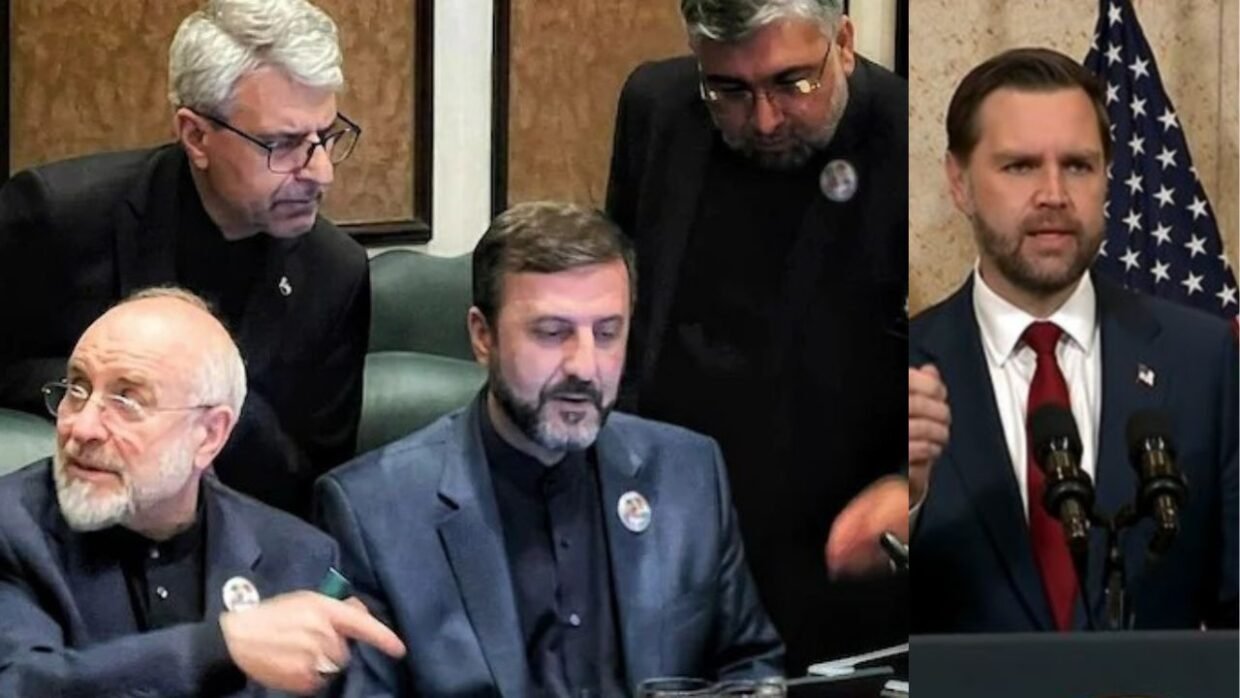
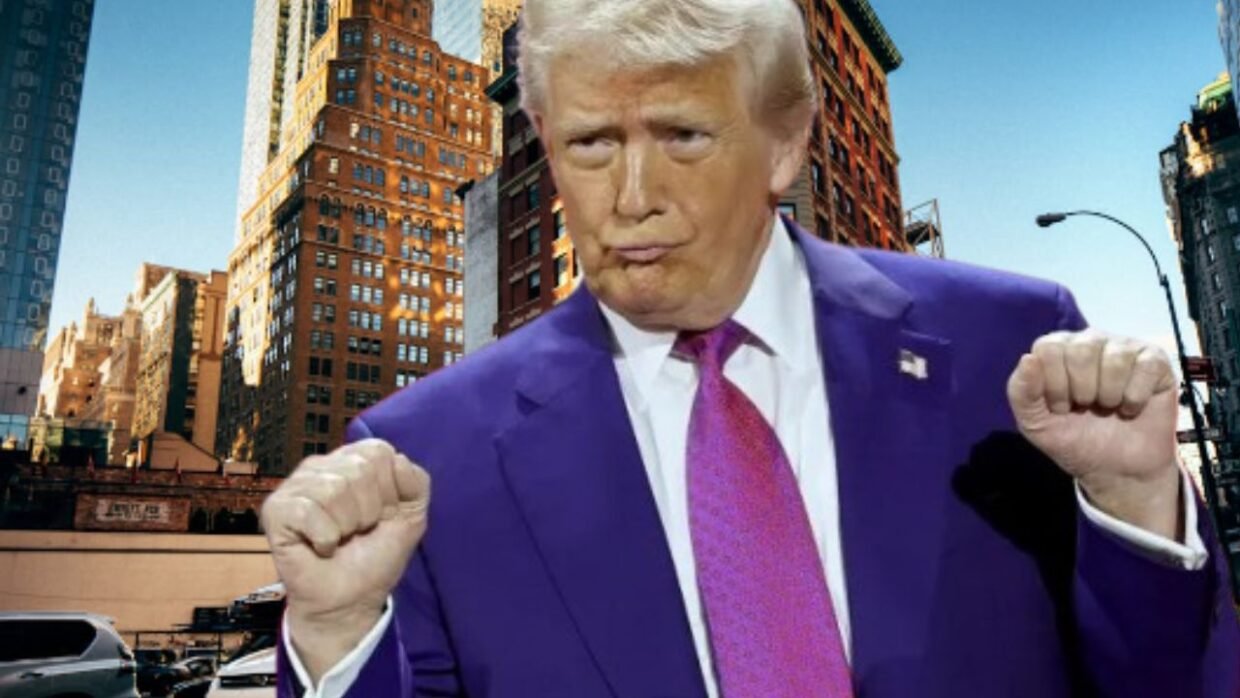
US Iran peace deal : A major diplomatic breakthrough between the United States and Iran has raised expectations for Middle Eastern stability, yet uncertainties remain about how the accord will be implemented. US President Donald Trump said that Washington and Tehran had reached a peace agreement that includes reopening the strategically crucial Strait of Hormuz and lifting sanctions that have hampered regional trade and energy markets. The deal is likely to be signed formally on June 19 in Switzerland.
The development comes after months of turmoil, diplomacy, and international mediation efforts. The planned pact is regarded as one of the most major diplomatic successes of recent years, with the potential to transform economic and security dynamics in the Gulf region.
US Iran peace deal Sparks Optimism Across Global Markets
According to officials involved with the negotiations, the agreement contains provisions to reopen the Strait of Hormuz for commercial ships and remove restrictions to marine trade. The canal is one of the world’s most vital energy corridors, transporting a significant portion of global oil exports.
Trump characterized the agreement as a significant step toward resolving tensions between the two countries. He stated that both sides had reached an agreement on important concepts and that the signing ceremony would signal the start of a larger process aimed at restoring stability and collaboration.
The revelation sparked a rapid reaction in the financial markets. Oil prices fell as concerns about supply interruptions subsided, and investors cheered the possibility of safer shipping routes and lower geopolitical threats. According to analysts, a permanent reopening of the Strait of Hormuz might boost global economic growth by improving energy flows.
The proposed framework apparently includes provisions for sanctions relief, the release of blocked Iranian assets, and future negotiations over Iran’s nuclear program. Both governments are anticipated to continue their conversations in the next weeks to settle technical and political aspects.
US Iran peace deal Faces Political and Strategic Challenges
Despite the positive reactions of many international observers, the accord has sparked discussion within Iran and among regional stakeholders. Some Iranian political organizations have opposed portions of the proposed agreement, claiming that it does not provide any guarantees about sanctions removal or national interests.
Diplomatic experts point out that obtaining an agreement is merely the first stage. Successful implementation will necessitate ongoing cooperation, verification measures, and conversation between the two former rivals. Previous attempts to strengthen relations have frequently failed owing to political differences and shifting geographical circumstances.
The peace proposal has broader ramifications for Middle East security. Governments across the area are keeping a careful eye on developments, as lower tensions between Washington and Tehran may have an impact on military deployments, trade lines, and diplomatic relations.
If the agreement is inked as scheduled on June 19, it might usher in a new era in US-Iran ties. While problems persist, proponents of the agreement contend that expanding communication lines and lowering military confrontation provide the best prospect for long-term regional stability.
- Join our whatsapp channel for daily updates.
- Follow tazatimesnews Telegram Channel for latest news alerts.
- Follow TazaTimesNews on TruthSocial for exclusive updates
- Also reads : DBS Plans Tokenised Physical Gold Access for Retail Investors