US Consulate Closure Plan : The United States is considering eliminating five diplomatic operations in Canada, Japan, Indonesia, Cameroon, and Grenada as part of a larger attempt to decrease government spending and reorganize its international diplomatic network. Supporters of the idea argue that it will increase efficiency and save expenses, while opponents argue that it will decrease America’s diplomatic presence amid an era of increased global competitiveness.
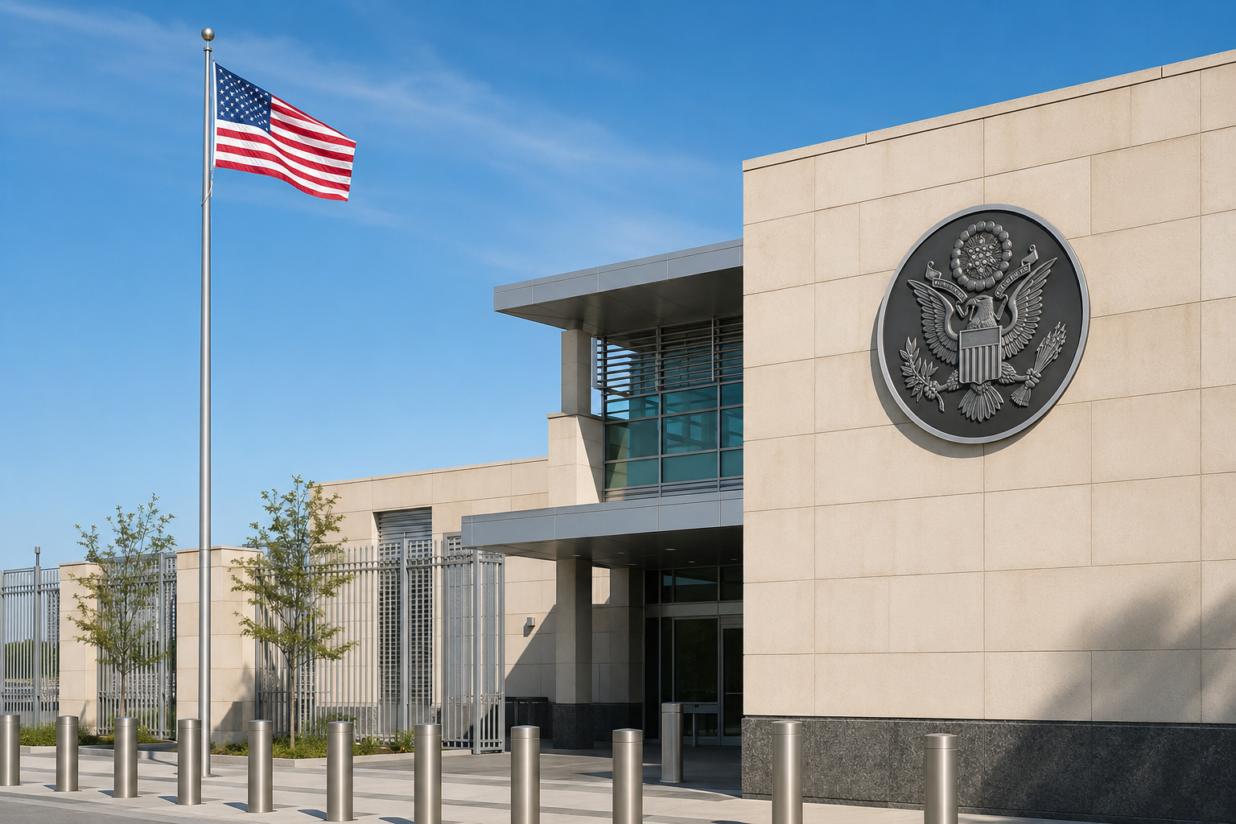
According to sources familiar with the situation, the US State Department has informed Congress of a proposal to close five overseas missions. The US Consulate in Winnipeg, Canada; the US Consulate in Nagoya, Japan; the US Consulate in Medan, Indonesia; the US Embassy Branch Office in Douala, Cameroon; and the US Embassy in St. George’s, Grenada are among the locations on the list.
The idea is part of the Trump administration’s broader drive to simplify federal operations and cut costs across government agencies. According to those involved in the study, diplomatic resources should be directed toward areas with higher strategic and operational priorities.
US Consulate Closure Plan Could Reshape America’s Diplomatic Network
If accepted, the proposal would represent one of the most severe cutbacks in the United States’ diplomatic footprint in recent years. Some of the impacted offices may be permanently closed, while others will have their tasks shifted to adjacent American diplomatic missions.
The State Department has not provided a schedule for such closures. However, sources stated that Congress has already been alerted, which is a necessary step before a final resolution can be executed.
Secretary of State Marco Rubio has backed larger attempts to improve the department’s efficiency and connect diplomatic operations with the administration’s “America First” foreign policy goals. Officials feel that closing underutilized facilities will free up resources for locations that are deemed more strategically essential.
The idea is also tied to a larger evaluation of overseas diplomatic activities being carried out in collaboration with the White House Office of Management and Budget. Officials are assessing whether certain embassies and consulates continue to provide adequate value in comparison to their running expenditures.
The impacted missions now offer visa processing, aid to US individuals abroad, commerce development, and diplomatic engagement with local governments. If the closures go forward, many of these services are expected to be provided by nearby embassies or consulates.
US Consulate Closure Plan Sparks Debate Over US Global Influence
Some Democratic politicians and former national security officials have criticized the notion, warning that lowering America’s diplomatic presence might damage its influence in a number of key regions.
Critics contend that countries like China and Russia have increased their diplomatic activity around the globe. They fear that dismantling American operations will provide possibilities for geopolitical adversaries to build ties with foreign governments and expand their regional influence.
Supporters of the initiative hold a different perspective. They think that diplomatic resources should be directed in areas where they may have the most strategic influence. They also claim that contemporary technology enables governments to provide many services remotely while retaining diplomatic engagement at major regional hubs.
The suggestion comes as the US government continues to examine spending across many federal departments. The administration has often emphasized the need to reduce bureaucracy and improve operational efficiency.
Although no final implementation date has been declared, lawmakers, diplomats, and international partners are anticipated to pay careful attention to the US Consulate Closure Plan. The ultimate choice might influence how the United States runs its overseas diplomatic network in the coming years, while balancing fiscal priorities and global participation.