UAE–Iran tensions : The United Arab Emirates and Iran have made their first high-level communication since the start of hostilities in February, marking an important diplomatic turn.
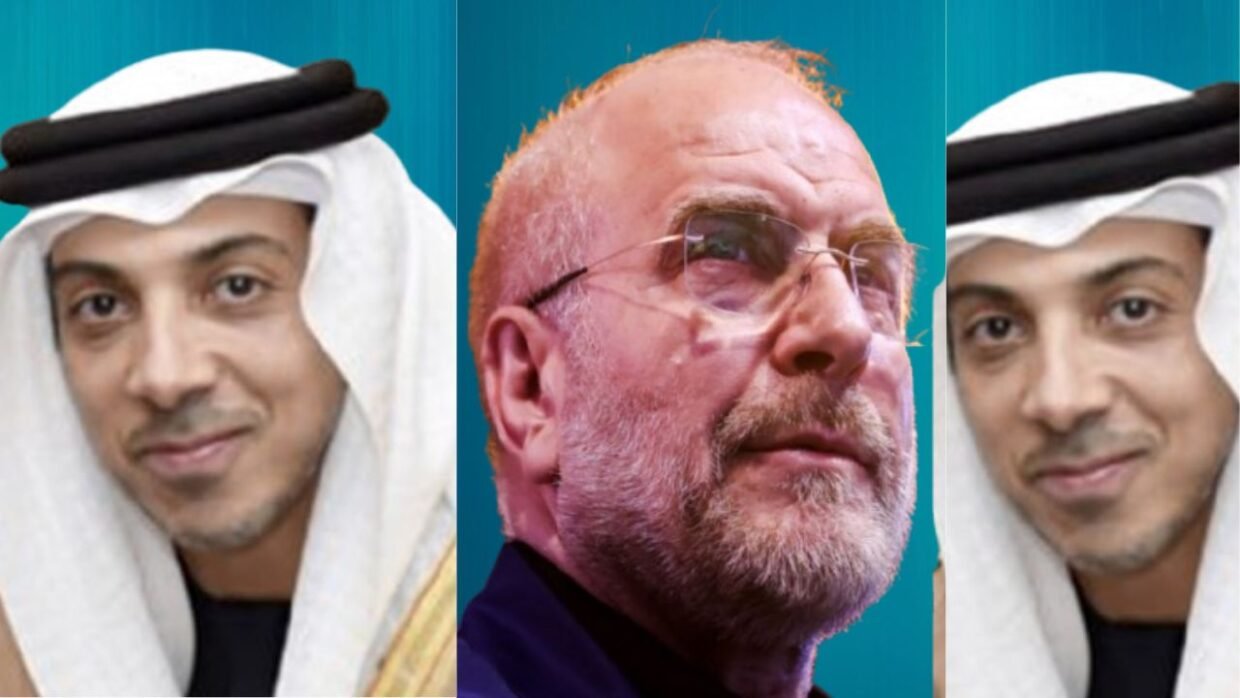
Iranian Parliament Speaker Mohammad Bagher Ghalibaf and UAE Vice President Sheikh Mansour bin Zayed Al Nahyan spoke over the phone, indicating a cautious return to the bargaining table as the US-led naval blockade tightens its hold on the area.
In contrast to the belligerent language that preceded Iranian missile strikes on Abu Dhabi and Dubai earlier this year, the call specifically focused on “regional developments and ways to de-escalate tensions,” according to the state news agency WAM.
The UAE’s Vice President made a rare phone call to Iran’s parliament speaker in an effort to defuse escalating tensions. This comes after several weeks of turmoil and instability in the region.
UAE Iran call for de-escalation raises hope amid tension
The call was made between Sheikh Mansour bin Zayed Al Nahyan and Mohammad Baqer Qalibaf. Both leaders spoke about regional trends and strategies to reduce violence.
This is considered the first high-level contact since ties deteriorated owing to ongoing combat conditions. The UAE had previously adopted a firm stance against Iran following attacks on Gulf countries.
The exchange suggests a transition from strong opposition to controlled diplomacy. It appears that both parties are seeking for methods to avert greater damage.
UAE-Iran tensions: Background conflict makes situation serious and sensitive
Tensions in the Middle East rose following military operations by Iran and its adversaries. Missile and drone assaults targeted a number of countries, including locations linked to the UAE.
As a result, the UAE curtailed diplomatic relations and even shuttered its embassy earlier. The issue also impacted global trade routes such as the Strait of Hormuz, causing economic strain around the world.
Despite this, the latest call demonstrates that discussion is still possible even during a crisis. It emphasizes the necessity of communication in preventing larger disasters.
Positive diplomacy or strategic pressure move
This development has both positive and negative aspects. On the one hand, the call expresses optimism for regional peace and stability. Leaders’ discussions can help to clear up confusion and avert future attacks.
However, analysts feel that such acts can be strategic. Countries may utilize diplomacy to manage pressure while still protecting their interests.
The situation remains complex, and a single phone call may not change everything right now. However, it sends a strong signal that all sides recognize the dangers of ongoing conflict.
Overall, the UAE’s move demonstrates a balanced strategy that combines solid defense with open communication. The coming days will determine whether this approach leads to genuine peace or is merely a transitory effort.
- Join our whatsapp channel for daily updates.
- Follow tazatimesnews Telegram Channel for latest news alerts.
- Follow TazaTimesNews on TruthSocial for exclusive updates
- Also reads : Trump Iran Conflict : Trump Says Iran Conflict Nearing End, Claims Tehran Eager for Deal