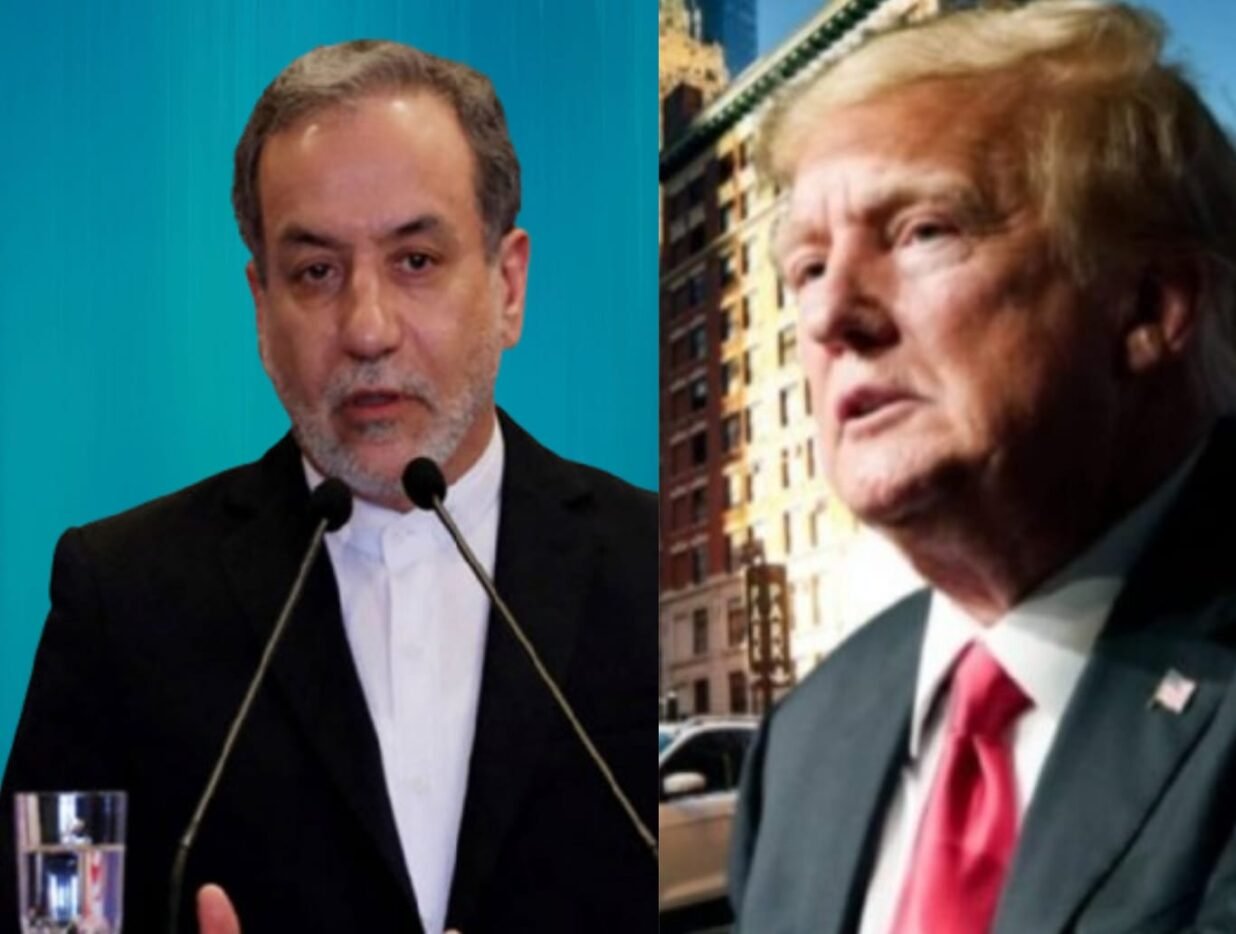
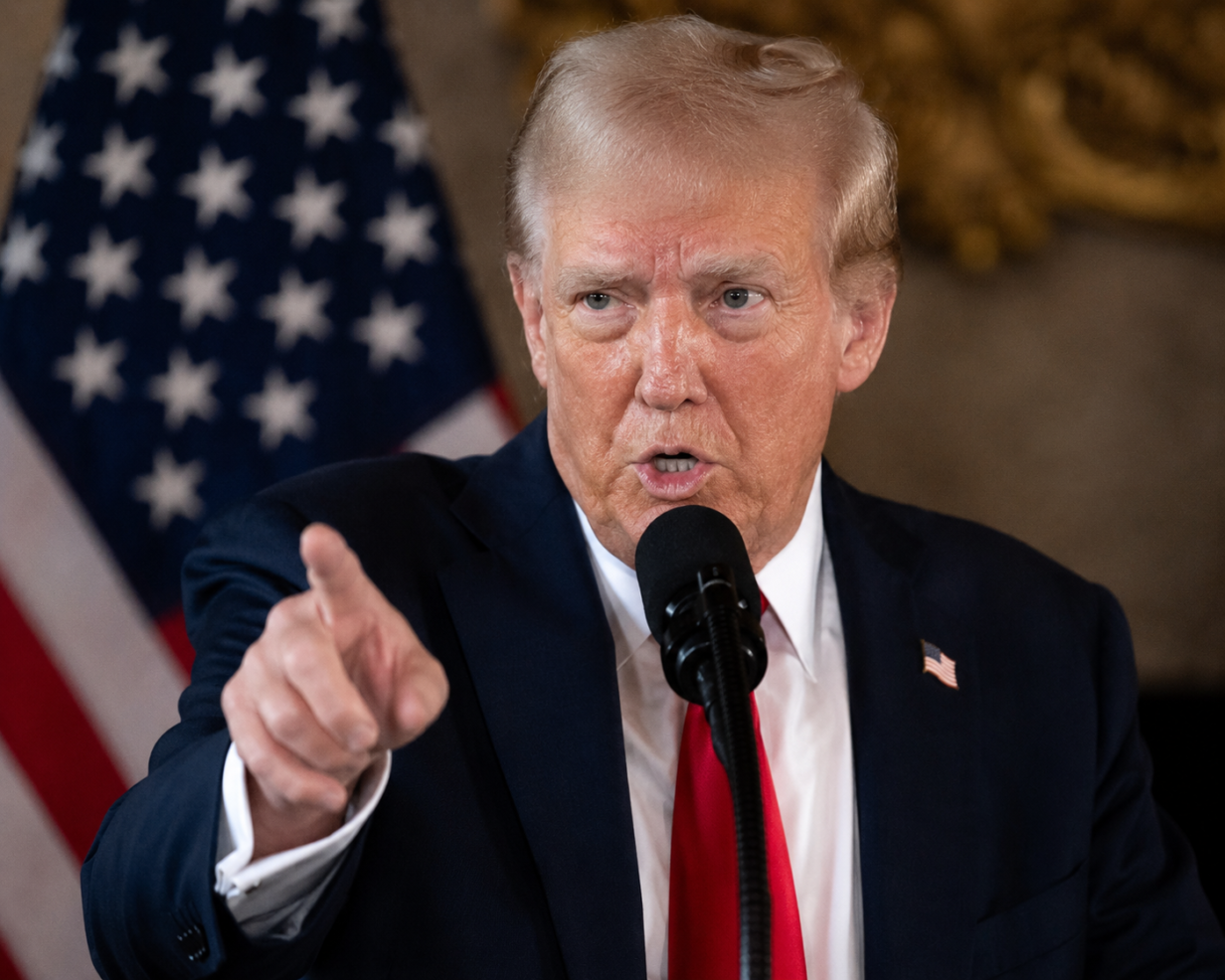
Trump Iran Peace Talks : The United States and Iran are poised to resume diplomatic talks today (Monday), with President Donald Trump signaling that negotiations will take precedence over military action. The statement has sparked expectations that tensions in the Middle East may subside, while Trump has recognized that there is no assurance the talks will result in a final agreement.
Speaking to reporters, Trump stated that the Trump-Iran Peace Talks will begin through intermediaries. He stated that he was not setting a timeframe for reaching a deal and preferred negotiation over additional bloodshed, adding that he was “not looking to kill people.”
According to Trump, several Middle Eastern countries requested additional time for diplomatic efforts, and Washington agreed to pursue diplomacy rather than quick military action.
Trump Iran Peace Talks Aim to Reduce Middle East Tensions
The planned meetings come just after Trump announced that he had put off a planned US military strike on Iran after consulting with Gulf allies. Regional partners allegedly pressed Washington to engage in talks rather than military escalation, suggesting rising worry over Gulf stability.
Trump underlined that the US is still committed to preventing Iran from gaining nuclear weapons. However, he underscored that negotiations are preferable to extending military operations.
When asked about the possibilities of success, Trump replied, “We’ll see how it goes,” signaling that his administration is willing to give diplomacy another shot before taking any additional action.
Trump Iran Peace Talks Focus on Nuclear Program and Strait of Hormuz
The impending talks are anticipated to center on a number of crucial problems, including Iran’s nuclear activity, regional security, and the reopening of the Strait of Hormuz, one of the world’s most significant shipping routes for oil and gas.
Any disruption in the strait might have an impact on global energy supplies and boost inflationary pressures in several countries. According to those familiar with the diplomatic efforts, Gulf governments have played a crucial role in encouraging Washington and Tehran to continue conversations.
Their involvement is part of a broader regional effort to prevent another military escalation that could jeopardize economic stability and international trade.
Trump Iran Peace Talks Face Major Diplomatic Challenges
Despite fresh diplomatic momentum, major issues remain unresolved. Iran has consistently insisted on defending its national interests, while the US seeks stronger guarantees on Tehran’s nuclear program and regional activities.
These disparities have hampered prior efforts to negotiate a long-term agreement.
The latest diplomatic push comes after months of armed tensions and numerous mediation efforts by regional and international partners. Trump recently delayed planned strikes after consulting with Gulf officials, believing that negotiations were a better option for restoring stability than another round of attacks.
Analysts believe that the impending talks could have far-reaching effects beyond the United States and Iran. Any progress might help stabilize global energy markets, boost maritime security, and lessen the likelihood of a larger confrontation in the Middle East.
However, experts warn that the negotiations would be difficult because both parties have strong positions on some crucial subjects.
For the time being, international attention is centered on whether today’s Trump-Iran Peace Talks can establish enough confidence to yield real results. While Trump has stated that he prefers negotiations before military action, he has also stated that Washington is ready to defend its interests if diplomacy fails. Governments, investors, and regional allies will be eagerly monitoring the discussions for any signs of a breakthrough.