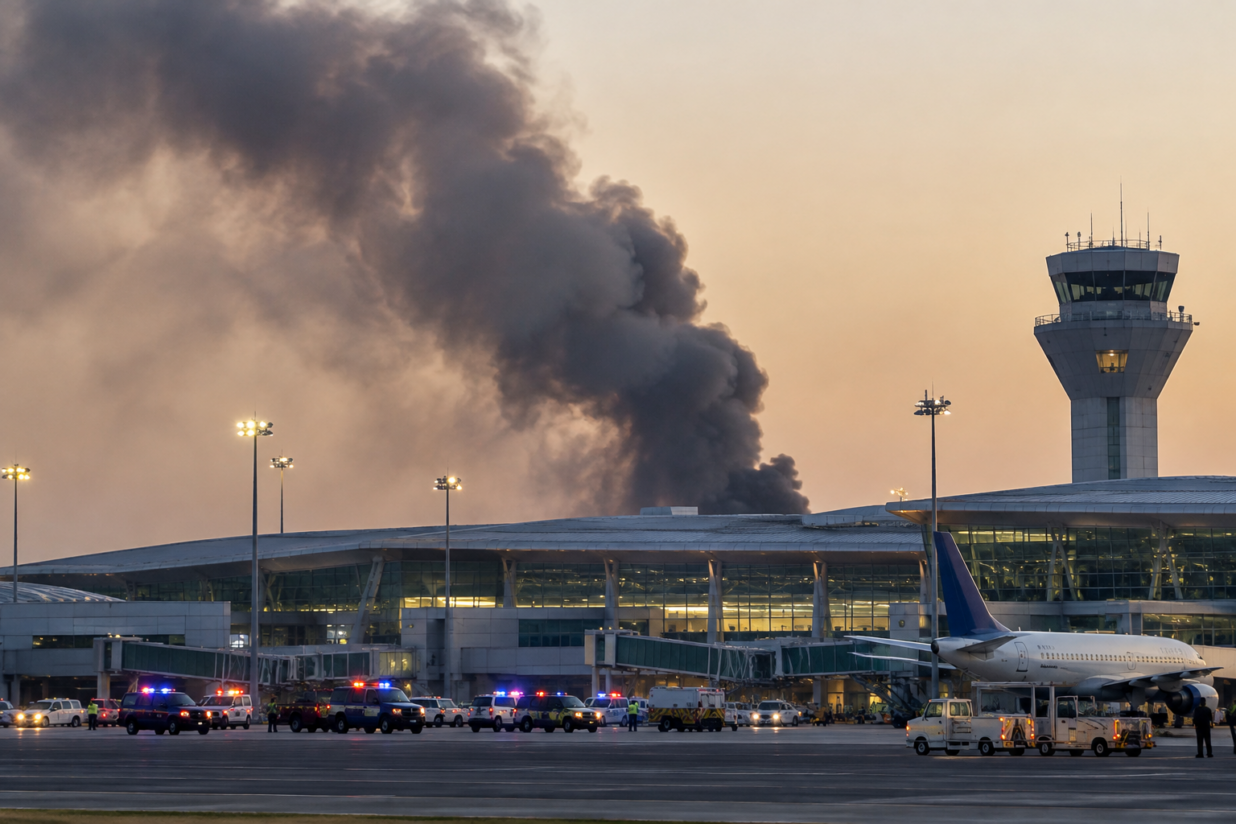
A missile strike on Riyadh’s King Khalid International Airport killed 12 people and injured more than 300, Saudi civil aviation authorities reported early Sunday. The Saudi-led coalition battling in Yemen blamed the strike on Houthi rebels and warned of a severe response.
Several countries have lost people, including Saudi Arabia, Bangladesh, Palestine, the United States, Egypt, Jordan, Syria, and Sudan. According to authorities, the injured are being treated at multiple hospitals, with several in severe condition.
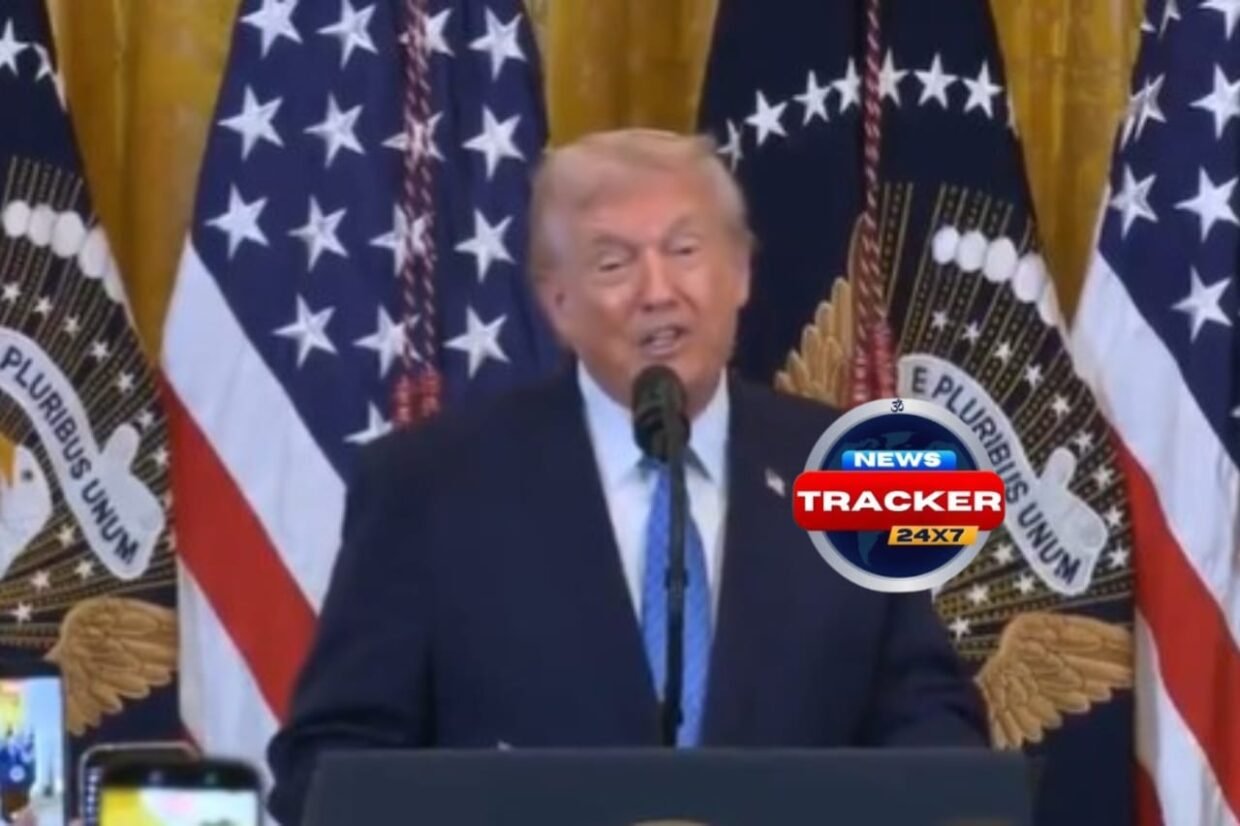
The strike has prompted new fears about civilian aviation traffic and the region’s escalating hostilities. On Saturday, US President Donald Trump condemned the hit, calling it “not acceptable” and stating that Washington was considering joining Saudi military action against the Houthis.
Riyadh Airport Attack Triggers Security Measures
According to a regional authority, a missile struck the airport complex that includes Terminals 3 and 4, which handle domestic aircraft. The official spoke anonymously because they were not permitted to remark publicly.
The Saudi-led coalition called the strike a war crime, claiming the airport lacked military facilities. Houthi officials did not immediately respond to the incident. Earlier on Saturday, the group accused Saudi Arabia of targeting Yemen’s Sanaa International Airport, which is held by the Houthis.
Following the latest strike, Saudi authorities have suspended operations at Riyadh International Airport. Security personnel boosted their presence, closed entrances, and redirected flights to alternate destinations. The US, UK, Germany, Australia, and Canada also warned their citizens to avoid the airport.
The event came after several attacks on Riyadh Airport the previous week. The Houthis claimed responsibility for previous attacks that killed three Saudis, including a pilot.
Prior to the most recent incident, air travel problems had already occurred. Air India, flyDubai, Lufthansa Group, and Pakistan International Airlines all suspended flights to Riyadh and other Saudi airports for varying periods of time. The European Union Aviation Safety Agency expanded its guidance on Saudi airspace, noting the possibility of strikes reaching deeper into the kingdom.
Riyadh Airport Attack Raises Fears of Wider Conflict
The strike comes as the conflict between the Houthis and Saudi-backed Yemeni government forces heats up. The Saudi-led coalition has started an important mission to assist government forces in halting recent Houthi advances in the Red Sea.
Saudi Arabia and the Houthis have been at odds since 2015, when Riyadh intervened in Yemen’s civil war to back the internationally recognised government. A period of relative peace after the 2022 ceasefire, but the Houthis resumed strikes in July, according to the source.
The most recent escalation has intensified pressure on Saudi Arabia, a major oil exporter and close US partner. Attacks have targeted airports, military locations, and energy infrastructure, raising fears about the kingdom’s air defences.
According to regional officials, Saudi Arabia is running low on missile interceptors and has requested assistance from France, the United Kingdom, Pakistan, and Egypt. The US has provided intelligence sharing, target selection, and planning help for the coalition’s most recent attack.
The fighting has also increased fears about shipping across the Red Sea, where recent Houthi gains have boosted the group’s surveillance capabilities. The path is an alternative to the Strait of Hormuz, where Iran has attacked ships.
Despite security worries, Saudi Arabia continued to prepare for an international energy conference, which is set to begin in Riyadh this Sunday. Saudi and Omani foreign ministers also talked about diplomatic attempts to alleviate regional tensions.
With planes interrupted and investigations into the attack ongoing, all eyes are now on Saudi Arabia and its allies’ response, as well as whether the latest strike will result in more military escalation.
- Join our whatsapp channel for daily updates.
- Follow tazatimesnews Telegram Channel for latest news alerts.
- Follow TazaTimesNews on TruthSocial for exclusive updates
- Also Read : Indian Pilot Smit Machchhar to Receive Israel’s Civilian Heroism Award