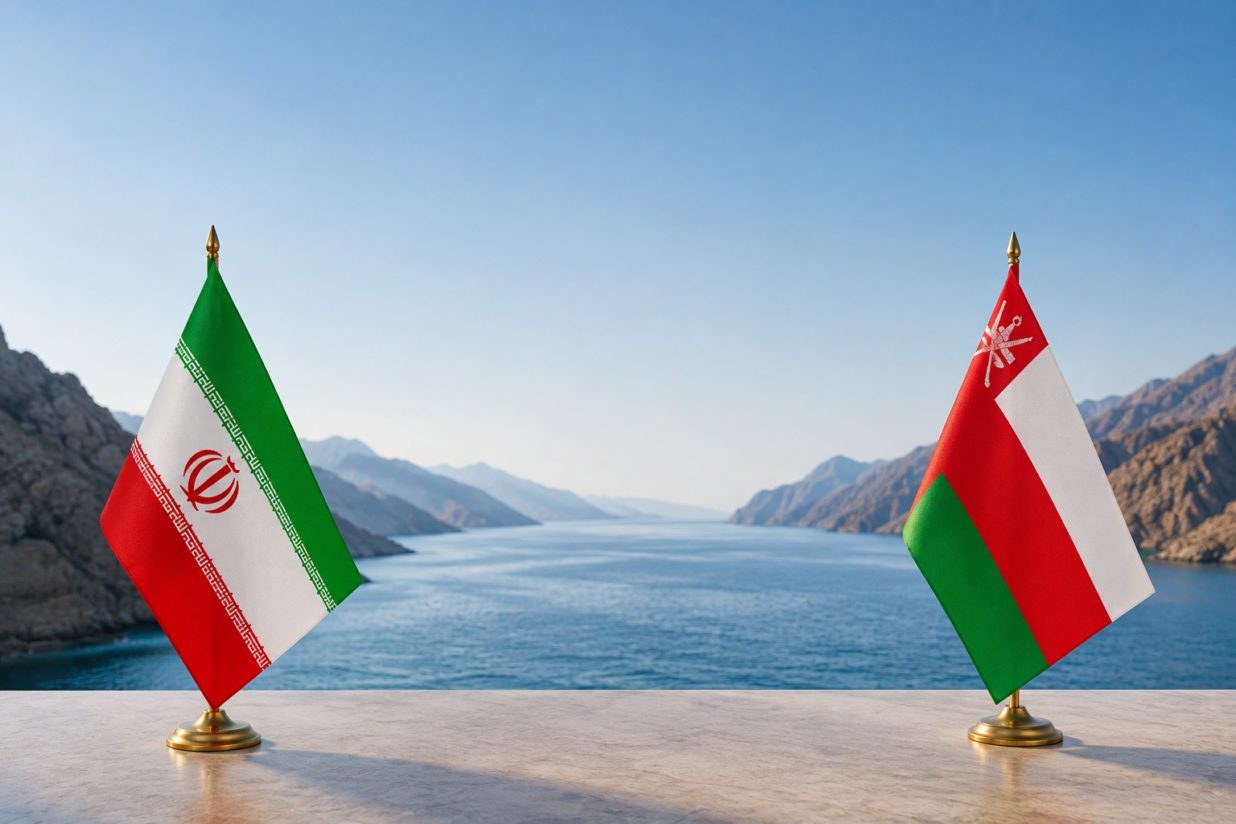
Iran-Oman talks have resumed, with Tehran and neighboring Oman working on a temporary shipping route via the Strait of Hormuz. The conversations come as Iran confronts increased economic pressure from the United States, and efforts to strike a broader agreement with Washington remain stalled.
For several weeks, Iran and Oman have been debating ship movements across the key canal. Before the battle began in February, the Strait of Hormuz transported around one-fifth of world oil and liquefied natural gas supplies. Since then, most shipping along the route has been halted.
Iran Oman Talks Focus on Temporary Shipping Route
The two countries claimed on Tuesday that they had discussed establishing a cooperative temporary maritime channel via the Strait of Hormuz. They also promised to remove the mines from the river.
The conversations occur as concerns about the safety of ships transiting the strait persist. Although heavy warfare between the United States and Iran has subsided, negotiations for a prospective peace treaty have made little forward.
The concerns were emphasized on Tuesday when an unidentified rocket struck an oil tanker. According to the United Kingdom Maritime Trade Operations, the vessel was disabled about 9 nautical miles (17 kilometers) northeast of Ash Shishah, Oman, near the entry to the Strait of Hormuz.
US President Donald Trump has stated that mines in the strait had been eliminated. He reiterated his assertion on Tuesday.
US Pressure on Iran Continues
Washington is also maintaining economic pressure on Iran. Earlier this week, the US vowed to punish countries that continue to conduct business with Iran, but stressed the penalties would not be imposed immediately.
Oil prices fell for the second day in a row, as traders sought to downplay the potential impact of the new sanctions. Iran rejected the US ultimatum, describing the campaign to isolate its economy as “gross lawlessness.” Tehran also stated that it expected many countries to refuse to join the campaign.
At the same time, the US has begun restoring some people to diplomatic missions in the Middle East that had been evacuated or reduced due to concerns with Iran. According to two persons acquainted with the situation, certain embassies would initially operate at a reduced capacity.
The move indicates that Washington believes the immediate risk of a larger clash has diminished.
Separately, the US Secret Service confirmed that it was aware of an Iranian state television broadcast discussing an alleged plot against Donald Trump’s youngest son, Barron Trump (20). The three-minute broadcast stated he was being followed and that a $10 million bounty had been offered for his death.
Thousands of people have been killed in the conflict, with the majority of deaths occurring in Iran and Lebanon. The United States and Israel have also harmed most of Iran’s conventional military capabilities, while the status of the country’s nuclear program remains unknown.
According to Reuters/Ipsos polls, public support for the war in the United States has dropped to its lowest level since the early stages of the conflict, and Trump’s popularity is also at an all-time low ahead of the November congressional election.