India First Hydrogen Train: The launch of India’s first hydrogen-powered passenger train is an important step toward cleaner and more sustainable transportation. The initiative marks a significant milestone for Indian Railways as it begins to use green energy technology to reduce emissions and reduce reliance on fossil fuels. While the idea has received widespread approval, experts say expanding hydrogen train services across the country will necessitate significant investments in fuel production, storage, and supporting infrastructure.
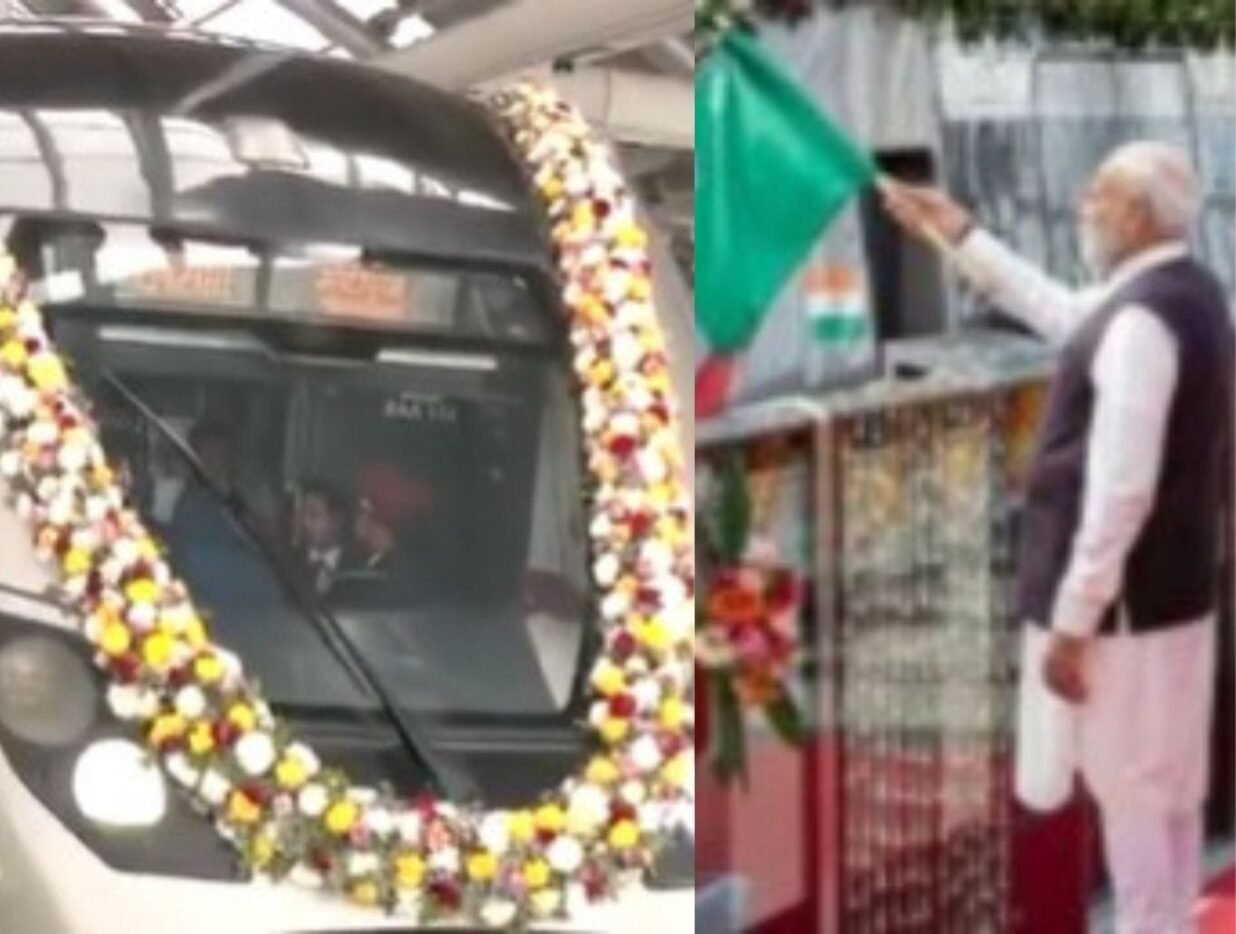
On July 17, 2026, Prime Minister Narendra Modi flagged off the country’s first hydrogen-powered train, the NaMo Green Rail, from Jind railway station in Haryana. The train, developed as part of India’s clean energy program, illustrates the government’s intent on updating the railway network with ecologically friendly technologies.
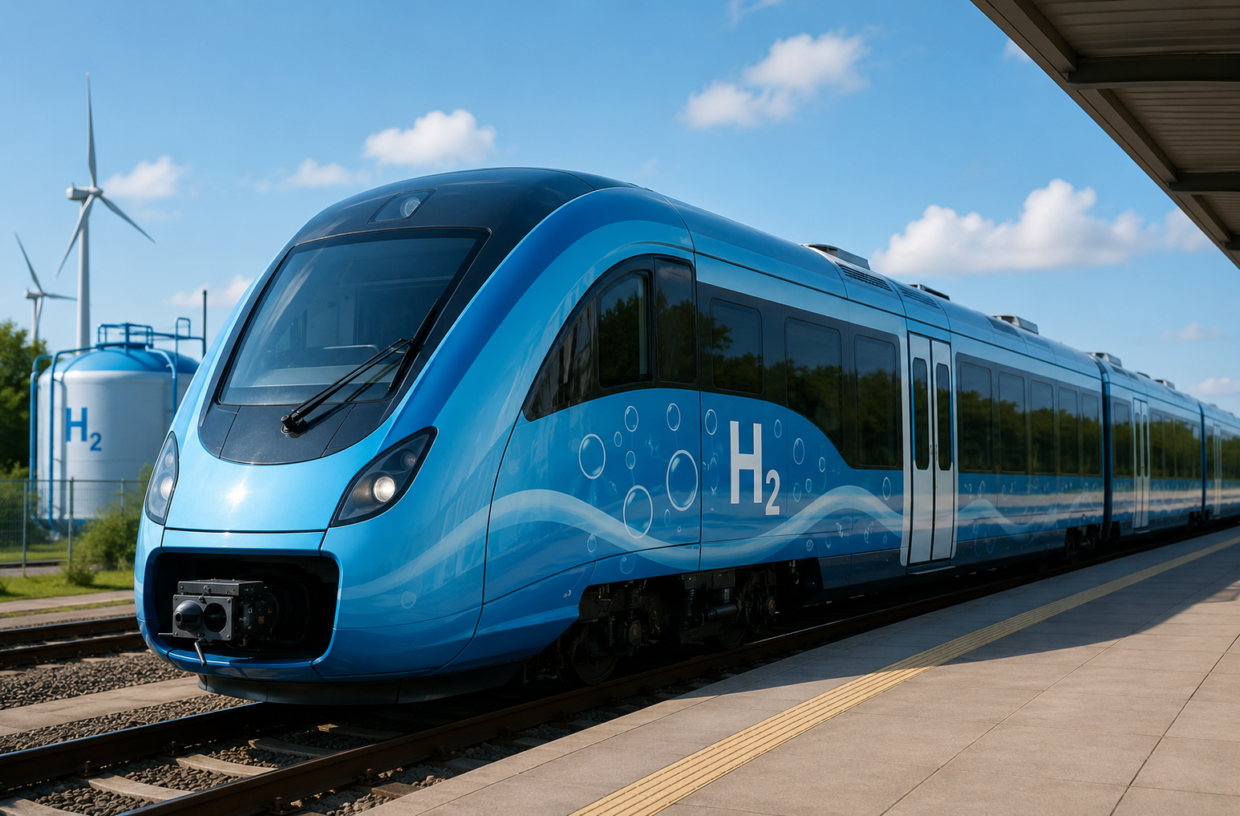
Unlike typical diesel trains, the hydrogen-powered train creates electricity using fuel cells. Hydrogen combines with oxygen inside the fuel cell to generate electricity, and the sole direct output is water vapor. This makes the train a zero-emission transportation system, contributing to India’s long-term goal of reaching net-zero carbon emissions by 2070.
India First Hydrogen Train Brings Green Mobility to Indian Railways
As a test experiment, a hydrogen-powered train was installed on the Northern Railway’s Jind-Sonipat stretch. It has two hydrogen-powered driving coaches and eight passenger coaches, with a total capacity of around 2,600 passengers. During the pilot phase, the train will travel at a maximum speed of 75 km/h, with the possibility of increasing speeds following additional testing and enhancements.
To complement the service, Indian Railways has developed a hydrogen manufacturing and refuelling facility in Jind. Green hydrogen is created through electrolysis, a method that separates hydrogen from water with electricity provided from renewable energy sources. In contrast to traditional diesel operations, this contributes to a cleaner transportation system.
Officials have praised the project as a key triumph for the Make in India effort because the train was developed and constructed in India. With this announcement, India joins a select group of countries that have implemented hydrogen-powered passenger trains as part of their sustainable transportation initiatives.
Passengers should expect quieter travels with less shaking than diesel-powered trains. As hydrogen fuel-cell technology gains traction, operating and maintenance expenses may become more efficient over time.
India First Hydrogen Train Fare, Route and Timing Details
The train runs between Jind and Sonipat, Haryana. According to the itinerary, it departs Jind at 7:40 a.m. and arrives in Sonipat at 9:40 a.m. The return trip departs Sonipat at 10:40 AM and arrives in Jind at 1:00 PM.
Ticket rates have been kept reasonable for the pilot program. Fares range from ₹5 to ₹25, based on distance traveled. This permits people to ride the country’s first hydrogen-powered train at standard passenger rates.
The unveiling is anticipated to spur more investment in clean railway technologies throughout India. Although the Indian Railways has made tremendous progress in electrification, hydrogen-powered trains offer an alternative for sections where full electrification is impractical or expensive. They can help to replace diesel trains on non-electrified parts while lowering greenhouse gas emissions.
However, experts feel there are still other difficulties to overcome before hydrogen trains become commonplace across the country. Green hydrogen production necessitates significant renewable energy capacity, whereas delivering and storing hydrogen securely necessitates specialized infrastructure. Fuel-cell technology has greater starting costs, though these are likely to fall as manufacturing increases.
Despite these hurdles, the successful deployment of India’s first hydrogen-powered train is seen as a significant step toward a greener transportation future. If the pilot project is successful, Indian Railways may progressively install hydrogen-powered trains on new lines, promoting sustainable mobility, local innovation, and long-term energy security for one of the world’s largest railway networks.
- you join our whatsapp channel
- you join our tazatimesnews Telegram Channel
- you join our tazatimesnews truthsocial.com Channel
- Also reads : OnePlus 13R price has been reduced by ₹5000, making it more affordable before the release of the next model.