One-Time Cholesterol Therapy : A novel cholesterol treatment being evaluated by experts is causing excitement in the medical community because it could help patients reduce hazardous cholesterol levels with a single dose. While researchers believe the breakthrough has the potential to lessen the risk of heart disease for millions of individuals, health professionals remain concerned about long-term safety, cost, and accessibility.
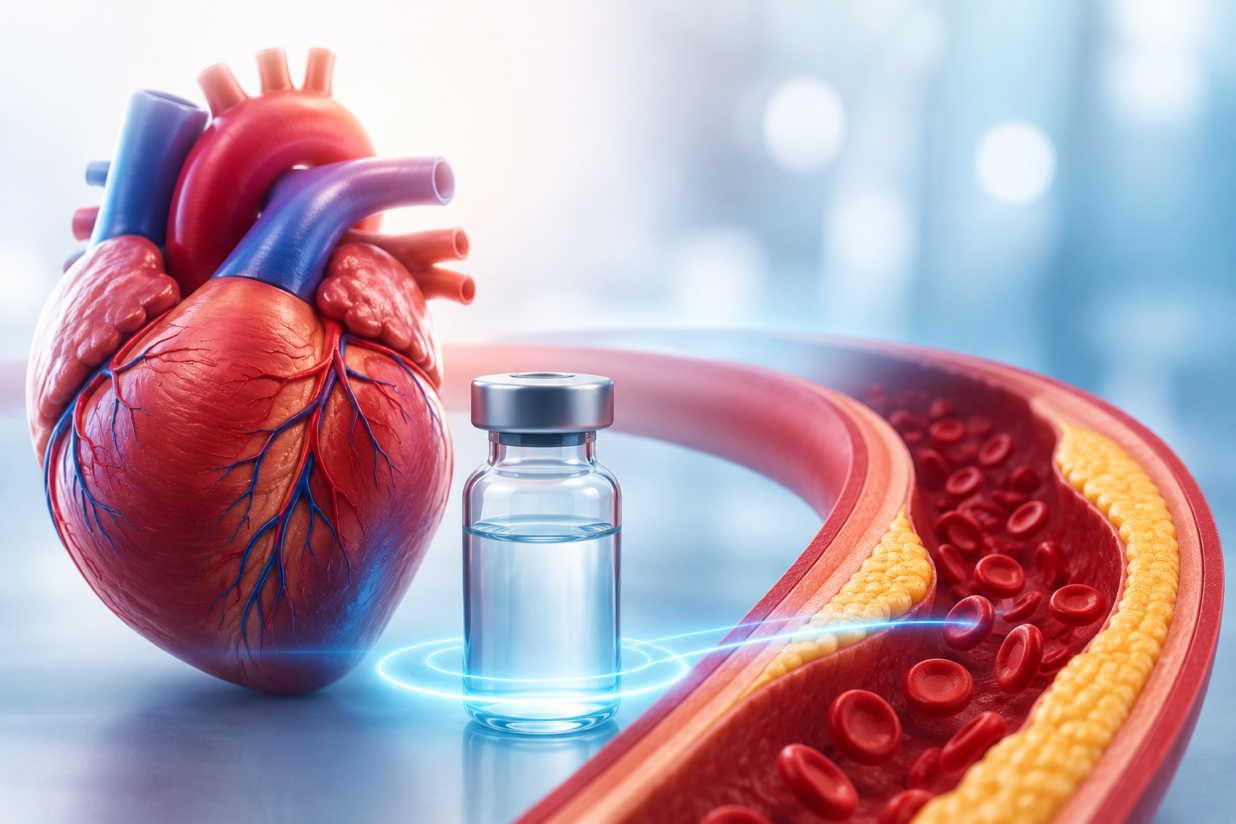
Scientists working on advanced gene-editing treatments believe the therapy targets a protein associated to high levels of LDL cholesterol, or “bad cholesterol.” High LDL cholesterol is one of the leading causes of heart attacks, strokes, and other cardiovascular disorders globally. Current therapies normally require lifelong medicine, such as daily tablets or injections, but this new technique may be effective after just one treatment.
According to the researchers, the therapy uses sophisticated genetic technologies to permanently lower cholesterol production in the liver. Early clinical trial data reveal promising LDL cholesterol reductions among participants who got the therapy. Medical experts feel that if larger trials continue to yield excellent results, this could revolutionize the future of heart disease prevention.
Future of Heart Care, One-Time Cholesterol Therapy
According to doctors and experts, one of the treatment’s primary benefits is convenience. Many individuals are unable to take cholesterol medications on a regular basis or must discontinue treatment due to adverse effects. A one-time therapy could boost patient compliance and help people maintain healthier cholesterol levels without relying on daily prescription regimens.
Health experts also believe the medication could benefit individuals with inherited cholesterol diseases, such as familial hypercholesterolemia, which produces abnormally high cholesterol from a young age. Despite living a healthy lifestyle and taking normal medications, these people are at a higher risk of developing early heart disease.
The medication works by targeting a gene that produces a protein called PCSK9, which influences how the body eliminates LDL cholesterol from the bloodstream. By lowering the activity of this protein, the liver becomes more efficient at removing toxic cholesterol from the blood.
However, experts warn that the treatment is still in its experimental stage. Larger trials are needed to see whether the advantages last for many years and if there are any unanticipated long-term adverse effects. Because the therapy permanently alters genetic function within the body, researchers are closely monitoring patient safety before broad approval.
Medical Innovation Debate, One-Time Cholesterol Therapy
While the scientific community is enthusiastic, healthcare experts believe affordability will be a significant barrier. Gene-editing treatments are frequently prohibitively expensive, and many patients may be unable to afford them if prices remain high. Insurance coverage and government healthcare policy are anticipated to be major factors in determining who can benefit from the therapy in the future.
Medical experts also caution that the public’s trust in gene-editing technologies remains uneven. Some people believe that improved medicines should be developed quickly, while others are concerned about the ethical and safety implications of genetic modification.
Cardiovascular disease remains one of the top causes of death worldwide, thus novel therapeutic options are extremely vital. According to health groups, millions of individuals worldwide continue to suffer from cardiac diseases caused by excessive cholesterol, obesity, smoking, and poor lifestyle habits.
Despite the unsolved uncertainties, many scientists see the new therapy as a potentially watershed moment in contemporary medicine. If additional trials confirm the treatment’s safety and efficacy, it has the potential to alter how doctors manage cholesterol and prevent heart disease worldwide.
For the time being, researchers remain cautiously optimistic about the innovation’s potential to give long-term protection for patients facing major cardiovascular risks.
- Join our whatsapp channel for daily updates.
- Follow tazatimesnews Telegram Channel for latest news alerts.
- Follow TazaTimesNews on TruthSocial for exclusive updates
- Also reads : 10 methods to manage high blood pressure without medication.