
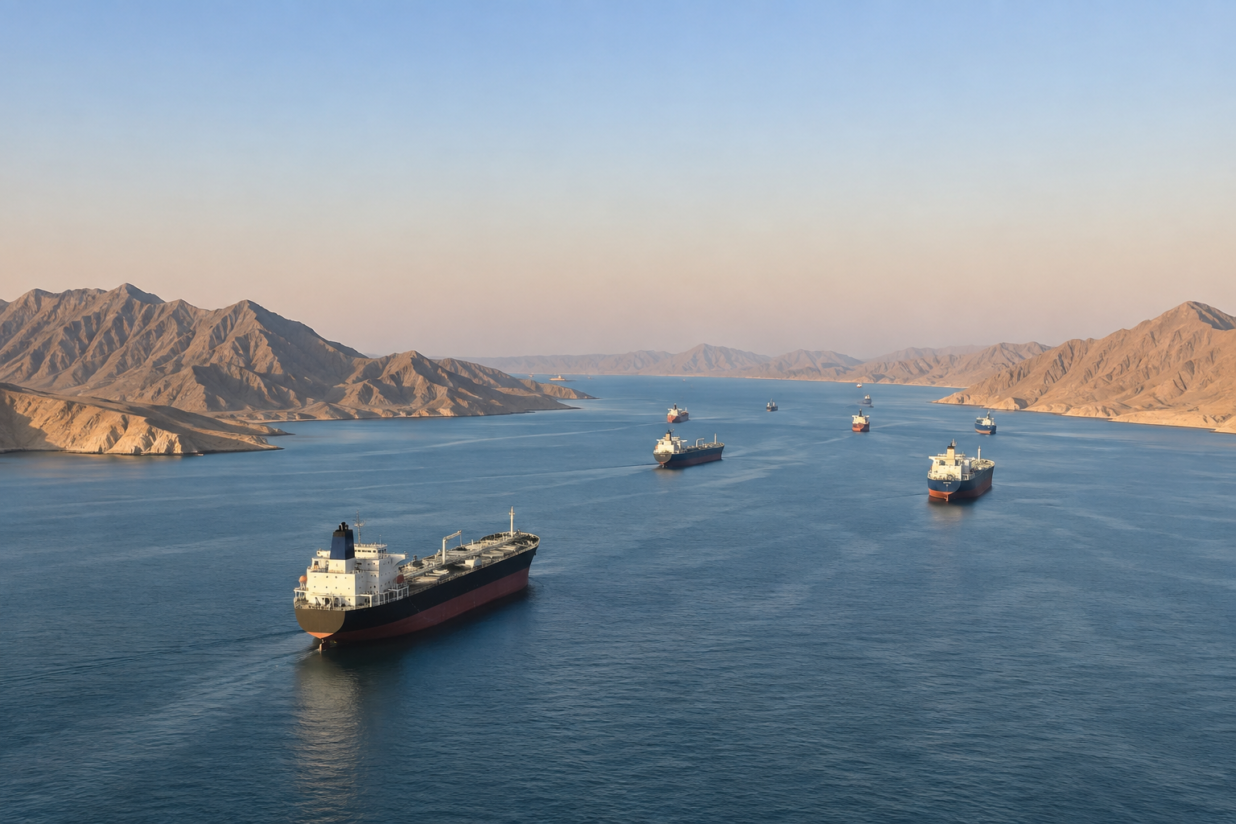
Hormuz Crossings : Ship traffic in the vital Strait of Hormuz increased somewhat on Monday following an abnormally quiet weekend. However, Hormuz crossings continued in single digits, much below usual levels.
The latest data come as uncertainty reigns over stalled peace talks between the US and Iran. Shipping businesses remain wary as concerns about security in the region persist.
According to Kpler’s preliminary shipping statistics, six commodity vessels crossed the Strait of Hormuz on Monday, reports Reuters. Three ships arrived and three exited the Gulf.
The total exceeded the weekend figures. However, it remained lower than the 10-day average of 11 crossings.
The waterway saw considerably less activity during the weekend. Only three ships crossed on Saturday, and two on Sunday. The low numbers indicate that maritime operators are still being cautious.
Hormuz Crossings Remain Low Amid US-Iran Peace Stalemate
The most recent Hormuz crossings data comes while discussions between Washington and Tehran remain stuck. The lack of progress has raised concern for companies operating vessels on the small river.
The Strait of Hormuz is a vital energy corridor. It links the Persian Gulf to the Gulf of Oman and the greater Arabian Sea.
A protracted decline in shipping activity may have an impact on the movement of crude oil, fuel, liquefied petroleum gas, and other commodities. The waterway is critical for transporting energy supplies from Gulf producers to worldwide markets.
According to data released on Monday, no very large crude carriers, or VLCCs, went through the strait. There were also no LNG tankers.
The absence of such huge energy boats is noteworthy. VLCCs and LNG carriers play critical roles in moving oil and gas from the Gulf to worldwide markets.
Shipping data may not provide the complete picture. Some vessels can turn off their automated identification system transponders while passing through the area.
Such vessels would not appear in tracking information. As a result, the real number of crossings may be greater than the given total.
Hormuz Crossings Show Slight Increase as Energy Risks Continue
The Xavia, a very large gas transport, was among the vessels observed on Monday. It entered the strait via the Iranian route without carrying cargo.
The vessel type is often used to transport liquefied petroleum gas, such as propane and butane.
Other observed movements included a medium-range petroleum tanker and an intermediate-range tanker entering the Gulf. Three additional vessels left the Gulf.
They comprised a medium-sized LPG carrier, a Panamax bulk carrier, and a Panamax gasoline tanker.
The slight rise in traffic may provide a limited positive signal for the shipping industry. However, it is too early to call the latest trend a recovery.
The number of six vessels is still below the recent norm. The absence of significant crude and LNG tankers implies that energy shipping industry is still under pressure.
The issue could have broader economic implications. Lower traffic via the Strait of Hormuz may raise concerns about energy supply. It might also raise transportation and insurance expenses for shipping companies.
Oil markets have already reacted to the uncertainty surrounding the US-Iran confrontation and the future of the crucial waterway.
For global energy consumers, the primary concern is whether vessel movements will accelerate in the next days. If diplomatic attempts are unsuccessful, activity may plummet again.
Until there is improved confidence in security and US-Iran ties, the Strait of Hormuz is likely to remain a top priority for shipping firms, oil dealers, and governments around the world.
- Join our whatsapp channel for daily updates.
- Follow tazatimesnews Telegram Channel for latest news alerts.
- Follow TazaTimesNews on TruthSocial for exclusive updates
- Also reads : Goldman Sachs Says Japan Leads Asia’s Buyout Opportunities as Private Equity Activity Grows