
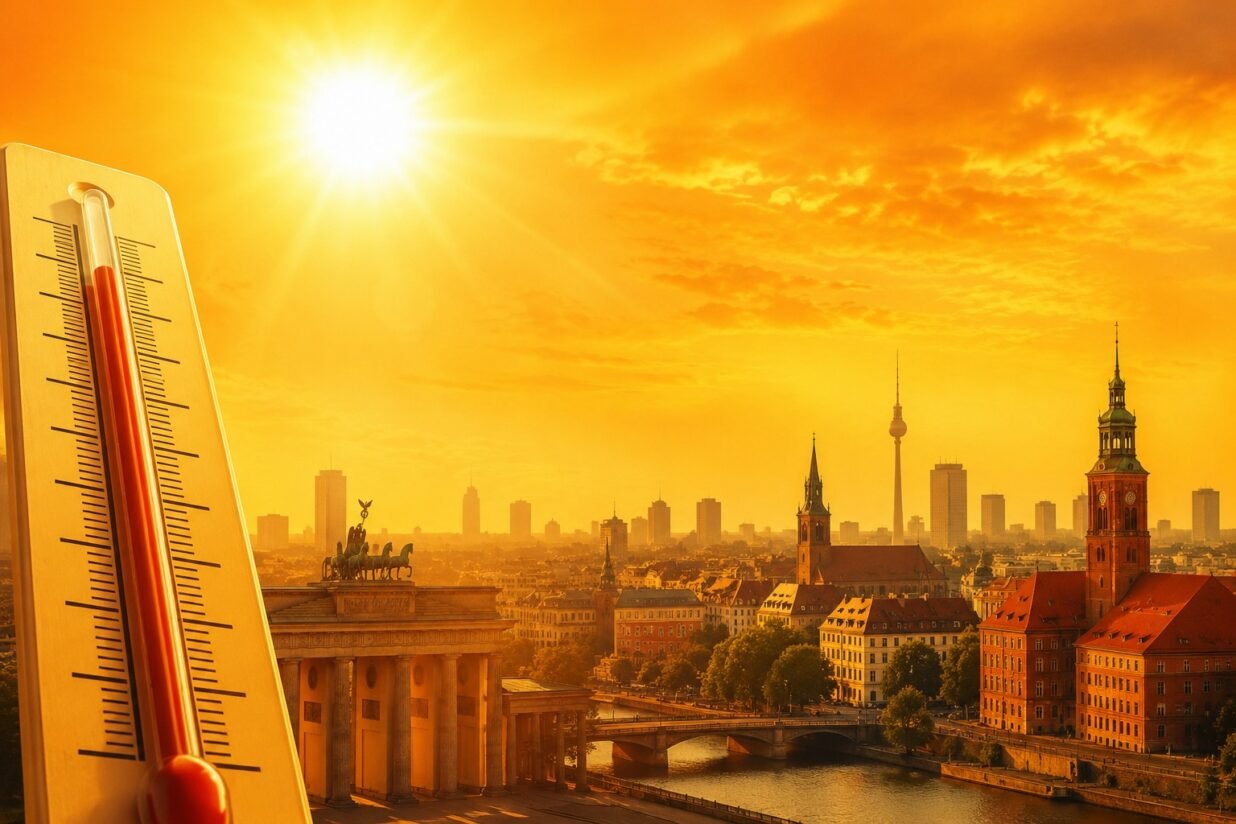
Germany Heatwave : Germany and Poland are bracing for a catastrophic heatwave as excessive temperatures spread east across Europe, posing health hazards, causing transportation problems, and putting a strain on public services. Temperatures were expected to reach 40 degrees Celsius in some regions, and authorities cautioned residents to take measures during the heat wave.
The heatwave has already had an impact on several European countries, resulting in deaths, infrastructure concerns, and disruption. Germany and Poland are now among the countries hardest hit as the hot weather system moves over the area.
In Germany, officials and inhabitants braced themselves for high heat. Some places had already seen extremely high temperatures, and forecasts indicated more increases. The heat has sparked concern about the impact on transportation networks, electrical usage, and public health services.
The weather phenomenon has been related to an ongoing atmospheric trend that has held hot air across Europe. Scientists have cautioned that climate change is increasing the frequency and severity of extreme heat occurrences.
Germany Poland Heatwave Creates Health and Infrastructure Challenges
The heatwave in Germany and Poland has posed major issues for communities as temperatures soar. Health officials have warned individuals, particularly the elderly and those with medical issues, to avoid extended exposure to excessive heat and stay hydrated.
The scorching weather has put pressure on Germany’s transportation sector. High temperatures can harm railways, roads, and other infrastructure. Authorities have made precautions to minimize disturbance and prepare for potential problems caused by the heat.
Poland has also prepared for rising temperatures, issuing warnings about heat-related risks and potential wildfires in dry areas. As the scorching weather extends eastward, emergency services are increasing their vigilance.
Extreme heat has disrupted normal life across Europe. Events have been rescheduled or cancelled in certain areas, while companies and public agencies have had to adapt to the unexpected weather circumstances.
According to experts, northern and central European countries face higher issues because many buildings and systems were not meant to withstand repeated harsh temperatures. The growing demand for cooling has put strain on electricity networks.
Germany Poland Heatwave Impact Raises Climate Change Concerns
The expansion of the heatwave has reignited debates about Europe’s capacity to deal with more regular catastrophic weather occurrences. According to climate experts, rising global temperatures are increasing the frequency and intensity of extreme heatwaves.
The current heatwave has impacted travel, tourism, and public safety in various nations. Railway companies and municipal governments have cautioned that severe temperatures might pose operating issues and raise the possibility of delays.
Meteorologists expect some reprieve when weather patterns shift, with storms potentially lowering temperatures in impacted areas. However, officials stay vigilant since unexpected weather changes might introduce new threats, such as excessive rainfall and flooding.
The scenario in Germany and Poland exemplifies the broader influence of climate-related events on contemporary societies. To mitigate future hazards, governments are increasingly focused on heat protection strategies, improved infrastructure, and public awareness campaigns.
As Europe faces more extreme weather, the recent heatwave serves as yet another reminder of the importance of better preparation. Communities around the region are adapting to the shifting climate, while authorities continue to watch the situation attentively.
- you join our whatsapp channel
- you join our tazatimesnews Telegram Channel
- you join our tazatimesnews truthsocial.com Channel
- Also reads : ICAI CA September Result 2025 : Expected Results for ICAI CA by November 3