Crisis in Persian Gulf : The United Nations has expressed grave worry over a developing humanitarian crisis in the Persian Gulf, where nearly 20,000 mariners are still trapped due to mounting geopolitical tensions and a lengthy blockade on one of the world’s busiest shipping routes.
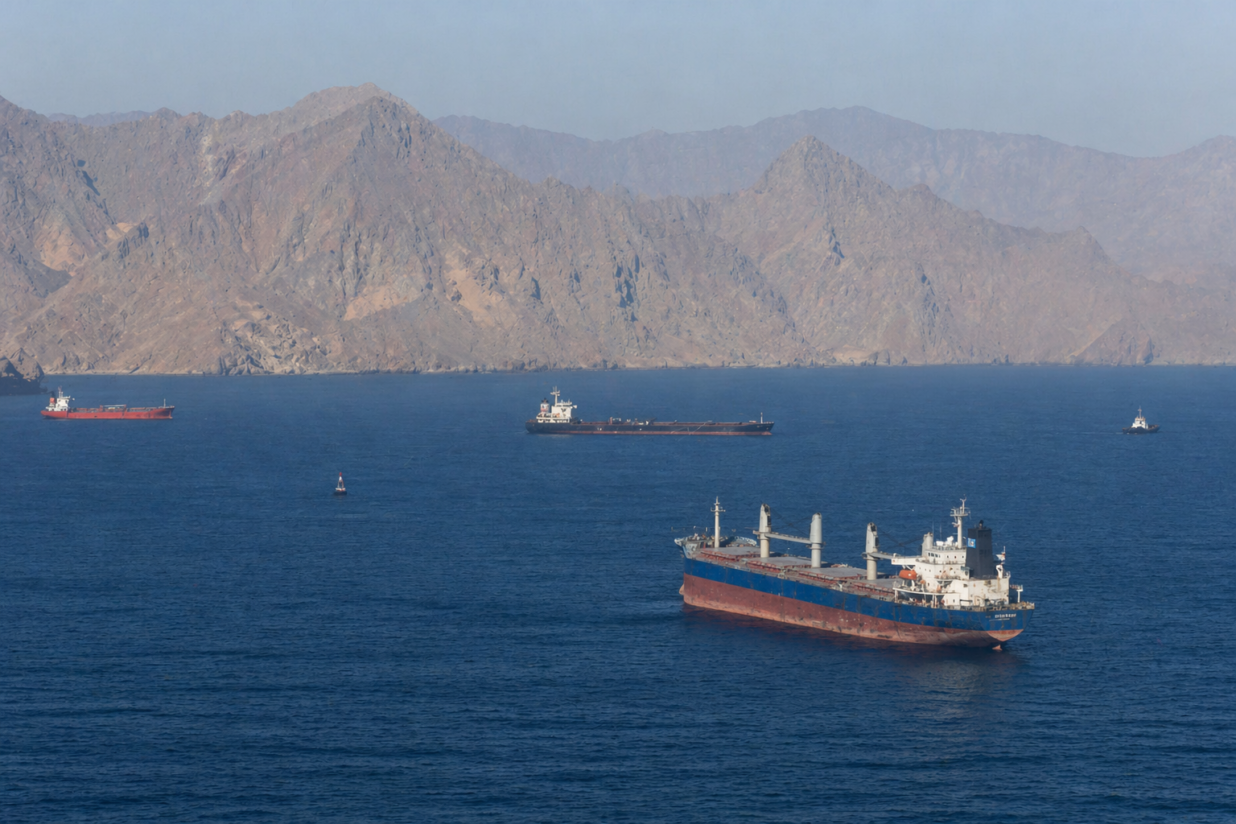
The scenario arose as a result of the protracted dispute over the Strait of Hormuz, a critical maritime corridor responsible for shipping a large portion of world oil and commerce. As military actions and threats persist, hundreds of ships have been unable to proceed, trapping workers at sea for weeks with few supplies and increasing mental stress.
According to UN estimates, thousands of civilian sailors are virtually stranded on vessels across the region, demonstrating how commercial shipping has become a quiet victim of the larger battle.
Growing Humanitarian Crisis in Persian Gulf Seafarers Stuck
The United Nations has classified the situation as worrying, stating that seafarers face deteriorating living conditions, uncertainty, and safety threats. Many ships are anchored without clear clearance to sail across the Strait, which has been mostly shut since the situation escalated.
According to reports, several crew members have watched missile and drone attacks from their ships, which has added terror and psychological stress to an already difficult situation. In numerous situations, vessels have been caught near war zones, requiring crews to remain on high alert.
Shipping activity has fallen significantly. Prior to the crisis, nearly 100 ships traversed the Strait every day, but today barely a fraction do so due to safety concerns.
The UN and marine organizations have cautioned that the longer the crisis persists, the more devastating the humanitarian consequences will be. Limited access to medical treatment, communication difficulties, and exhaustion are all increasing hazards for individuals onboard.
Global Impact as Persian Gulf Seafarers Crisis Escalates
The crisis is not merely a humanitarian issue; it also poses a significant danger to global trade and energy supplies. The Strait of Hormuz transports over 20% of the world’s oil, making any disruption extremely critical for international markets.
Recent developments indicate a growing international effort to resolve the crisis. Countries and organizations have explored establishing safe corridors for ships to travel through, while military preparations such as escort missions are being examined to guide vessels through the dangerous zone.
Nonetheless, tensions remain high. Conflicting political interests and security threats have complicated negotiations, leaving thousands of sailors waiting for a resolution.
Experts warn that if the standoff persists, it might lead to higher fuel costs, supply chain disruptions, and increased global market volatility. At the same time, the human cost continues to climb, with crew members unsure when they will be able to return home.
The United Nations has encouraged all parties to prioritize humanitarian concerns and safeguard the safety of civilian sailors, emphasizing that they should not be victims of geopolitical disputes.
- you join our whatsapp channel
- you join our tazatimesnews Telegram Channel
- you join our tazatimesnews truthsocial.com Channel
- Also reads : Trump Iran Blockade: US Naval Pressure Reshapes Global Oil Markets and Geopolitics