The Iran Hormuz Blockade began a new phase as Iran-linked commercial vessels successfully traveled through the Strait of Hormuz soon before the United States tightened its enforcement efforts against Iranian maritime activities. The developments have raised additional concerns about the security of one of the world’s busiest energy corridors, with governments, shipping firms, and energy markets keenly monitoring the situation.
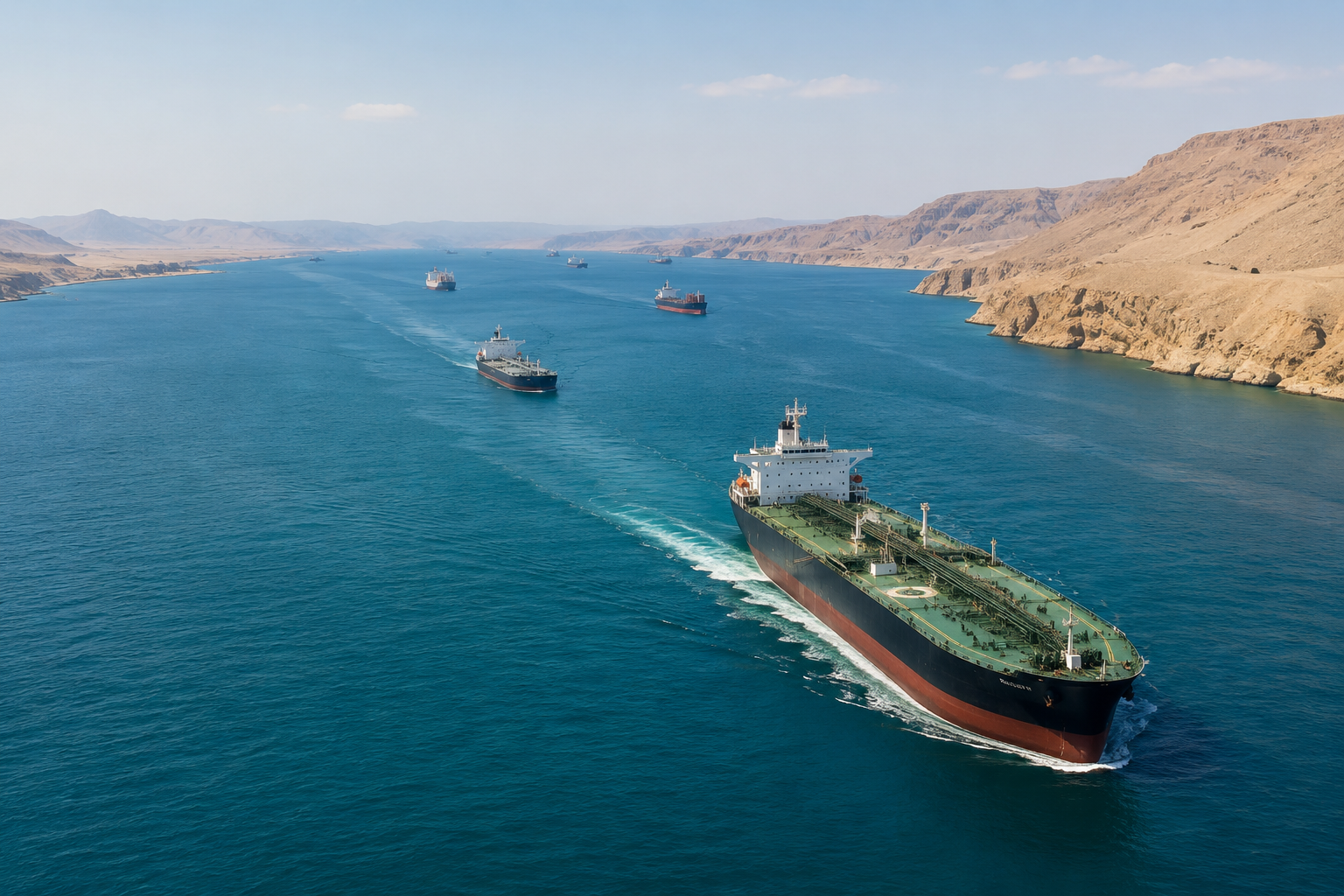
According to marine tracking data, many Iran-linked commercial vessels passed through the crucial Strait of Hormuz ahead of increased US enforcement actions. Although total shipping traffic is still lower than usual due to regional security concerns, the smooth passage of these vessels demonstrates that commercial operators continue to cross the Gulf despite increased geopolitical tensions.
The Strait of Hormuz is one of the world’s most important maritime chokepoints, accounting for approximately a fifth of worldwide crude oil and liquefied natural gas exports. Any disruption in shipping via the narrow channel can have a significant impact on global energy supplies, freight costs, maritime insurance, and fuel prices.
Iran Hormuz Blockade Keeps Global Shipping Under Pressure
Following recent regional tensions, the US has tightened restrictions on Iranian marine operations as part of a larger campaign to put more pressure on Tehran. According to US officials, the restrictions are intended to protect international shipping while also maintaining free sailing through the Strait of Hormuz.
According to ship-tracking firms, several Iran-linked vessels successfully completed their passage across the vital canal prior to the stricter enforcement. Shipping businesses continue to closely monitor the security situation, with many modifying sailing timetables and operations plans to limit exposure to possible military activity.
Marine insurers have also boosted their risk assessments for vessels operating in the Gulf. If tensions persist, rising insurance premiums and additional security requirements may drive up transportation costs for crude oil and refined petroleum products.
According to industry analysts, maritime activity has improved modestly in comparison to the significant slowdown experienced during previous periods of turbulence. However, vessel operators remain wary, as military developments and political conversations have the potential to quickly change regional conditions.
Iran Hormuz Blockade Raises Global Energy Market Concerns
The most recent changes have sparked widespread interest in the global energy markets. Oil prices rose as investors reacted to increasing geopolitical tensions between Washington and Tehran, stoking concerns about potential disruptions to energy infrastructure and international trade routes.
President Donald Trump has stated that the United States will continue to apply pressure on Iran unless it ceases measures that Washington considers to be risks to commercial shipping and regional security. Iranian officials have denied the charges, insisting that the country has the right to protect its national and regional interests.
Energy professionals fear that prolonged volatility in the Strait of Hormuz might have serious economic ramifications. Because almost one-fifth of global oil trade regularly travels through the channel, any extended disruption to tanker traffic may reduce supply, raise transportation costs, and drive fuel prices higher across international markets.
Several states have encouraged both Washington and Tehran to avoid further escalation and resume diplomatic contact. Maritime experts emphasize that maintaining the Strait of Hormuz open and secure is critical for global trade, energy security, and economic stability.
For the time being, the Iran Hormuz Blockade keeps commercial shipping under tight surveillance. Energy dealers, shipping companies, insurers, and policymakers are all keeping an eye on future military and diplomatic developments, which might determine whether the region becomes more stable or experiences further upheavals.
- Join our whatsapp channel for daily updates.
- Follow tazatimesnews Telegram Channel for latest news alerts.
- Follow TazaTimesNews on TruthSocial for exclusive updates
- Also reads : Goldman Sachs Says Japan Leads Asia’s Buyout Opportunities as Private Equity Activity Grows