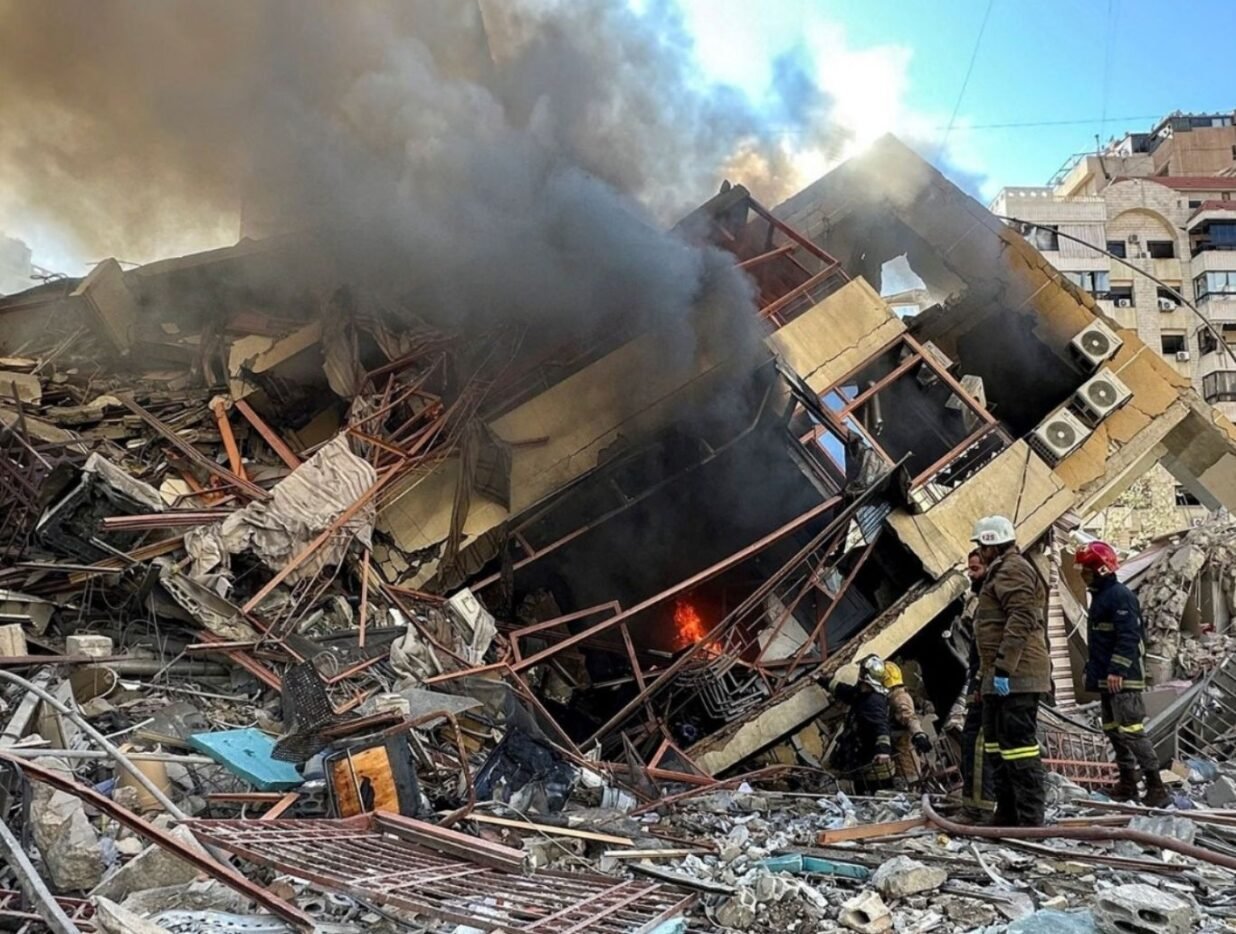
Iran US Air Base Jordan: Tensions in the Middle East have risen anew as Iran claimed it carried out a missile strike on a US air station in Jordan, following a new wave of American military attacks on Iranian targets. The current exchange is another perilous chapter in Washington and Tehran’s continuing battle, increasing concerns about regional security, global oil supply, and the possibility of a larger conflict.
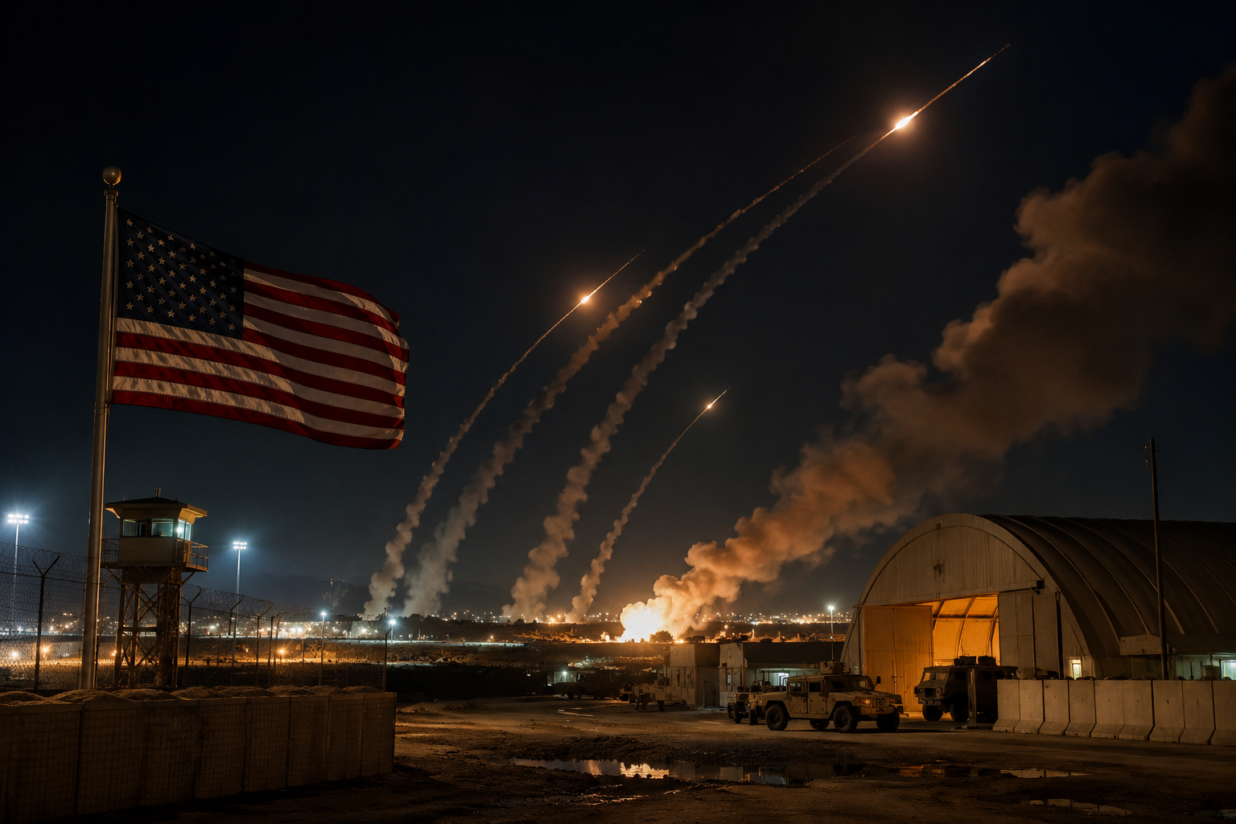
Iranian state television reported that the country’s armed forces fired ballistic missiles at a US military site in Jordan in retaliation to new American air attacks ordered by US President Donald Trump. Jordan’s military stated it intercepted many incoming missiles before they reached their intended targets, thereby preventing further damage.
Iran Says US Air Base in Jordan Was Targeted After Five Hours of US Attacks
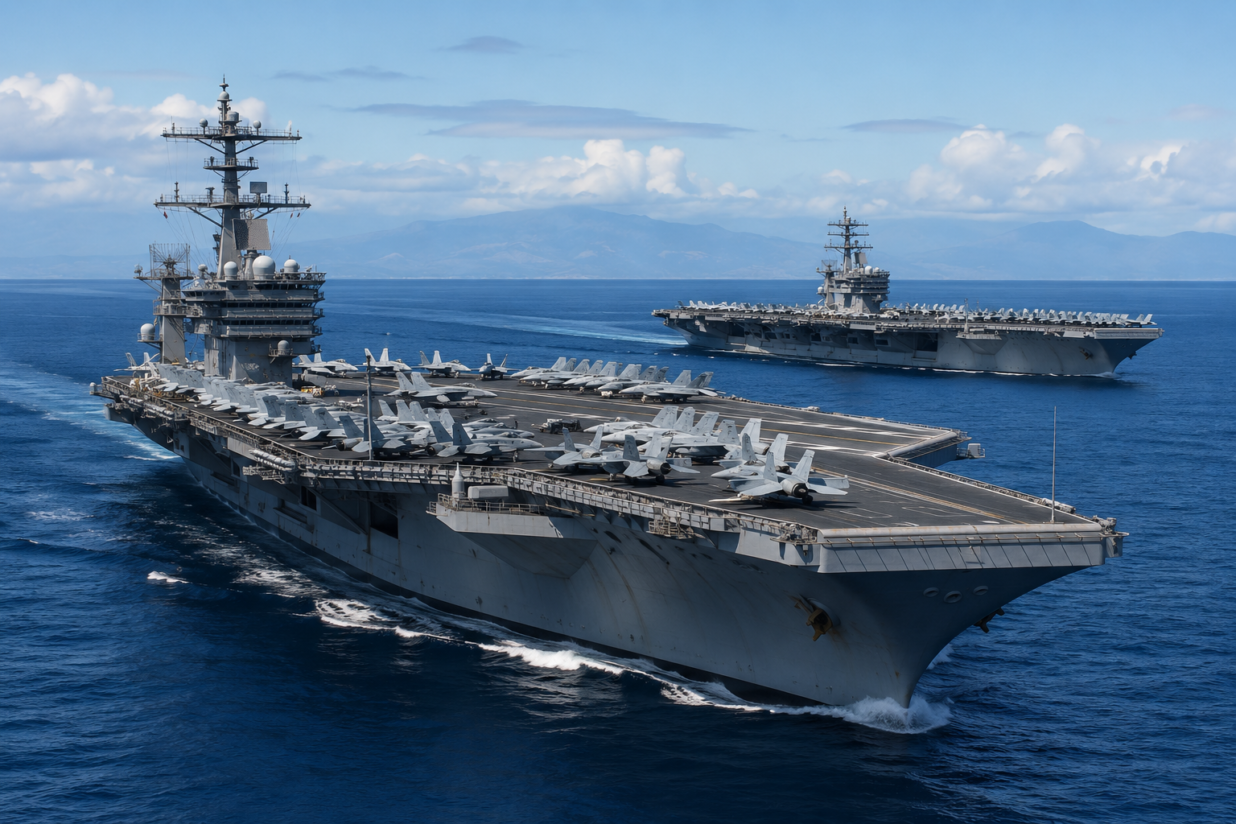
Iran claimed the missile launch was a direct retaliation to nearly five hours of US military strikes on Iranian military assets. The US Central Command reported that American forces have finished a long-running series of attacks against Iranian missile, drone, radar, and marine sites. The Pentagon stated that the operation aimed to diminish Iran’s ability to harm international shipping and US soldiers in the region.
President Donald Trump justified the military operation, saying the US would continue to safeguard its interests and ensure freedom of navigation in the Strait of Hormuz. The important waterway remains one of the world’s busiest energy routes, transporting a large portion of global oil exports. Any disruption in shipping through the strait might have a significant impact on global gasoline prices and international supply networks.
Iranian officials accused Washington of escalating the situation with repeated military operations, warning that any further assaults will be met with a heavier response. Tehran also encouraged neighboring nations that host US military bases to reconsider allowing foreign forces to operate on their land, claiming that such installations may become potential military targets if the crisis escalates.=
Jordan stated its air defense systems intercepted multiple ballistic missiles fired against its territory, and it emphasized that safeguarding its sovereignty and civilians’ safety remains its top priority. Authorities also stated that security forces are still monitoring the quickly developing scenario.
Iran US Air Base Jordan Tensions Raise Global Security and Oil Market Concerns
The latest military exchange has increased fears of a wider regional conflict involving multiple Middle Eastern countries. Analysts say continued hostilities between the United States and Iran could threaten commercial shipping, disrupt international aviation routes, and increase pressure on already volatile global energy markets.
Oil prices rose as investors responded to growing uncertainty surrounding the Strait of Hormuz, where previous military activity has already sparked worry among shipping companies and oil dealers. Insurance prices for commercial vessels operating in the Gulf have remained high due to the deteriorating security situation.
Governments around the region have urged caution while increasing security around military stations, ports, and other important infrastructure. Diplomatic efforts continue behind the scenes, but no imminent breakthrough has been disclosed.
Military analysts believe the most recent exchange highlights how fast minor military situations can grow into larger regional conflicts. With US military stationed in numerous Gulf nations and Iran still possessing significant missile capabilities, the possibility of further retaliation remains high if diplomatic avenues fail to reduce tensions.
International observers have urged all sides to avoid further escalation and return to discussion. Governments, financial markets, and energy firms throughout the world are closely monitoring the situation, as any protracted interruption in the Gulf may have long-term implications for global trade, oil supplies, and regional stability.
For the time being, both Washington and Tehran continue to defend their military actions while planning for potential future events. As tensions remain high, the next several days will be key in determining whether the issue will be resolved by negotiation or military conflict.
- Join our whatsapp channel for daily updates.
- Follow tazatimesnews Telegram Channel for latest news alerts.
- Follow TazaTimesNews on TruthSocial for exclusive updates
- Also reads : A few weeks before turning 90, Best actor Dharmendra passes away in Mumbai: News Agency IANS