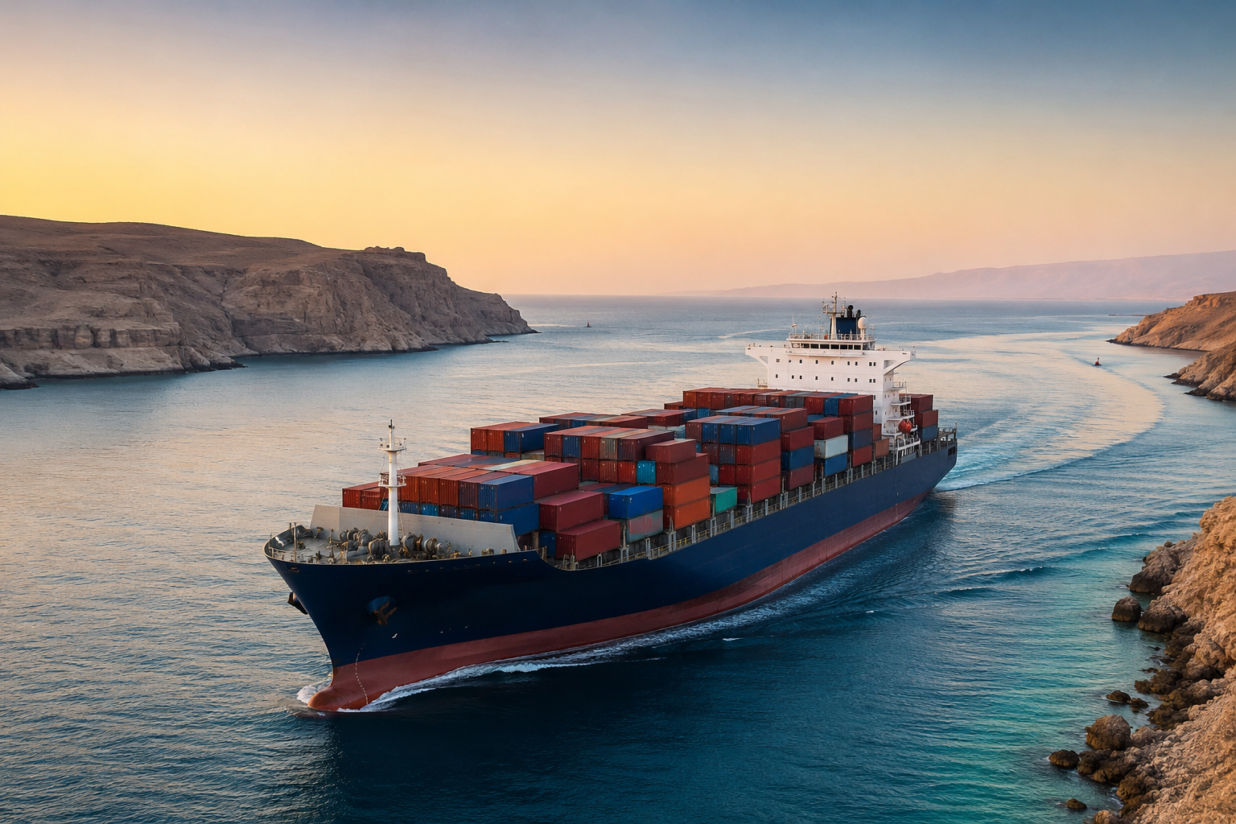
South Korea Cargo Ship : According to South Korea’s Oceans Ministry, the cargo tanker HMM Namu is slated to leave the Strait of Hormuz in mid-July after completing repairs following a May attack in the Gulf region. The planned movement provides some comfort to the ship and its crew, but the episode has underlined the mounting hazards to international maritime routes in the Middle East.
The vessel, operated by South Korean shipping company HMM, was damaged after being hit by unidentified items while operating near the critical canal. South Korean officials claimed the ship was not breaking any rules and classified the incident as an attack on a commercial vessel.
The Strait of Hormuz is one of the world’s most vital marine routes, as it transports a large portion of global energy supplies. Any regional disturbance has the potential to impact shipping timetables, fuel markets, and worldwide trade.
The South Korean government has been closely monitoring the situation and collaborating with shipping companies to ensure the safe transit of ships. Officials stated that repairs to HMM Namu must be completed before the ship can safely leave the area.
HMM Namu Strait of Hormuz Incident Increases Maritime Security Concerns
The attack on HMM Namu triggered broader worries about Gulf commercial transportation safety. Following the event, South Korea initiated an inquiry and enhanced contact with vessels operating in the vicinity. The government also considered various security measures to protect its ships and crew members.
The vessel’s damage was originally attributed to an explosion and fire that devastated a portion of the ship. Although the crew was safe, the incident prompted concerns about the risks faced by commercial ships traveling through conflict zones.
Shipping businesses all around the world are becoming more wary about routes near the Strait of Hormuz, since assaults or security threats can cause cargo deliveries to be delayed and increase operating expenses. Recent disruptions in the region have already hampered maritime activity and added uncertainty to global shipping networks.
South Korea has taken a cautious approach to the regional confrontation, focusing on defending its commercial interests. The administration has underlined the necessity of safe sailing and protecting Korean-operated ships.
Geopolitical conflicts can have an impact on international trade, as seen by this instance. A single event involving a cargo ship might raise general concerns about energy supply, transportation costs, and company trust.
South Korea Cargo Ship Recovery Brings Hope But Gulf Tensions Continue
HMM Namu’s imminent resignation is viewed positively after weeks of uncertainty. However, experts say the overall security situation near the Strait of Hormuz is still a big issue for shipping companies and governments.
The international shipping sector is keeping a close eye on changes because the canal is so important to global business. Companies must weigh the necessity to keep trade flowing against the risks posed by regional instability.
The incident has focused South Korea’s attention on protecting overseas shipping activities. The country relies substantially on foreign commerce routes, hence maritime security is a major national concern.
The HMM Namu case serves as yet another reminder that global shipping is dependent on political stability as well as logistics and technology. While the ship’s planned evacuation gives immediate relief, constant surveillance is required to avoid further disturbances.
As repairs are completed and the vessel prepares to leave the Strait of Hormuz, governments and shipping businesses throughout the world will continue to monitor the region for signs of improvement or new threats.
- Join our whatsapp channel for daily updates.
- Follow tazatimesnews Telegram Channel for latest news alerts.
- Follow TazaTimesNews on TruthSocial for exclusive updates
- Also reads : Dandruff removal : Experts Share Simple Hair Care Tips for Naturally Removing Dandruff