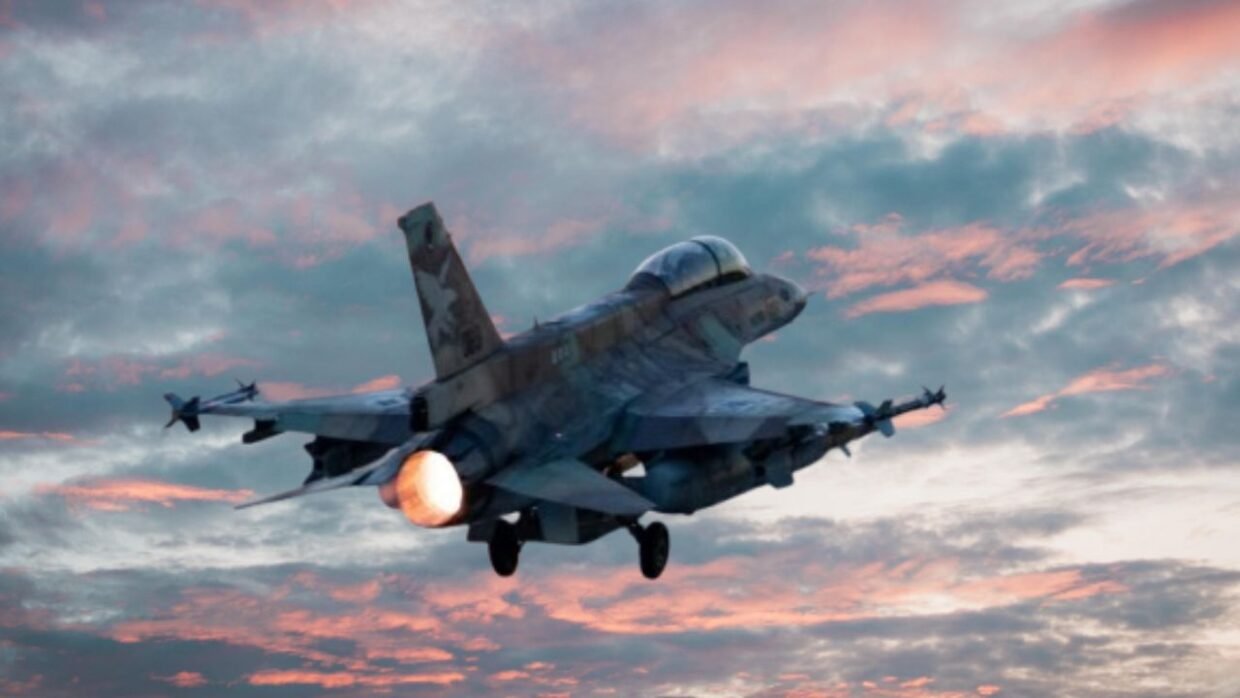
The Iran missile attack reportedly targeting commercial ships in the Strait of Hormuz has sharply escalated tensions in the Middle East, raising fresh concerns over global energy supplies, maritime security, and regional stability. The incident has also increased uncertainty over ongoing diplomatic efforts between Tehran and Washington.
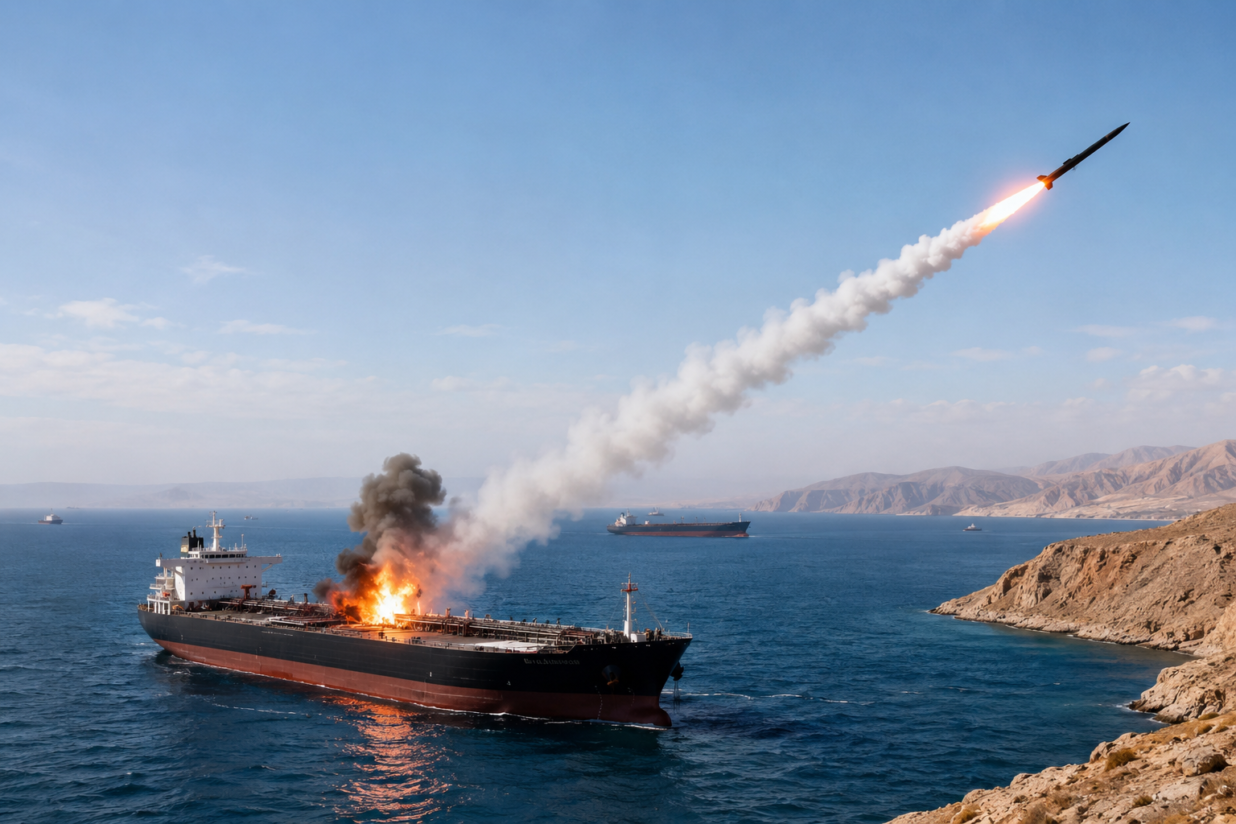
According to US officials reported in media reports, Iran’s Revolutionary Guards allegedly fired at least two missiles toward commercial vessels sailing one of the world’s busiest oil shipping routes. The alleged attack caused severe damage to two ships, although no crew members were killed or injured. The recent development has raised concerns about additional military escalation in the Gulf region.
Strait of Hormuz Missile Attack Raises Global Shipping Concerns
One of the damaged vessels was the Al Rekayyat, a liquefied natural gas (LNG) ship owned by Qatar. Officials reported that the ship was struck near its engine room while cruising around eight nautical miles east of Limah, Oman. The accident reportedly resulted in a fire and strong smoke, causing crew members to relocate to a safer area of the vessel while emergency measures were implemented.
The United Kingdom Maritime Trade Operations (UKMTO) stated that an unidentified projectile struck a commercial ship in the vicinity. Despite the onboard fire, authorities reported no injuries or evidence of a severe environmental disaster. Maritime officials continue to monitor the situation, with vessels going through the Strait being on high alert.
The Strait of Hormuz is one of the world’s most strategically vital waterways, with a large portion of global crude oil and liquefied natural gas exports flowing through it every day. Any disruption in this limited maritime corridor can have a significant impact on international energy markets, shipping insurance costs, and global fuel prices.
According to media reports, Iranian military had previously warned vessels via maritime radio communications that they were prepared to shoot ships traveling routes not allowed by Iranian officials. These warnings have increased concern for commercial shipping companies operating in the Gulf.
Iran Missile Attack Intensifies Tensions Amid Diplomatic Uncertainty
The suspected missile strike came shortly after indirect talks between the US and Iran apparently ended without making significant progress. The delayed diplomatic attempts have raised concerns that both sides may struggle to avoid another armed conflict.
Following the event, US President Donald Trump reiterated Washington’s commitment to reaching a diplomatic agreement with Iran, but stressing that military force remained a possibility if discussions failed. His statements emphasized the delicate balance between diplomacy and deterrence as regional tensions escalate.
Security specialists believe that recent developments may have an impact on international shipping decisions and lead to heightened Navy patrols in the Gulf. Energy traders are also closely watching the situation, since any disruption in oil exports through the Strait of Hormuz may have an immediate impact on world crude prices.
Governments in the region are anticipated to tighten maritime security measures, while international organizations continue to monitor developments. Shipping companies may also reevaluate sailing routes and operational hazards until one of the world’s most crucial energy corridors is stable again.
The situation is fluid, and officials are constantly monitoring developments as global markets await more information from the Gulf region.