
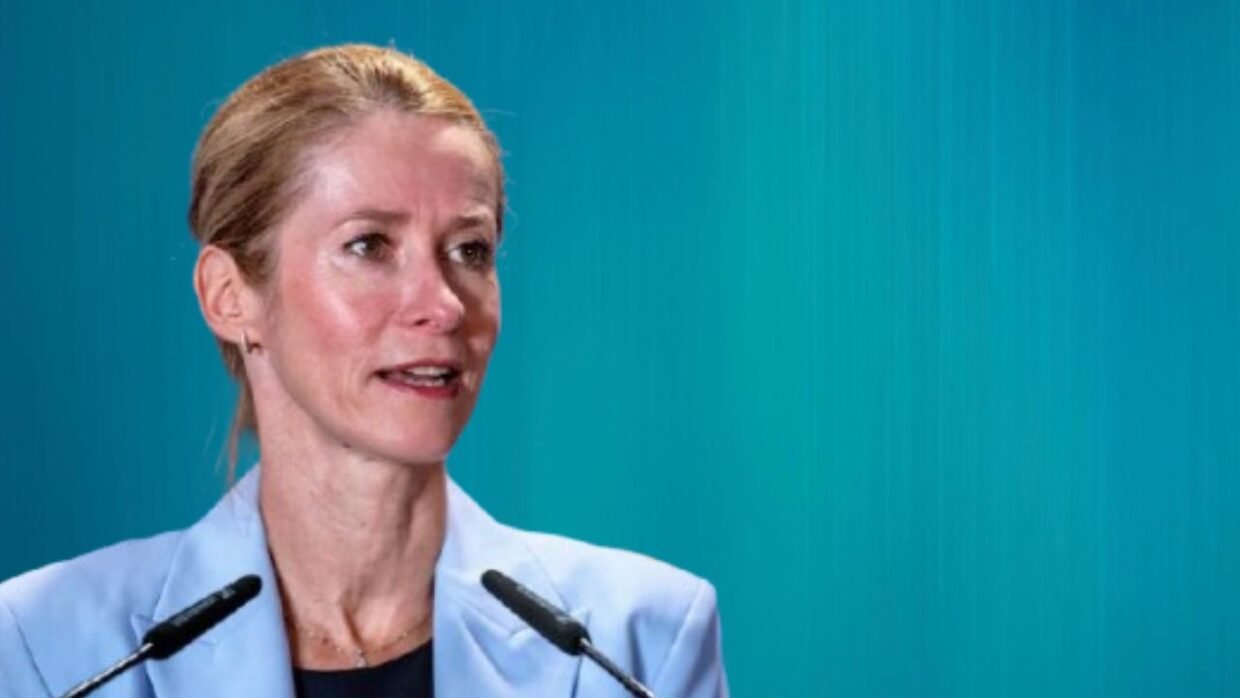
EU Russia Sanctions: The European Union is preparing a significant new package of sanctions against Russia, with EU foreign policy leader Kaja Kallas stating that the restrictions will be implemented in the autumn of 2026. The proposed package might become the EU’s most comprehensive sanctions list against Russia since the start of the Ukrainian conflict.
Kallas made the remarks during an interview with the German publication Die Welt. She claimed that the EU’s existing sanctions had already put enormous economic pressure on Russia and reduced the resources available for its military efforts.
According to Kallas, EU sanctions have cost Russia’s military machine more than €1 trillion ($1.16 trillion). She stated that pressure on Moscow should be increased until Russia ceases its conflict in Ukraine.
EU Russia Sanctions Could Expand Significantly
One of the most significant parts of the proposed package is its possible influence on the number of Russian firms under EU sanctions.
Kallas stated that once the new measures are implemented, the number of sanctioned Russian entities will quickly increase by around one-third. This would make the planned designations one of the most significant extensions of the EU’s sanctions policy since the war began.
However, Kallas did not provide a comprehensive list of firms, organizations, or individuals who could be targeted. She also could not provide a clear date when the new package will be officially adopted.
The proposal must yet go thru the EU’s decision-making procedure before the sanctions may take effect.
New Autumn Package Could Increase Pressure on Moscow
In response to Russia’s invasion of Ukraine, the EU utilized sanctions as a key economic and diplomatic tool. Throughout the war, the bloc imposed restrictions on Russian persons, businesses, financial institutions, and other areas related to the Russian economy.
The most recent big package was approved by the EU in July 2026. According to Reuters, the measures included limits on Russia’s banking and cryptocurrency networks.
The proposed autumn package would build on previous measures by significantly increasing the number of Russian firms subject to restrictions.
European authorities believe that extending sanctions will make it more difficult for Russia to keep access to financial resources and international economic networks that can assist its military effort.
EU Russia Sanctions Focus on Maintaining Economic Pressure
Kallas’ remarks suggest that the EU does not intend to ease its sanctions campaign while the war continues.
She stated that the pressure must continue until Moscow finishes its war in Ukraine. That shows that the European Union views sanctions as a long-term tool rather than a quick fix.
The effectiveness of the new regulations will, however, be determined by which businesses are added to the sanctions list and how well the limitations are enforced.
The EU also faces the difficulty of preventing sanctions from being circumvented by alternative financial networks, corporations, and foreign intermediaries. Any new package might consequently raise monitoring of companies and organizations suspected of assisting sanctioned Russian entities in continuing their activities.
New Sanctions Could Have Wider Economic Effects
An extended sanctions list may have ramifications beyond the entities immediately targeted.
European enterprises doing business with Russia or organizations related to sanctioned entities may face additional compliance obligations. Financial institutions may also need to perform additional checks to verify that transactions do not break EU rules.
At the same time, Russia may continue to explore for other markets, business partners, and financial conduits to mitigate the effects of Western sanctions.
The overall economic impact of the proposed changes will be determined by their final scope and implementation. Kallas has not yet provided any information about the aims, therefore it is too early to say which sectors or enterprises will be most affected.
EU Signals Long-Term Commitment to Ukraine
The proposed sanctions package also conveys a broader political message about the EU’s response to the conflict in Ukraine.
By contemplating another big increase of sanctions, European authorities demonstrate their commitment to maintaining economic pressure on Moscow. Kallas’ comments imply that the EU believes existing penalties have inflicted costs on Russia, but that more action is required.
More details regarding the anticipated autumn package, including which Russian entities may be added to the sanctions list, is expected in the coming months.
If accepted, the measures would dramatically expand the EU’s sanctions framework and impose additional limits on Russia’s economy.
Ukraine and its European allies want to keep the pressure on Moscow and reduce the resources available for the war. As the EU strengthens its sanctions campaign, the proposed package may present further financial and economic hurdles for Russia.
- Join our whatsapp channel for daily updates.
- Follow tazatimesnews Telegram Channel for latest news alerts.
- Follow TazaTimesNews on TruthSocial for exclusive updates
- Also reads : Goldman Sachs Says Japan Leads Asia’s Buyout Opportunities as Private Equity Activity Grows