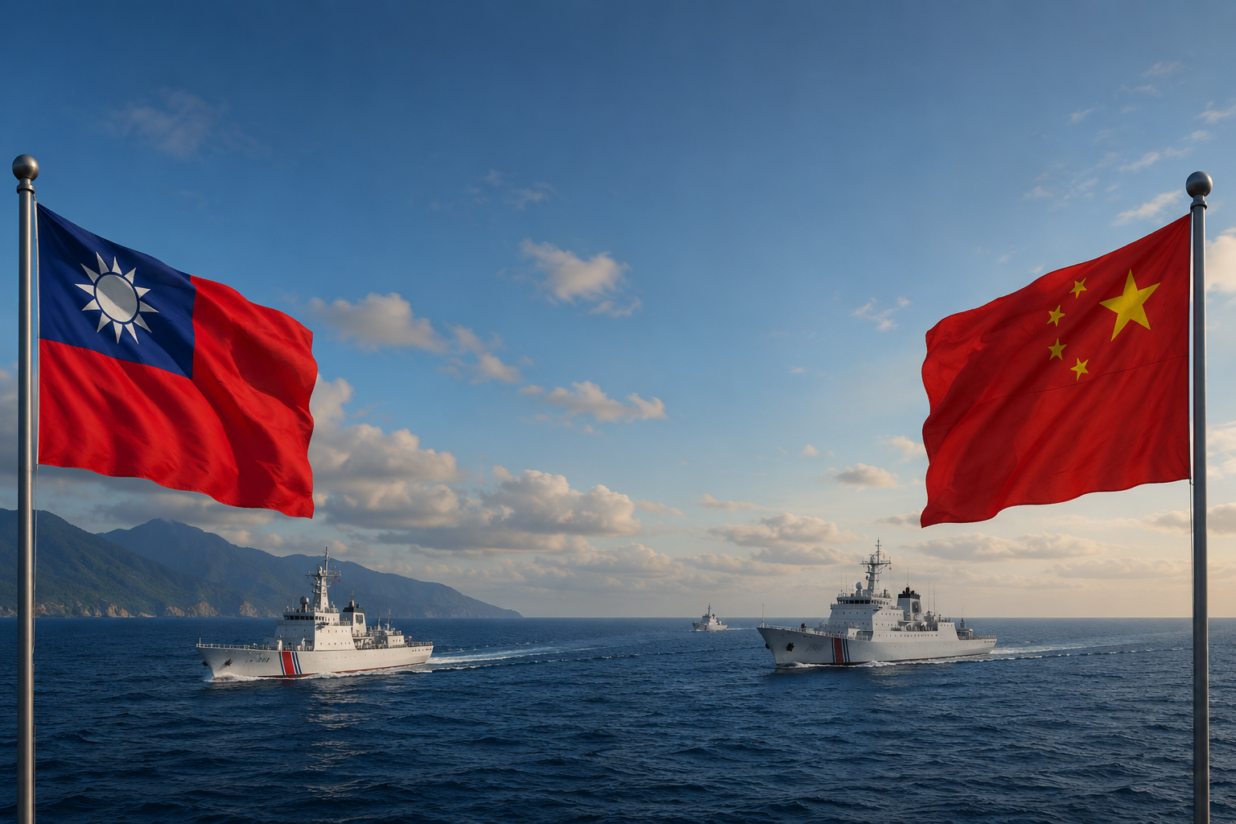

China Defence Spending : U.S. Defense Secretary Pete Hegseth has urged America’s Asian allies and partners to increase military spending, saying that China’s fast developing military capabilities are raising security worries throughout the Indo-Pacific. Speaking at the Shangri-La Dialogue security meeting in Singapore, Hegseth stated that countries must assume increasing responsibility for their own defense while cooperating closely with the US to maintain regional peace.
The biennial Shangri-La Dialogue brings together defense ministers, military leaders, diplomats, and security specialists from all around the world to debate important security concerns in Asia and beyond. This year’s gathering takes place during a period of increased geopolitical competitiveness, military modernization, and concerns about the Indo-Pacific’s future balance of power.
Hegseth viewed China’s military buildup as a phenomenon that should concern regional leaders. He contended that increased defense capabilities among US allies will help to maintain deterrence and prevent any single country from dominating the region. According to the Pentagon chief, the time when Washington carried a disproportionate amount of defense responsibility for rich partners is coming to an end.
The US official encouraged countries to raise their defense spending, citing growing military investments by Japan, South Korea, and the Philippines. He claimed that a more balanced approach to security will build partnerships and boost regional preparation against rising threats.
China Defence Spending Concerns Drive New Security Debate
In recent years, officials have focused heavily on China’s rising military capabilities. Beijing has boosted its naval might, modernized its military, and strengthened its strategic position in the Indo-Pacific. These developments have forced several nations to reconsider their security strategy and defense spending.
While expressing alarm over China’s military expansion, Hegseth emphasized that the United States does not seek conflict. Instead, he stated that Washington wishes to maintain a stable balance of power and will continue to engage with Beijing through military and diplomatic channels. Despite the fact that strategic competition remains fierce, recent conversation between the two countries has improved communication.
China’s Defence Minister did not attend this year’s conference; instead, Beijing sent a group from the People’s Liberation Army National Defence University. The move drew attention because senior Chinese defense officials have historically taken a prominent part at the event.
China Defence Spending Debate Highlights Regional Security Challenges
The debate over defense funding mirrors broader regional security concerns in Asia. Several countries are boosting military investments in response to new threats, technological competitiveness, and uncertainty about future regional tensions. New Zealand recently revealed intentions to gradually increase defense spending as part of a long-term drive to modernize its military.
Analysts believe the Pentagon chief’s comments will provoke controversy among allies. Some countries may embrace greater collaboration and burden-sharing, but others may confront domestic problems in increasing military budgets. Nonetheless, security analysts agree that defense planning will remain a critical concern as geopolitical competition heats up in the Indo-Pacific.
As regional leaders continue to meet in Singapore, the underlying question remains: how can countries balance economic connections with China while bolstering security partnerships with the United States? The outcomes of these arguments could have long-term implications for Asia’s security architecture.
- Join our whatsapp channel for daily updates.
- Follow tazatimesnews Telegram Channel for latest news alerts.
- Follow TazaTimesNews on TruthSocial for exclusive updates
- Also reads : 10 methods to manage high blood pressure without medication.