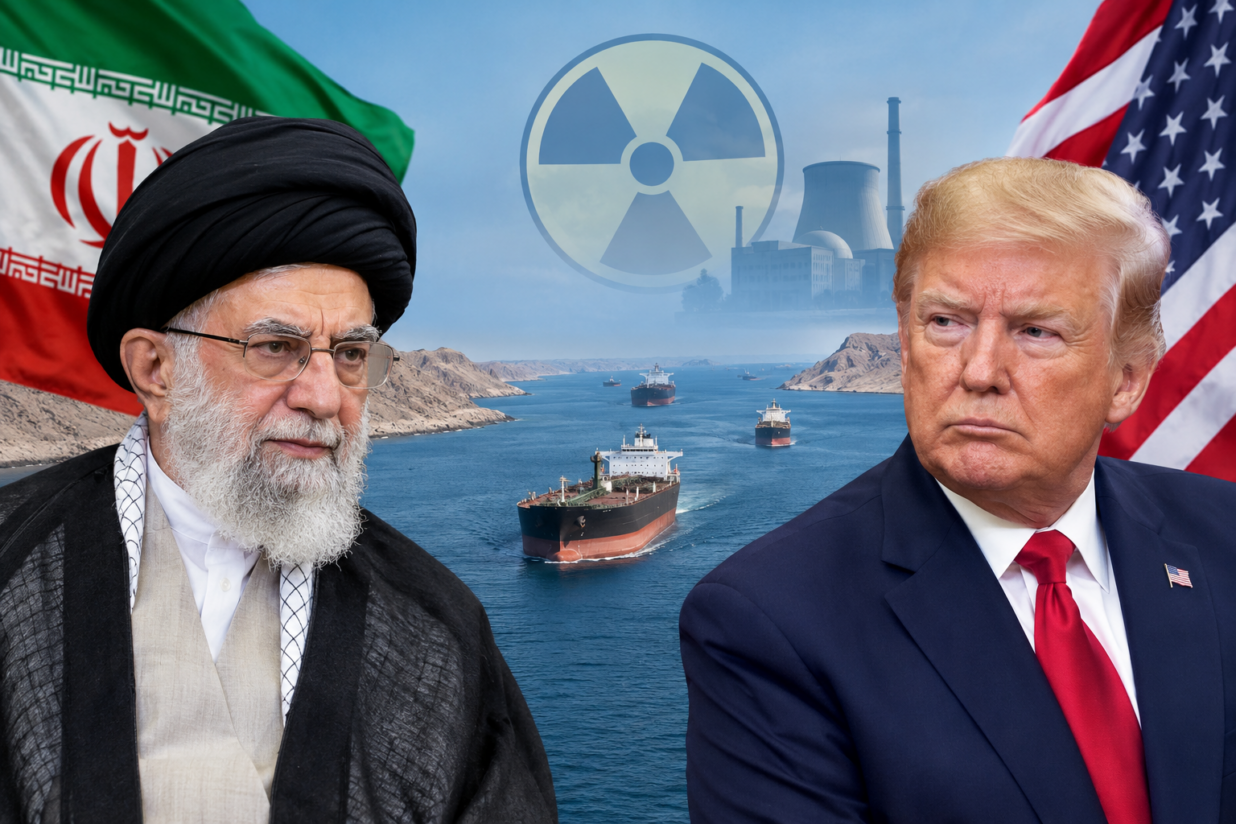

US Iran talks : U.S. negotiators are set to leave for Pakistan on Saturday, but Iran’s authorities have stated that they will not meet with the Americans to discuss ending the war, which has killed thousands and roiled world markets.
The White House said that President Donald Trump’s special envoy, Steve Witkoff, and son-in-law, Jared Kushner, will depart on Saturday morning for discussions with Iranian Foreign Minister Abbas Araqchi.
Defense Secretary Pete Hegseth told reporters that Iran had the opportunity to strike a “good deal” with the United States.
“Iran knows that they still have an open window to choose wisely,” he stated. “All they have to do is abandon a nuclear weapon in meaningful and verifiable ways.”
The United States’ latest diplomatic efforts to begin talks with Iran have encountered a major stumbling block. While American negotiators travel to Islamabad, Iran has made it clear that it would not participate in direct talks.
This change has caused confusion and strain in current peace efforts, particularly because both sides remain active in the region yet disagree on how talks should proceed.
US Iran talks in Islamabad face setback as Iran rejects direct meeting
According to recent reports, US envoys will fly to Pakistan in the aim of advancing negotiations. However, Iran has denied face-to-face meetings, insisting that any contact take place through Pakistani mediators.
Tehran officials say no direct encounter is planned, despite the fact that both sides will be in the same city. This has cast doubt on the effectiveness of the negotiations and the possibility of making significant progress.
Pakistan is once again playing an important role as a mediator. Earlier rounds of talks in Islamabad also failed to produce a final agreement, demonstrating how difficult the situation remains.
The current violence and tensions in the Middle East have made these discussions more urgent. The two countries continue to disagree on issues such as nuclear policy, sanctions, and regional security.
Despite the refusal to engage in direct dialogue, there is one little positive angle. Diplomatic channels remain open, however indirect. This signifies that neither party has totally ruled out talks.
However, detractors claim that without direct connection, growth may be slow or limited. Indirect discussions can result in delays, misunderstandings, and poor outcomes.
At the same time, the presence of US negotiators demonstrates Washington’s continued interest in finding a solution. The move also suggests that global forces are attempting to prevent further escalation in the region.
The coming days will be critical. If indirect talks result in an accord, tensions could be reduced. However, if no progress is made, the situation may become more volatile, influencing global politics and energy markets.
For the time being, the world is keeping a careful eye on diplomacy in Islamabad, even though the two important players are not speaking directly.
- Join our whatsapp channel for daily updates.
- Follow tazatimesnews Telegram Channel for latest news alerts.
- Follow TazaTimesNews on TruthSocial for exclusive updates
- Also reads : Netanyahu Confirms Steps Taken Toward Israel-Lebanon Peace Talks