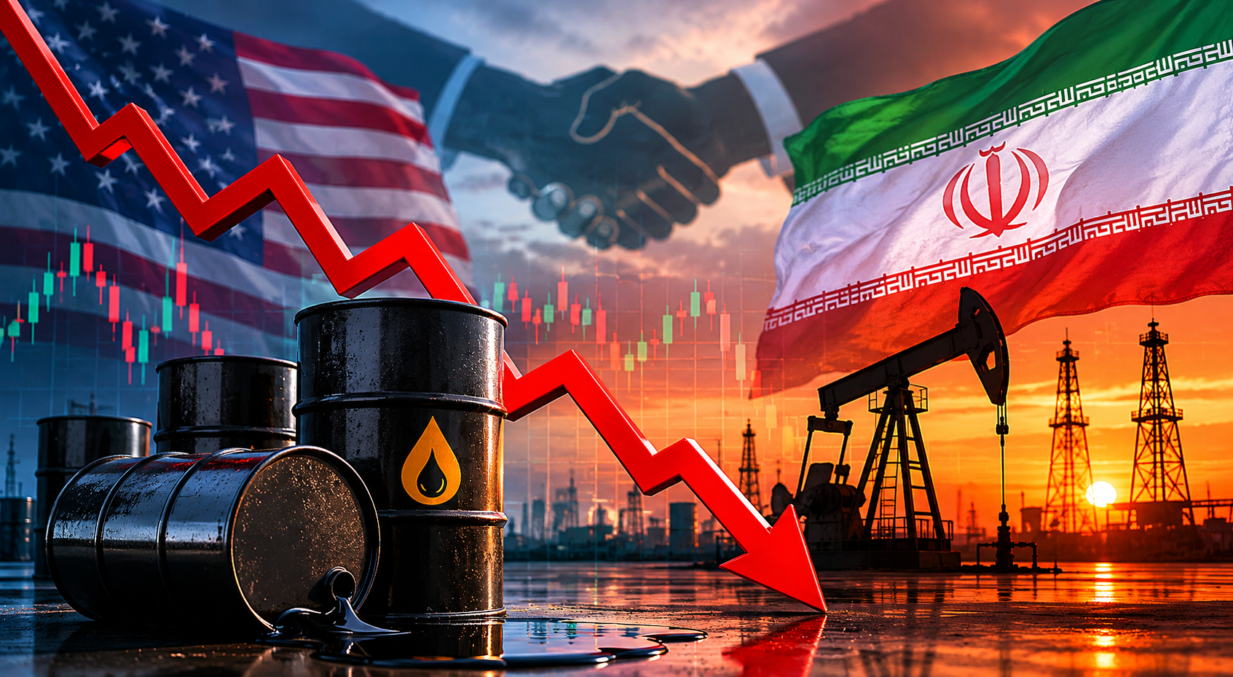
Global oil prices fell marginally on Friday after reports suggested that the United States and Iran could extend their temporary ceasefire arrangement. The development prompted optimism that tensions in the Middle East would ease and shipping traffic through the Strait of Hormuz would improve in the following weeks.
Brent crude futures for July, which expires on Friday, were down 35 cents, or 0.37%, at $93.36 per barrel at 0105 GMT. U.S. oil futures dropped by 63 cents (0.71%) to $88.27 per barrel.
Brent futures declined by 46 cents, or 0.50%, to $92.24.
Brent oil prices dropped by over 8% this week, reaching a low of $87.11 from a high of $109.47 the previous week.
Prices have been volatile in recent sessions, swinging by as much as $6 for both benchmarks due to conflicting signals over a possible end to the three-month Iran war and the re-opening of the Strait of Hormuz, a key transit route for roughly a fifth of the world’s oil and liquefied natural gas supplies.
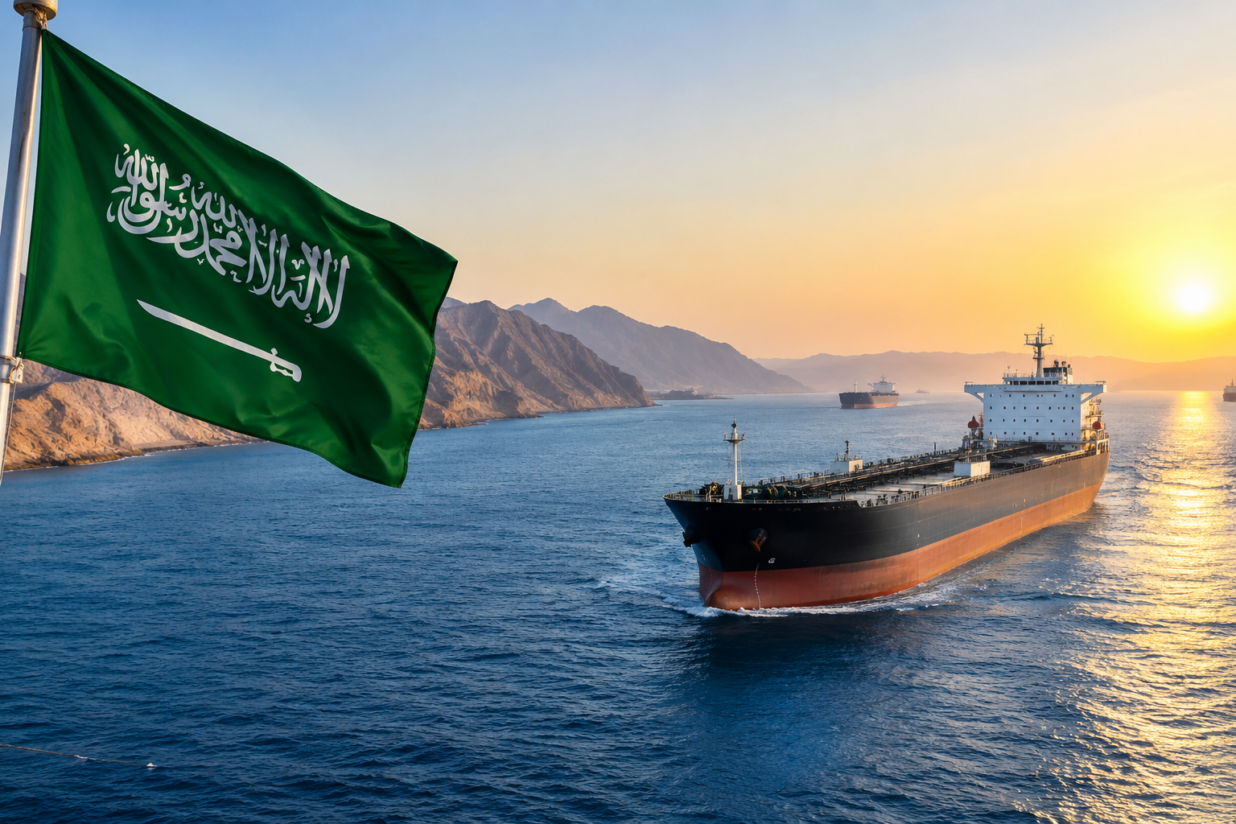
Traffic through the maritime chokepoint is still a small fraction of pre-war levels.
On Thursday, the US and Iran agreed to prolong their ceasefire and eliminate shipping restrictions through the strait, according to Reuters. However, U.S. President Donald Trump has yet to approve the agreement, and Iranian state media reported that it was not finished.
According to market sources, Washington and Tehran negotiators are discussing extending the ceasefire for much to 60 days. Investors anticipate that a good agreement will help stabilize oil supplies and alleviate concerns about a larger supply issue in the region.
US-Iran Ceasefire Deal Pushes Oil Prices Lower
The Strait of Hormuz is one of the world’s most vital energy corridors, transporting a large portion of global crude oil and liquefied natural gas exports. Earlier this year, military tensions and attacks in the region interrupted maritime activity and caused oil prices to rise substantially.
Traders are now reacting positively to diplomatic signs. According to reports, the potential accord might involve improved shipping access as well as conversations about sanctions removal. However, officials from both sides have yet to confirm a final agreement.
US Vice President JD Vance stated that progress had been made in negotiations, but numerous key problems remained unresolved. One of the most pressing issues is Iran’s nuclear enrichment program and the future of uranium stockpiles.
Analysts believe oil markets are currently balancing excitement and caution. While prospects for peace are helping to lower costs, traders are keeping a tight eye on the situation because a surprise breakdown in discussions could quickly drive prices back up.
Global Oil Market Faces Pressure Amid Iran Tensions
The ongoing dispute between the United States and Iran has produced significant uncertainty for global markets. Energy experts warn that ongoing instability in the Gulf region may have an impact on global inflation, transportation costs, and gasoline prices.
Brent crude prices surpassed $100 per barrel earlier this month as fears rose that the Strait of Hormuz might stay partially shut. The route is vital because it carries approximately one-fifth of global oil traffic every day.
Despite recent price declines, many predict the oil market will remain susceptible to Middle Eastern political concerns. Investors are also keeping an eye on new US penalties targeting Iranian oil exports, which may complicate future negotiations.
At the same time, US stock markets responded positively to reports of improved relations between Washington and Tehran. Major indexes hit new highs as investors anticipated lesser geopolitical concerns and more dependable energy supplies.
For the time being, the global energy market is in a state of anticipation. Any confirmation of a long-term agreement might provide additional relief to oil prices, while renewed tensions could cause another significant spike in petroleum markets.
- Join our whatsapp channel for daily updates.
- Follow tazatimesnews Telegram Channel for latest news alerts.
- Follow TazaTimesNews on TruthSocial for exclusive updates
- Also reads : UAE President Receives Diplomatic Call From Qatar Emir