Silicon Valley’s tight ties with US President Donald Trump may increase political pressure on key technology corporations. Following the midterm elections, Democratic lawmakers are prepared to interview major technology leaders about artificial intelligence (AI), data centers, and the industry’s influence.
Some Democrats have already demanded that business executives testify before Congress under oath. According to Greg Casar, chair of the Congressional Progressive Caucus, CEOs of artificial intelligence companies should be invited to testify. Senator Ed Markey also warned that technology companies may face a huge number of congressional subpoenas.
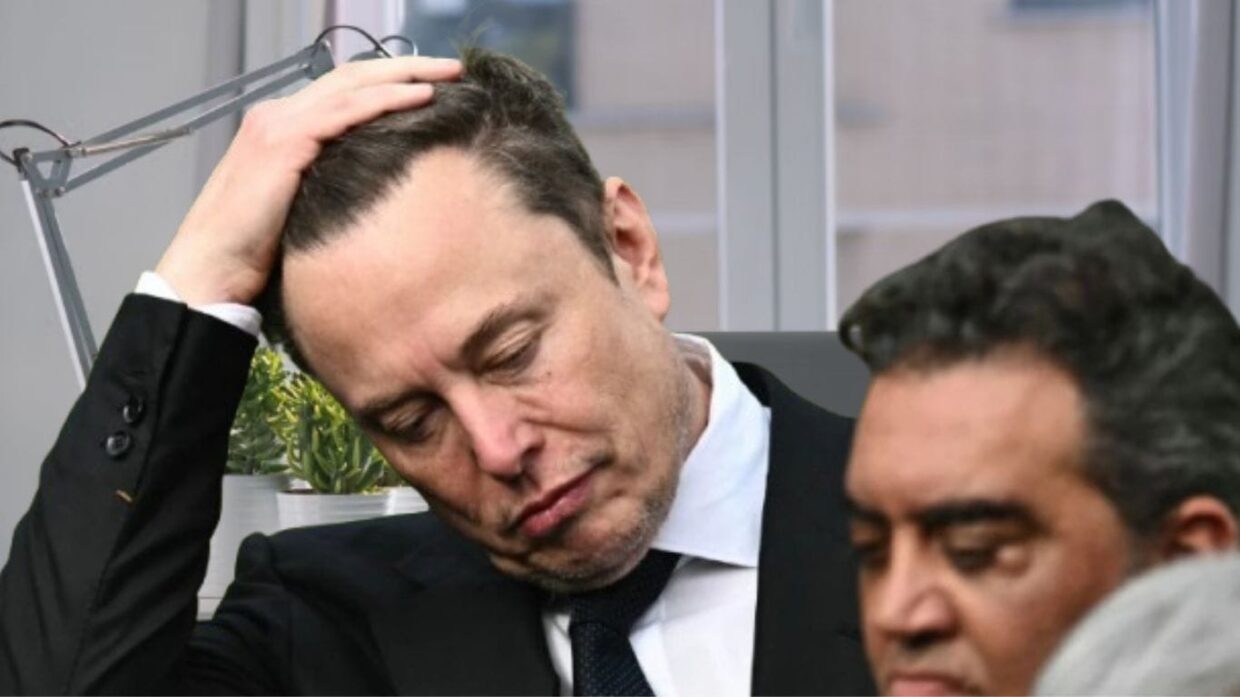
The change in political pressure comes after some prominent tech personalities endorsed Trump following his 2024 election victory. Elon Musk, Meta CEO Mark Zuckerberg, and Amazon founder Jeff Bezos were among the top corporate executives at Trump’s inauguration in January 2025.
Musk was particularly active in supporting Trump and other Republican candidates. Prior to running the Department of Government Efficiency, or DOGE, he spent more than $250 million supporting Trump’s presidential campaign. He also spent nearly half a billion dollars more helping Republicans in the midterm elections.
Silicon Valley CEOs Could Face Congressional Hearings
Democrats are expected to gain control of both chambers of Congress on January 3. Once that is accomplished, they will lead the committees and have the authority to compel testimony and internal company records. Executives who refuse to comply may face prosecution.
There is a precedent for such hearings. In 2020, Amazon, Apple, Facebook, and Google executives appeared before Congress to face issues about their businesses’ market strength.
This time, probable witnesses include Musk, OpenAI CEO Sam Altman, and Nvidia CEO Jensen Huang. Huang is also one of Trump’s closest advisers on artificial intelligence.
Abdul El-Sayed, a newly elected Michigan senator, has advocated for stronger action. He demands a full halt to the creation of the most powerful AI systems. He has also proposed a US-China deal to halt the development of superintelligence, which is AI that outperforms human intelligence.
It will be difficult to transform these demands into legislation. Democrats will need to reach an accord inside their own party, which is still divided over AI policy. They would also face the potential of a veto from President Trump, whose tenure ends in January 2029.
As of Thursday, Musk was the only major technology leader listed in the source to have spoken out on the election. He joked that data centers in space were starting to seem appealing.
Silicon Valley Faces Growing Public Pressure Over AI
The public’s anxiety about artificial intelligence appears to have swayed voters. According to an NBC News exit survey, 56% of respondents considered AI and data centers to be significant or major factors in their congressional voting decisions.
The concerns extend beyond the technology itself. Voters have also considered the potential consequences of AI on jobs and children, as well as the impact of massive data centers.
According to Daniel Cochrane, a senior fellow at the conservative Institute for Family Studies, citizens may support either political party if it takes action against major technological businesses. He also stated that concerns about AI’s societal and economic implications affected the outcome.
However, not everyone interprets the findings as a clear rejection of the technology industry. Adam Kovacevich, CEO of the Chamber of Progress, stated that resistance to Trump should not be seen as a broader anti-technology mandate.
Prior to the referendum, some businesses began to change their political stance. Between April and the end of September, a prominent pro-AI political fund led by OpenAI president Greg Brockman and venture capital company Andreessen Horowitz received no new donations. Meta, meantime, has hired former Democratic staff members to represent the firm in Congress, according to Axios.
Investors have also become aware of industry problems. Chamath Palihapitiya cautioned during an election-night webcast of the All-In podcast that harming the AI industry might harm the US economy. Market analyst Dan Ives, who has previously been optimistic about technology expansion, now predicts that 10% of the 800 to 1,000 data centers planned in the United States will not be completed.
As a result of the election, Silicon Valley is now under pressure from both sides of the political spectrum. With Democrats poised to head congressional panels, big technology corporations may face increased scrutiny over AI, data centers, and political influence.
- Join our whatsapp channel for daily updates.
- Follow tazatimesnews Telegram Channel for latest news alerts.
- Follow TazaTimesNews on TruthSocial for exclusive updates
- Also Read : WHO Adds Two Vaccine Candidates to DR Congo Ebola Trial