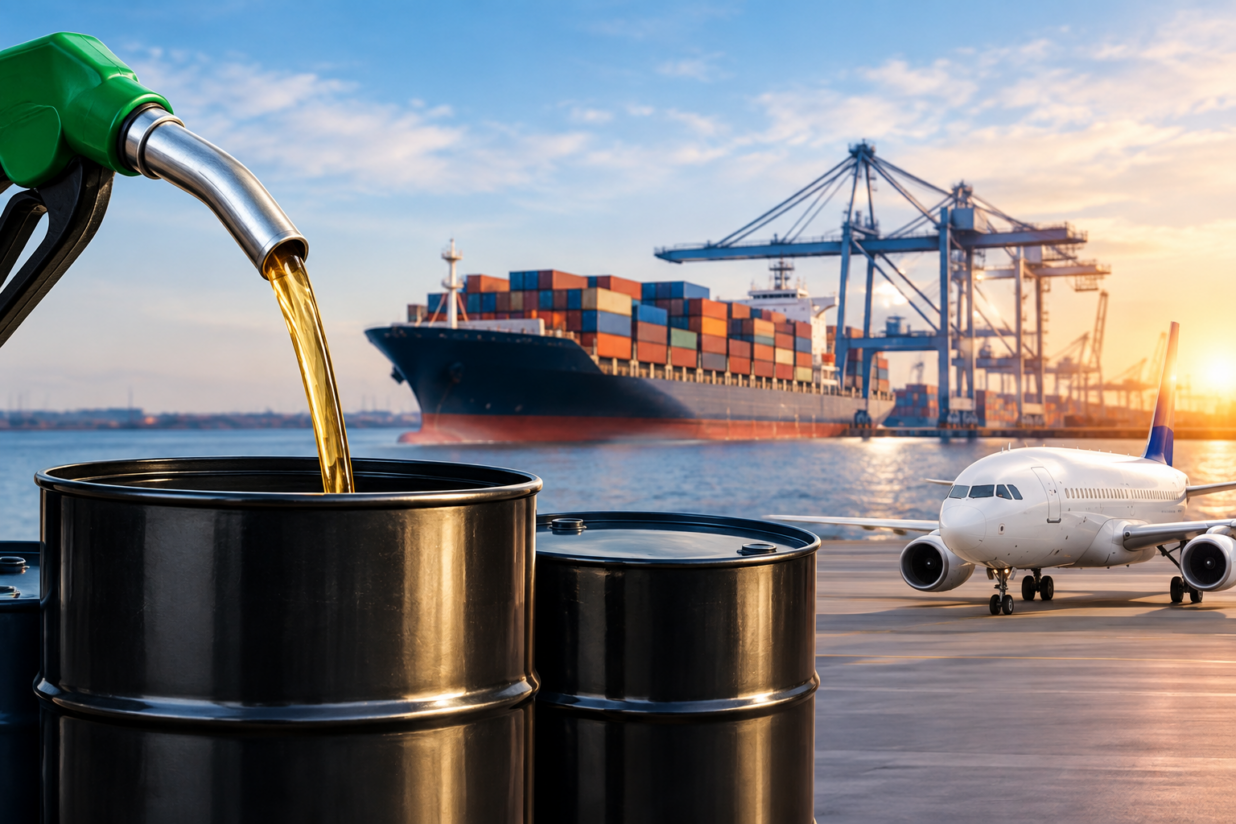
Diesel and ATF Export Duty Cut: The government has announced a diesel and ATF export duty decrease beginning October 1, lowering taxes on foreign exports of both fuels for the second consecutive fortnight. The Special Additional Excise Duty (SAED) on diesel exports has been decreased from Rs 20 to Rs 16 per litre, while the duty on aviation turbine fuel (ATF) has been cut from Rs 15 to Rs 10.50 per litre.
The new revision comes as global refining margins fall, relieving some pressure on Indian petroleum exporters. However, the government has maintained the export tariff on fuel at Rs 0.50 per litre.
The Finance Ministry issued notifications confirming the new rates, which became effective on October 1. The revisions replace obligations that had been in effect since September 16.
Diesel and ATF Export Duty Cut: New Rates Effective October 1
Diesel exports will now be taxed at Rs 16 per litre, a 20% drop from the previous rate. The tariff on aviation turbine fuel exports has been reduced by 30 percent, bringing it down to Rs 10.50 per litre.
Every two weeks, the government assesses the export tariffs on petroleum products. These revisions are designed to reflect changes in worldwide crude oil prices as well as refined petroleum product pricing.
The most recent cutbacks are due to falling refining margins in the worldwide market. Lower export tariffs might assist Indian refiners control expenses and increase profitability when exporting petroleum to overseas clients.
In contrast, fuel continues to be subject to an export tariff of Rs 0.50 per litre. The government has not disclosed any changes to this levy as part of the most recent review.
Why the Government Reduced Diesel and ATF Export Duties
The windfall tax mechanism was reinstated in March of this year, as tensions in West Asia rose. The measure was intended to keep gasoline supplies sufficient in the home market while deterring refiners from shipping bigger volumes of petroleum products overseas to take advantage of higher international pricing.
When global petroleum prices rise, refiners may find it more profitable to export their goods rather than sell them domestically. Export duties assist the government in managing this disparity and ensuring the supply of petroleum products within the country.
The new cutbacks came as foreign refining profits have dipped. Reducing export duties is likely to bring some comfort to enterprises that have struggled with the profitability of their foreign gasoline sales.
Major Indian fuel exporters, such as Reliance Industries and Oil & Natural Gas Corporation (ONGC), may gain from the reduced taxes. Lower export taxes may allow these enterprises to keep a bigger portion of their revenues from foreign sales, depending on market conditions.
Will the Export Duty Cut Affect Petrol and Diesel Prices?
The drop in export tariffs does not imply that petrol and diesel prices would instantly decline at gasoline stations throughout India. The Finance Ministry has stated that the current excise tax rates on fuel and diesel sold for domestic use would stay intact.
This implies that the new modification only applies to petroleum products exported from India. Fuel supplied to the domestic market will continue to be taxed using the current excise duty scheme.
As a consequence of the October 1 announcement, customers will see no immediate change in fuel or diesel prices at the pump. The new taxes are intended to improve the economics of gasoline exports while allowing the government to continue monitoring global energy market circumstances.
The administration is anticipated to revisit the export levies during its next weekly evaluation. Any subsequent modifications will be determined by global crude oil price movements, refined fuel pricing, and refining profits.
- Join our whatsapp channel for daily updates.
- Follow tazatimesnews Telegram Channel for latest news alerts.
- Follow TazaTimesNews on TruthSocial for exclusive updates
- Also read : Shafali Verma two world records: India star makes history against Pakistan