
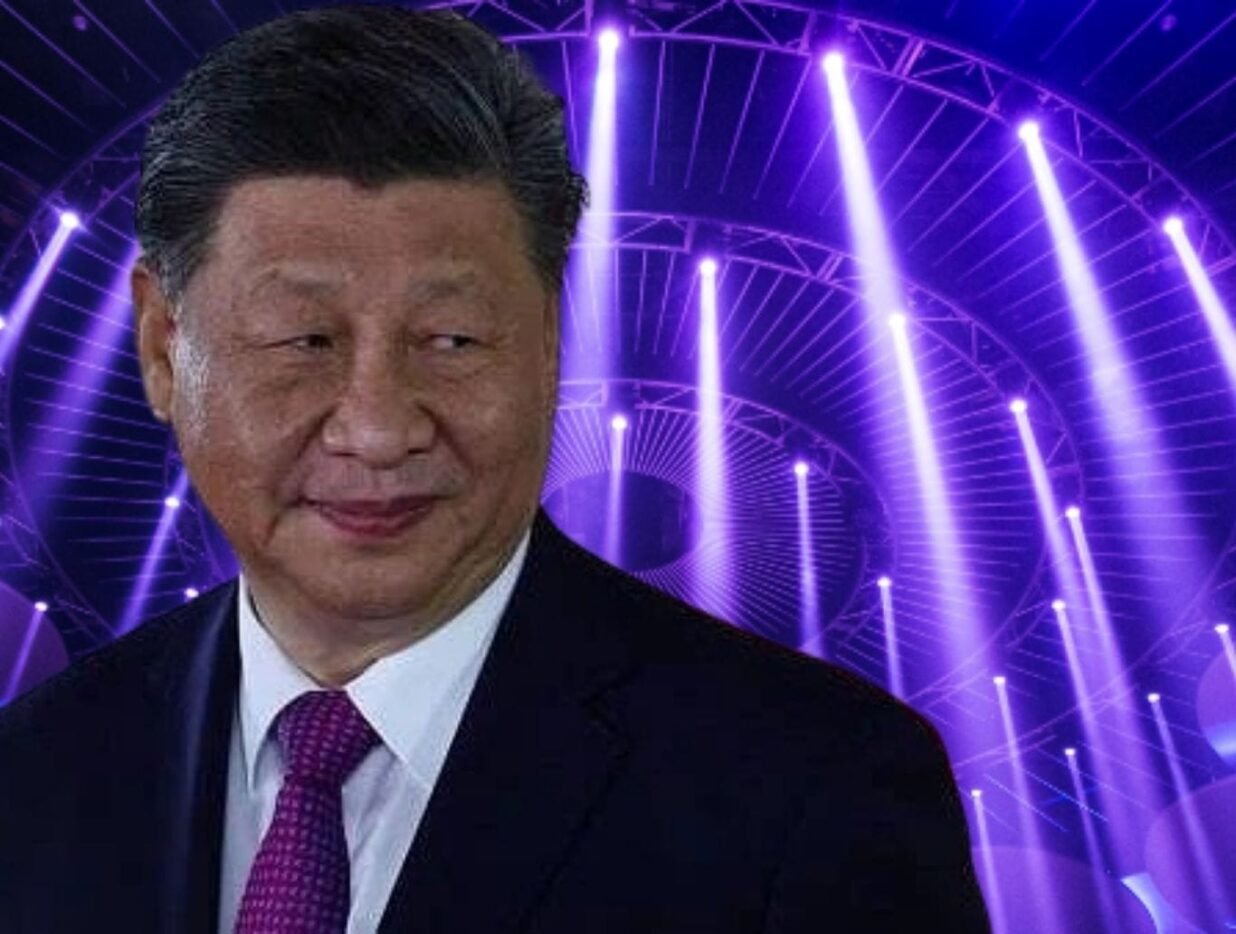
Xi Jinping AI Speech :During the opening ceremony of the 2026 World Artificial Intelligence Conference (WAIC) in Shanghai, Chinese President Xi Jinping advocated for a more inclusive and people-oriented approach to artificial intelligence (AI). His speech emphasized China’s commitment to making AI technology more accessible internationally, particularly to developing nations, while also boosting its role in global AI governance.
Speaking to government leaders, technology CEOs, researchers, and international delegates, Xi stated that AI should help everyone rather than become a technology dominated by a few states or huge enterprises. He highlighted that future technical advancements must encourage fairness, cooperation, and shared development around the globe.
His words come as competition for artificial intelligence heats up. China and the United States are investing billions of dollars in AI research and development, while governments around the world are attempting to create policies that foster innovation while protecting security and public confidence.
China Expands Global AI Cooperation Through Open Access
During his keynote presentation, Xi stated that China is ready to collaborate with international organizations and partners from Africa, Asia, Latin America, and the BRICS countries to boost AI education, technical training, and technology transfer. He cautioned that unequal access to advanced AI could result in “new historical injustices” between developed and underdeveloped nations.
The Chinese president advocated for a people-centered approach to AI development, claiming that technological advancements should improve daily life while also promoting economic growth and social progress. He also urged governments to improve collaboration on AI standards and governance rather than allowing technical divides to widen.
The World Artificial Intelligence Conference in Shanghai is one of China’s major yearly technological events, bringing together politicians, corporate leaders, scientists, and innovators from all over the globe. This year’s conference has gained global interest as artificial intelligence continues to reshape industries, economies, and public services.
Chinese leaders have increasingly portrayed their country as a proponent of open AI collaboration. Beijing believes that stronger international cooperation can help states build their digital infrastructure, improve key public services, and generate new economic opportunities through responsible AI deployment.
Xi Jinping AI Speech Reflects China’s Global Technology Ambitions
Xi’s remarks also reflected Beijing’s overall policy of expanding its influence in emerging technology. China has made significant investments in artificial intelligence research, sophisticated computing infrastructure, and local technology businesses, while fostering innovation in a variety of fields.
His comments come as Chinese AI firms continue to release increasingly advanced models, bridging the technology gap with major American corporations. Many industry observers believe that the competition between the world’s two largest economies will have a substantial impact on the future of AI development.
Despite China’s support for increased foreign access to AI technologies, disagreements exist about how artificial intelligence should be governed. Many Western governments have stressed security, transparency, and export regulations, whereas Beijing believes that increased international cooperation will keep AI accessible to developing countries.
Cross-border cooperation is predicted to grow in importance as governments implement artificial intelligence in healthcare, education, industry, finance, transportation, and public administration.
Xi’s speech emphasizes China’s desire to play a leading role in defining the future of artificial intelligence. While geopolitical rivalries and varied regulatory approaches continue to pose obstacles, Beijing’s address emphasized the importance of greater international engagement in ensuring that AI helps governments and people worldwide.
- Join our whatsapp channel for daily updates.
- Follow tazatimesnews Telegram Channel for latest news alerts.
- Follow TazaTimesNews on TruthSocial for exclusive updates
- Also reads : Goldman Sachs Says Japan Leads Asia’s Buyout Opportunities as Private Equity Activity Grows