
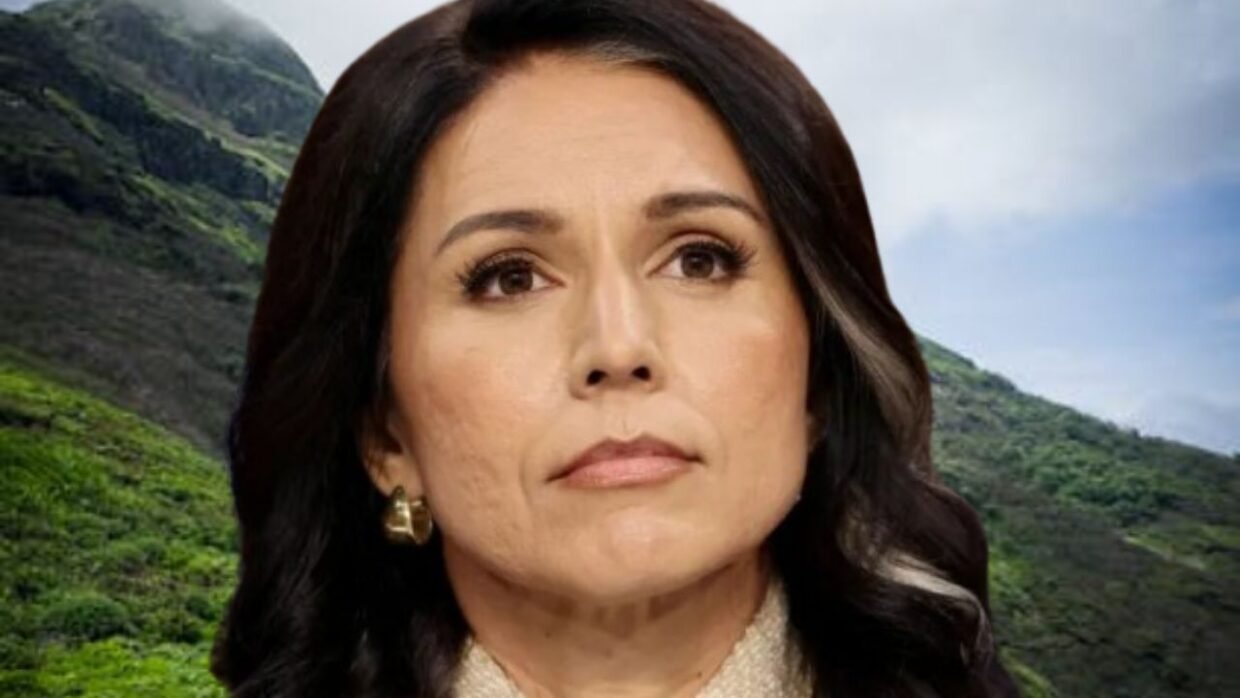
US Director of National Intelligence Tulsi Gabbard has announced her resignation from President Donald Trump’s cabinet, causing yet another big shake-up inside the White House. The resignation will go into effect on June 30, according to numerous US media reports and announcements issued on Friday.
Gabbard stated that she decided to quit the position after her husband, Abraham Williams, was diagnosed with a rare type of bone cancer. In a public message posted online, she stated that she was unable to continue doing the demanding national security duty while also supporting her family during a severe health fight.
The resignation comes at a critical time for the Trump administration, which has already lost several prominent officials in recent months. Although Gabbard publicly cited personal reasons, sources from persons acquainted with the situation indicated that there had been disagreements between her office and the White House over foreign policy issues, particularly Iran and intelligence assessments.
“Tulsi Gabbard Resignation” Creates Fresh Debate Inside Washington
The “Tulsi Gabbard Resignation” has swiftly become one of the most debated political occurrences in Washington. Gabbard has been Director of National Intelligence since February 2025, after being nominated by President Trump and confirmed by the Senate. Her military background and independent political image helped her become one of the most visible members of Trump’s national security team.
Gabbard frequently faced criticism from both Democrats and Republicans during her tenure in government. Critics questioned her previous remarks on Russia, her meeting with former Syrian President Bashar al-Assad, and her views on US foreign adventures. Her supporters, on the other hand, praised her for defying conventional wisdom on foreign policy and advocating for intelligence reform.
The Office of the Director of National Intelligence manages 18 US intelligence agencies and advises the president on global threats and national security problems. Following Gabbard’s departure, Principal Deputy Director Aaron Lukas is slated to serve as acting intelligence chief until a permanent replacement is found.
“Tulsi Gabbard Resignation” May Impact Trump’s Security Strategy
Political observers believe the “Tulsi Gabbard Resignation” may have an impact on Trump’s intelligence and foreign policy planning during a time of rising international tensions. Her resignation also raises concerns about internal splits within the administration, particularly over Iran and global security operations.
Some senators have already urged the next intelligence leader to be politically neutral and focus on rebuilding trust within US intelligence organizations. Others feel Gabbard’s resignation marks the end of a contentious but significant chapter in Trump’s national security politics.
Despite the political controversies surrounding her term, Gabbard thanked Trump and intelligence officials for the opportunity to serve her country. Her resignation has added another layer of uncertainty to an administration that is already under increasing political and diplomatic pressure ahead of the next election cycle.