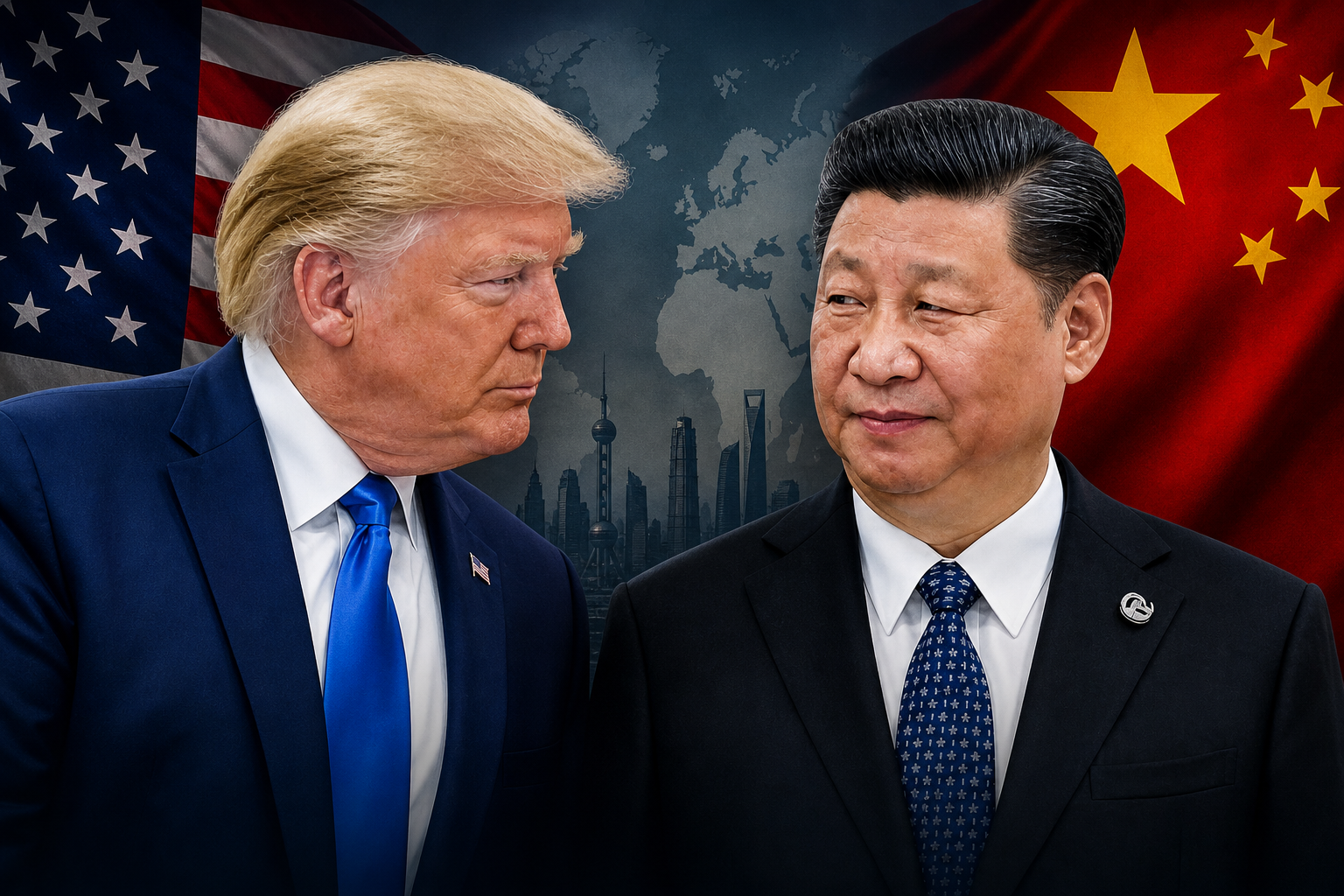
Trump China Visit : The timing of Donald Trump’s upcoming China visit is no longer just a diplomatic routine—it has discreetly become a pressure point influencing how Washington handles the Iran situation. What looks to be a bilateral meeting is actually a high-stakes balancing act that involves energy security, military restraint, and global power dynamics.
Why the Trump China Visit Matters for Iran Strategy
The scheduled travel to Beijing comes as relations with Iran remain high. The US is debating whether to increase pressure or secure a negotiated outcome. But here’s the twist: decisions on Iran are now being affected by how they would effect discussions with China.
This matters because China is not an unbiased observer. It is a major user of Middle Eastern oil and has close business relations with Iran. Any forceful US move, particularly military, may undermine Washington’s capacity to engage Beijing on trade, security, and regional stability.
Simply said, the Iran problem is no longer limited to Iran. It is about how the United States manages its relationship with China simultaneously.
Energy Shock: Strait of Hormuz Adds Urgency
The Strait of Hormuz, a narrow but important conduit through which a major portion of the world’s oil flows, is central to the situation. Current constraints in this region have already affected supply chains.
For China, this represents a direct economic danger. For the US, it presents a dilemma: impose maximum pressure on Iran or avoid causing global oil markets to collapse ahead of critical diplomatic discussions.
This energy angle is what elevates a localized war to a global concern. Rising oil prices, disrupted shipping, and supply chain uncertainty could have far-reaching consequences for economies, including India.
Behind Closed Doors: Quiet Negotiations with Iran
Despite the public outcry, indications show that backchannel conversations are taking place. Trump has intimated that only a few insiders are aware of the true state of these negotiations.
This concealment reflects a more fundamental issue: confusion about Iran’s internal leadership and decision-making structure. Without strong negotiation authority on the Iranian side, any agreement becomes more difficult to reach.
Still, Washington feels economic pressure is effective. Sanctions and restrictions are straining Iran’s economy, increasing the likelihood that Tehran will eventually accept a deal.
Military vs Diplomacy: A Delicate Line
Surprisingly, the United States looks apprehensive about mounting new large-scale military action. While options are being considered, there is no obvious call for quick escalation.
This constraint is not accidental. A military strike before China’s visit could:
- Damage diplomatic credibility
- Trigger oil price spikes
- Push China closer to Iran
So, the current approach leans toward controlled pressure rather than outright conflict.
Legal Battle at Home: War Powers Clash
While global tensions escalate, a parallel war is developing within the United States. The War Powers Resolution, which limits how long a president can take military action without congressional approval, is at the focus of the dispute.
The administration claims that the present truce halts this legal clock. Critics disagree, saying that this approach may overstate presidential power.
This legal uncertainty raises another level of risk. If the deadline is strictly enforced, the United States may be forced to withdraw or seek clearance, both of which might have an impact on negotiations with Iran.
What Happens Next: Future Implications
The coming weeks could shape multiple global outcomes:
- If talks with Iran succeed: Oil markets may stabilize, and tensions could ease
- If talks fail: Military options may return to the table
- If China steps in diplomatically: A new power dynamic could emerge in global conflict resolution
More importantly, this situation represents a shift in the way current wars are managed. Military force alone is no longer sufficient; economic links, energy lines, and diplomatic timing all play an equal role.
The Bigger Picture
This is more than just one visit or conflict. It underscores a wider reality: global politics is now intricately linked. A meeting in Beijing can impact choices in Tehran, affecting oil prices in Mumbai.
And that’s why this narrative is important: it demonstrates how a single diplomatic move can affect the geopolitical picture well beyond its immediate aim.
- Join our whatsapp channel for daily updates.
- Follow tazatimesnews Telegram Channel for latest news alerts.
- Follow TazaTimesNews on TruthSocial for exclusive updates
- Also reads : Lost Emirates ID UAE Panic or Easy Fix? UAE Guide Shows Fast Recovery Steps for Residents